
The First Shine Happens Long Before the Shelf
A dawn warehouse hum. Pallets stacked like pastry trays. I step onto a production floor at a clear lip gloss tube factory, and the air smells faintly of warm resin and citrus cleaner. The clear lip gloss tube seems simple at first glance, but the tiniest scuff steals the sparkle. In one audit, we saw returns spike 18% when wiping tension drifted by a millimeter—tiny, but it ruins glide and gloss. Now picture a tester bar, bright as a deli case, and imagine a shopper turning a tube under the lights; any haze shows up like a fingerprint on glass (and you can’t plate that away). So, what separates a real partner from a passable vendor when the goal is a clean, clean shine?
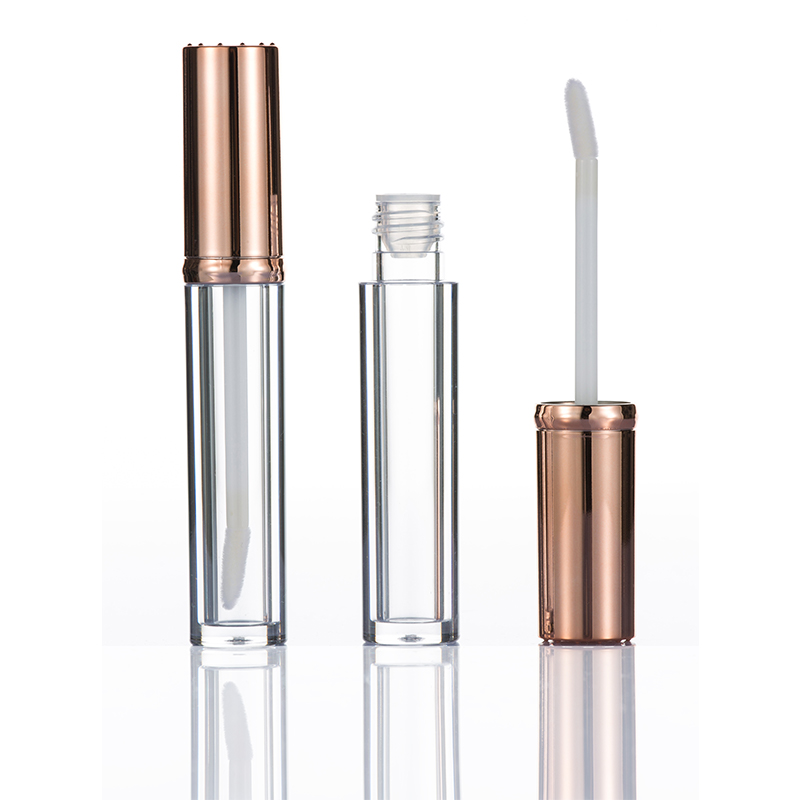
I’m a believer in sensory checks first—clarity, mouthfeel at the wiper, a soft “click” as torque sets—but numbers count. Injection molding stability, wiper fit tolerance, and leak rate under squeeze are the quiet heroes. Data tells you when to stop guessing. The question is simple: how do you pick a line that protects your formula and your finish? Let’s step behind the curtain and compare how choices upstream decide what your customer sees down the aisle—funny how that works, right?

Inside the Factory: Where Small Drifts Make Big Messes
Why do tubes haze or leak?
Here’s the blunt truth. Most defects start before the tube meets your formula. PETG and PMMA look crystal, but heat windows are narrow. If a hot runner runs 10°C high, polymer chains shear and haze shows up later, not on day one. Tooling wear changes the mold cavity finish, and surface micro-scratches scatter light—your “clear” goes cloudy. The wiper? If the lip geometry isn’t centered, the doe-foot picks up extra load, then streaks at the first swipe. Add a cap torque that drifts outside spec and seals weep at altitude. These are not mysteries; they’re process controls. Think SPC charts, clear acceptance windows, and fast feedback loops. Look, it’s simpler than you think—if the factory measures what matters and fixes it in shift, not next week.
Testing closes the loop. A proper torque test checks both open and reseal force; a simple ASTM-type leak test catches micro-gaps at the thread pitch. Vision inspection flags micro-bubbles before they leave the line. And don’t forget material discipline: virgin resin ratios, controlled regrind, and clean color hoppers. Packaging loves routine. When the plant runs like a bakery—same recipe, same oven temperature—clarity stays stable. When it doesn’t, the tube tells on them later, on your shelf. That’s the pain point buyers rarely see until reviews turn sour: small, boring drifts that erode your glossy story.
What’s Next: Smarter Lines, Clearer Results
Real-world Impact
Comparing tomorrow’s line to yesterday’s is not hype; it’s a new control scheme. The next wave uses inline vision with polarized lighting to read surface haze in real time, plus torque sensors that feed a closed-loop capper. When a servo sees over-torque trends, it auto-corrects on the next index—no meeting required. Some lines add micro-texture metrology to the mold cavity, adjusting polish before clarity drops. Others bond a thin anti-scuff coating via UV cure, protecting the barrel in transit without milky overspray. This is how leading clear lip gloss tube manufacturers are cutting rejects while keeping that glassy look. Different strokes, same idea: measure, adjust, and verify. And yes, sensors can be wrong—so you still need operator taste and a light booth. Both/and, not either/or.
We also see simpler wins: traceable batches, QR-linked torque data, and a clean handoff from filling to capping so solvent bloom doesn’t fog the wall. Compare plants on control, not slogans. One line shows Cpk on torque and wiper pull; another shows photos. Take the one with numbers. We’ve learned the quiet culprits: heat drift, rough cavities, sloppy wipers. The antidote is clear—tight process windows, smart checks, fast fixes. To choose well, focus on three metrics: clarity stability (delta haze across 30 days, measured under standard light); seal integrity (leak rate under squeeze and thermal cycle, plus cap torque Cpk ≥ 1.33); and process discipline (SPC cadence with corrective actions logged within the same shift). Do that, and your finish stays crisp—and the unboxing feels like fresh glass, every time. For reference and deeper specs, consult partners like NAVI Packaging.