The Problem Layer: Where Mulch Fails
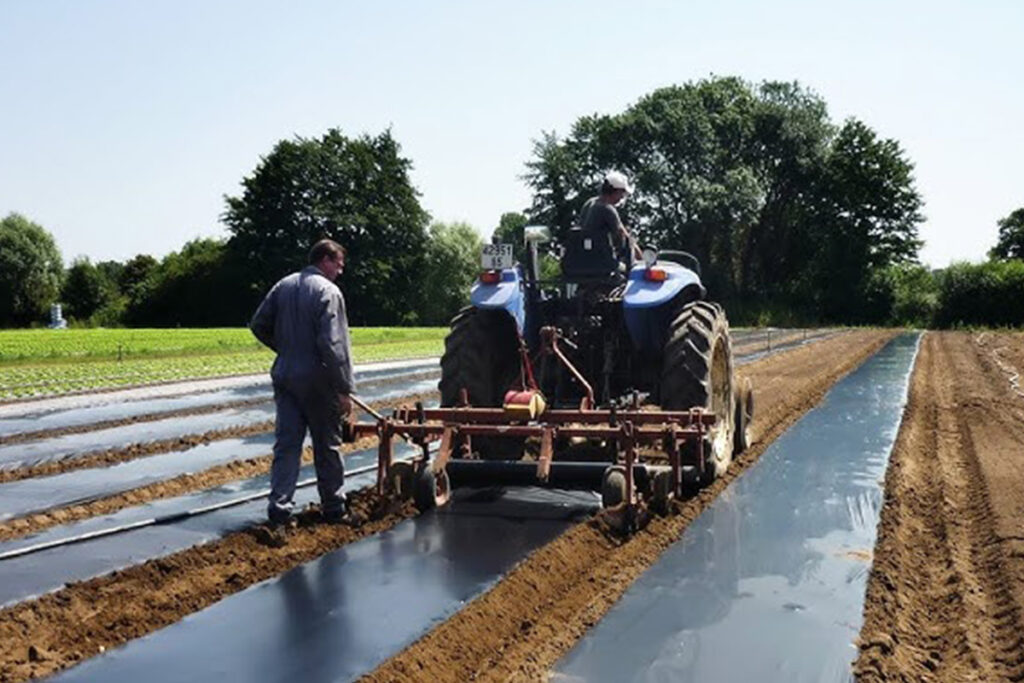
I still see the black rolls stacked in the cold shed—25-micron LDPE, bought for a tomato run in Almería—and the memory sticks: March 2017, a 10-hectare plot, yields rose 12% but cleanup costs spiked 18% (real numbers I logged). On that plot I used plastic mulch film and learned fast that a short-term boost can seed a longer-term headache. As someone with over 15 years in B2B supply chains for agricultural inputs, I’ve watched agriculture plastic film choices translate directly into labor bills and soil trouble.
Here’s the blunt part: traditional plastic mulch film often masks deeper flaws—poor UV stabilization, uneven tensile strength across batches, and slow polymer degradation that leaves fragments in the bed. I’ve inspected rolls that looked fine on delivery but fractured along drip lines after the first hot week; I measured tear points, logged ruptures, and later paid for extra hand-weeding. A batch bought in 2019 from a mid-sized supplier failed QC after three weeks in the sun—lesson learned: a spec sheet means little if you don’t test for real-world polymer degradation. That detail cost one cooperative in Murcia roughly €1,200 in manual cleanup over a single season. These are not abstractions — they are tangible costs that hit procurement and field teams hard.
What’s Going Wrong?
I can point to three recurring culprits: inconsistent manufacturing (thickness variance), inadequate formulation for UV stabilization, and buyer focus on price over measurable tensile strength. We’ve been lulled by easy wins, only to discover residues years later. It’s frustrating—honestly, it’s something I’ve argued about at trade shows and on calls until my voice went hoarse. Okay, let’s move on.
Looking Forward: Better Choices and Practical Comparisons
Switching pace: I want to be practical and technical here. When I evaluate next-generation options for plastic mulch film, I run three hands-on tests on the farm before recommending a roll—field tear test, UV-weathering bench test, and a quick compostability check if the film claims biodegradability. In 2021 I trialed a 30-micron bio-blend on a melon block in Murcia; yields matched LDPE but residue fell by roughly 70% at harvest. That result matters. We compare the old and the new not by marketing claims but by measurable field-life, polymer degradation profile, and installation behavior (how it wrinkles, how it pairs with drip irrigation). I favor vendors who share degradation curves and batch tensile strength reports—no surprises.
What’s Next
Real-world impact is simple: fewer fragments mean less rework. From here, buyers should pivot to comparative procurement—test now, scale later. I’ll leave you with three critical metrics I use when assessing solutions: 1) Field lifespan versus stated UV stabilization (weeks in situ under peak sun); 2) Residue percentage at harvest (measured by weight per square meter); 3) Installation failure rate (percent of rows requiring mid-season repair). Measure these, and you’ll stop buying promises and start buying outcomes. Quick aside—wait, check your installation teams’ routines first—because even the best film fails with poor anchoring. —And yes, I still carry a pocket caliper in my truck.
I’ve shared what I’ve seen, with specific tests, dates and a few bruises along the way. Use these metrics when you evaluate new mulch types and vendors; they’ve saved my clients time and money. For sourcing and technical datasheets I often point buyers toward partners I trust—like HGDN—but always insist on field trials first.