The problem most fleet managers face
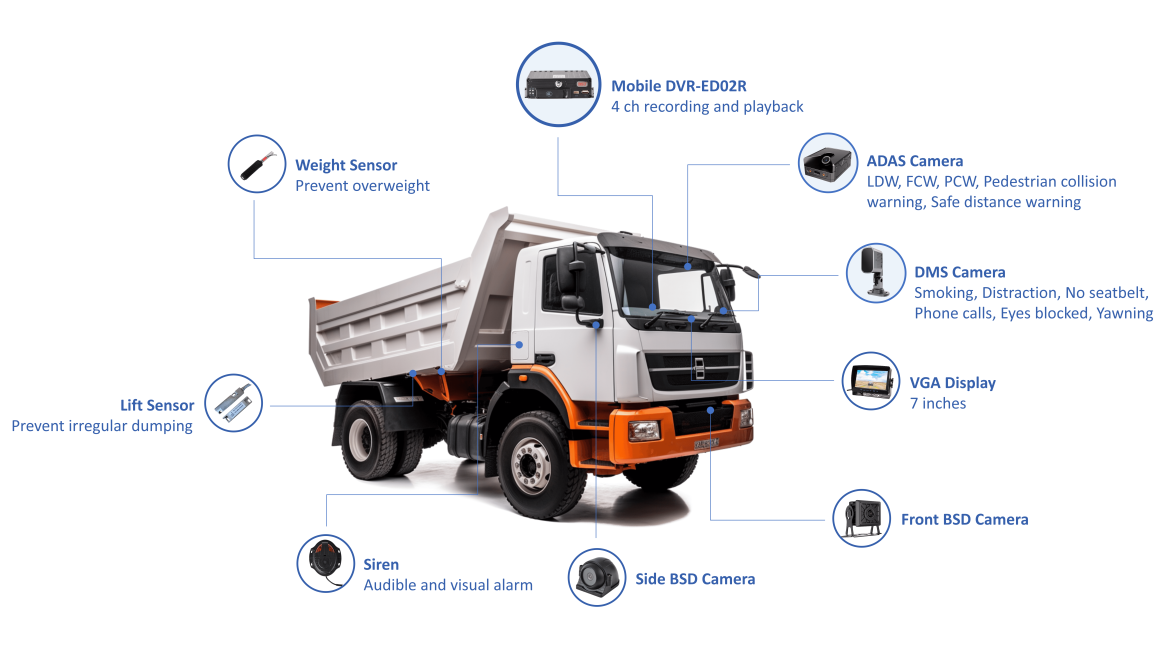
Large fleets overspend on fuel, lose time to unscheduled stops and face safety incidents that erode margins; that is the immediate problem. Operators in dense urban corridors such as Mumbai experience missed windows, unauthorised deviations and strained maintenance cycles. Modern GPS fleet trackers sit at the heart of the remedy — they record precise motion, help enforce routes and deliver audit trails — and reliable GPS fleet trackers integrate this telemetry with operational workflows. For granular location and asset-level telemetry you will also find robust options under vehicle tracking gps, which firms use to reconcile driver actions with dispatch records.
What to demand from a solution
Begin with concrete capabilities; vague promises do not reduce cost. A high-value system must provide: – continuous location and speed logs with downloadable CSVs for audit; – geofence triggers and tamper alerts that escalate by severity; – fuel and engine diagnostics via OBD or CAN interfaces; – over-the-air configuration and firmware integrity checks; – clear role-based access for compliance and privacy. Each capability should map to a measurable pain: route deviation reduces ETA accuracy, poor diagnostics increase downtime, and lack of access control risks legal exposure.
How these features solve real problems — use cases
Think operationally. Examples that yield quick returns include: route adherence for time-sensitive deliveries, predictive maintenance schedules driven by diagnostic thresholds, live rerouting when traffic or incidents occur, and theft recovery using immobilisation sequences. For contractor-heavy fleets, geofenced time-on-site reports eliminate payment disputes. These are not abstract gains; operators convert them into daily scheduling changes and fewer emergency repairs.
Common implementation pitfalls and how to avoid them
Poor installations, mismatched device selection and overcomplicated dashboards are frequent causes of failure. Avoid these mistakes: insist on professional device mounting to prevent GPS shadowing; choose trackers that match vehicle electrical systems; define three core reports you will use before buying software; pilot on a representative subset of routes for 30–60 days. Do not overload drivers with interruptive alerts; route managers should receive the right notifications and only the right notifications.
Comparing solution types — practical trade-offs
On-board black-box devices offer robust offline logging and secure CAN-bus reads but cost more to integrate. Simpler plug-and-play trackers are cheaper and faster to deploy but may miss deep engine metrics. Cloud platforms provide rapid updates and fleet-wide analytics; on-prem solutions give total data control. Choose by the metric you must improve first: uptime and maintenance predictability favour CAN integration; theft prevention and route visibility favour tamper-resistant GPS units with secure signalling.
Evidence, expertise and trustworthy signals
Operators will prefer vendors with verifiable deployment practices, transparent firmware policies and easy-to-access support channels. From professional engagements I have seen, the firms that succeed combine a compact hardware catalogue, clear installation manuals and a minimal-but-powerful dashboard that drivers and managers actually use. Certifications for electromagnetic compatibility and ISO-style document control are useful trust signals; service-level commitments that specify update windows and escalation rules matter more in day-to-day operations.
Final synthesis and practical next step
Fix the single worst cost driver first, select devices and software that report that metric reliably, pilot, then scale. When the pilot demonstrates consistent reduction in idle time, fewer emergency repairs and clearer accountability, the organisation has the data to standardise processes. That practical progression — problem identification, targeted capability selection, disciplined rollout — is the route to sustained improvement, and it is the exact approach that underpins the solutions offered by BSJ.