Hit the Pain: Why burners are the weak link
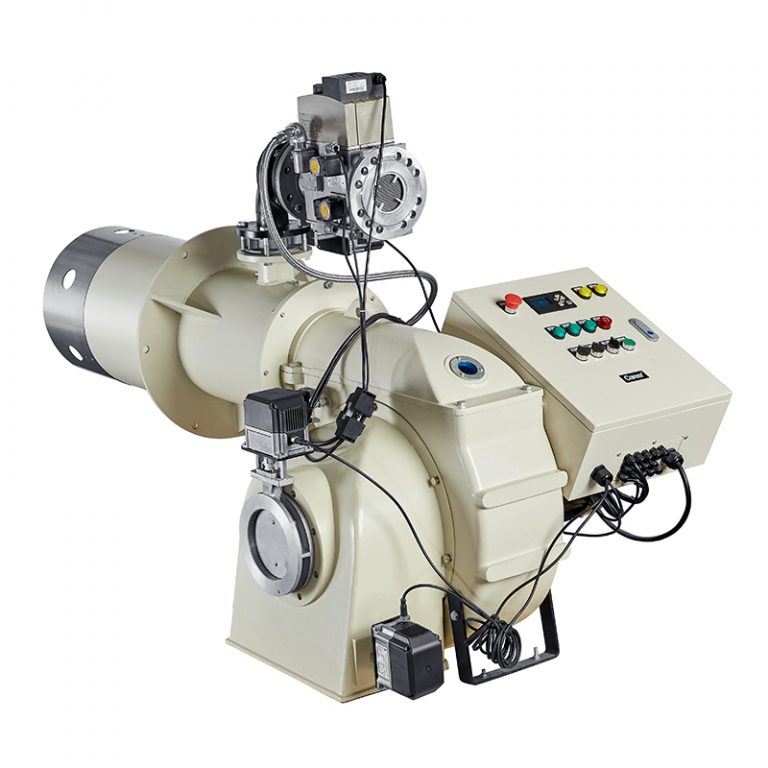
You want consistent heat, low emissions, and no surprise shutdowns. Too often, a mismatched or poorly tuned burner trips alarms, ruins product quality, or forces costly downtime — that’s where a low NOx burner can stop problems before they start. Think of it like training: skip fundamentals and you’ll feel it in performance. Fix the fundamentals and you lock in repeatable results.
Root Causes: What actually wrecks performance
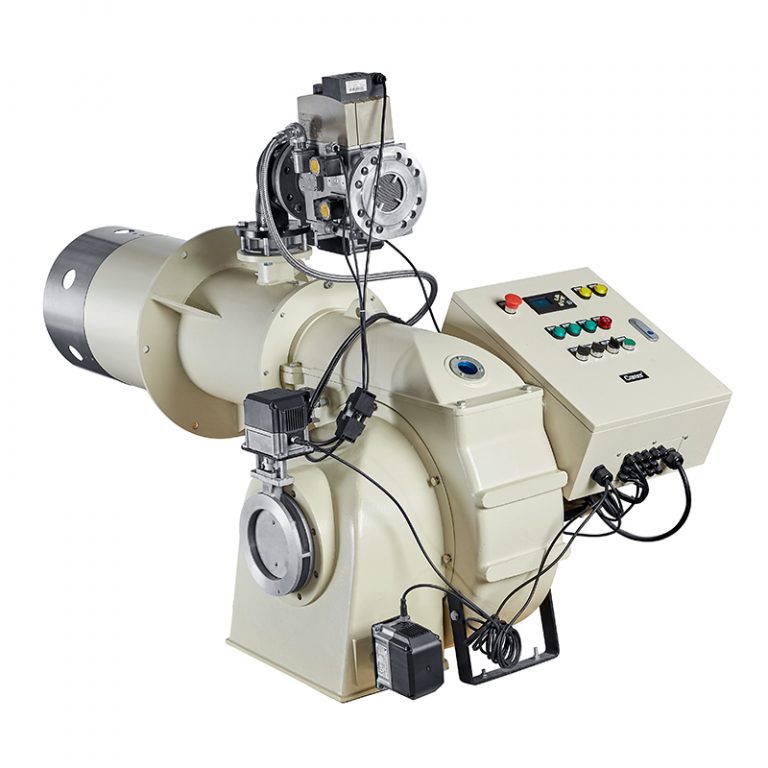
Poor sizing. Bad combustion control. Dirty nozzles. Fuel swings. Controls that don’t talk to the rest of the system. Those are the usual suspects. They create hot spots, uneven heat profiles, and spikes in NOx and CO. Don’t guess. Measure flow, pressure, flame shape, and flue temperature. Small measurement wins avoid big failures.
Real-World Anchor: Regulation that changed choices
When regions with strict emissions rules — for example, California’s tightened industrial NOx limits — pushed operators to cut emissions, many facilities switched to an upgraded NOx burner to meet permit limits without sacrificing throughput. Field teams learned fast: choosing the right combustion hardware matters more than one-off fixes.
Solutions That Work: A practical, no-fluff checklist
Start with correct sizing. Match burner capacity to real process demand, not nameplate wishlists. Use staged firing or modulation to avoid throttling. Add O2 trim control to stabilize combustion. Consider flue gas recirculation or modern low-NOx designs when limits are tight. For ultra-low targets, SCR is effective but expensive — weigh capital versus recurring compliance costs. Test, tune, document. Repeat.
Common mistakes to avoid
Don’t overfire to “fix” slow cycles. Don’t run with faulty sensors. Don’t ignore fuel quality changes. Skipping regular combustion tuning wastes fuel and increases emissions. Relying on one-off vendor startups without a maintenance plan creates future outages. Train your crew to inspect flame patterns and record trends — that’s how problems get caught early.

Maintenance habits that keep systems in peak condition
Set a recurring tune-up cadence tied to runtime hours, not calendar dates. Clean burners and nozzles on schedule. Verify sensor calibration quarterly. Log flue temps and emissions to see drift. Replace worn seals and gaskets before they leak. Simple preventive steps cut emergency repairs and keep product quality steady.
Pick partners and parts that perform under pressure
Choose manufacturers with documented field service and clear spare-parts support. Demand combustion tuning documentation and training during startup. Validate vendor claims with site references. At scale, these practical choices align uptime, emissions, and quality — the sort of operational practice teams at Career Burners emphasize when advising facility upgrades.