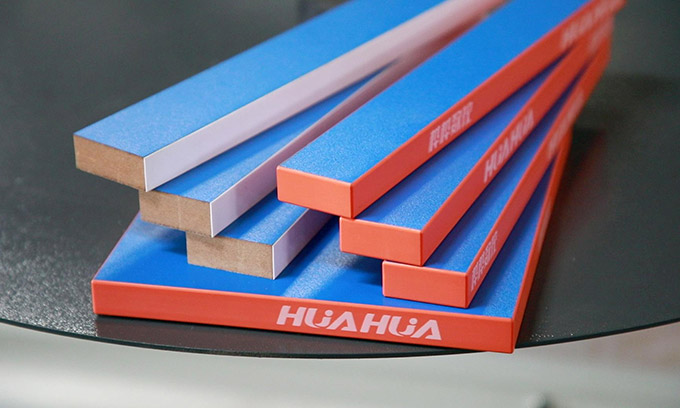
Starting with the problem
I wandered through three small shops this week and heard the same complaint: demand’s up, but output and consistency aren’t. Parts pile up, handwork slows delivery, and setup eats time. One owner solved part of that by pairing a CNC router with a servo edge banding machine, and the change was obvious—less rework, tighter tolerances, fewer late nights. The question becomes practical: how do you move from scattered fixes to a repeatable, scalable production flow without breaking the shop?
Diagnose the bottlenecks first
Look for choke points: cutting accuracy, edge finishing, glue time, and part handling. Don’t guess—measure a week of throughput. Two common findings: wasted cycle time on manual edging and inconsistent glue application. Those are the spots where targeted automation actually moves the needle.
Match CNC capabilities to real shop tasks
Not every CNC needs to be a giant production mill. Start with machines that eliminate manual repetition: batch nesting for CNC routers, automated tool libraries for repeat parts, and reliable feeders for edgebanding. A small routing cell plus an efficient edgebander takes routine finishing off the bench and into flow, freeing skilled hands for finishing touches and quality checks.
What I learned from a trade show floor
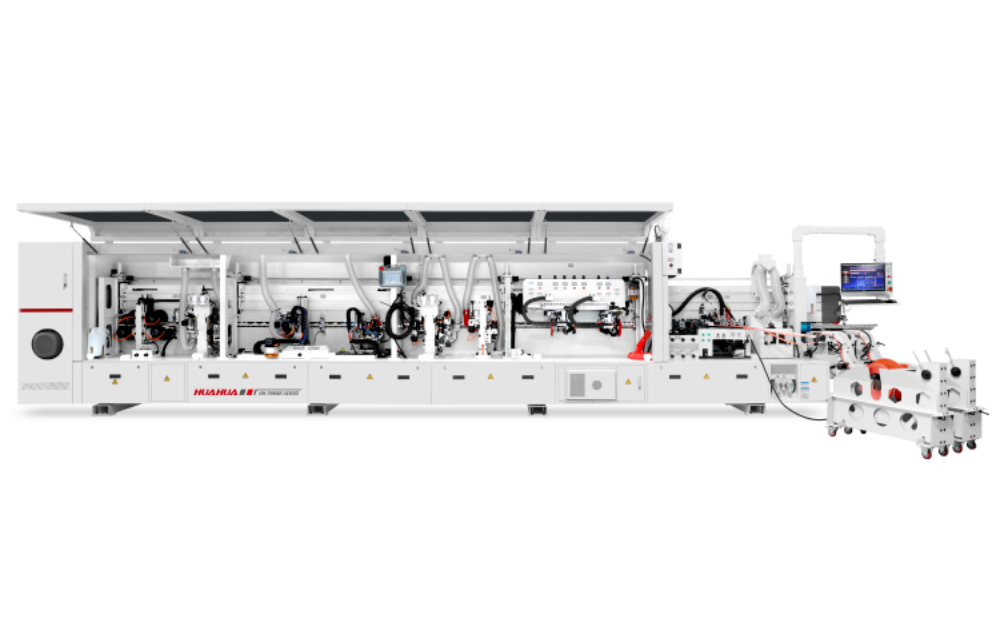
I first encountered a pre glued edgebander at IWF Atlanta, watching an operator feed panels while the machine handled glue, trimming, and buffing with steady speed. That moment clarified something simple: consistent glue application and automated trimming cut downstream defects dramatically. Trade shows like IWF give a practical view—how a machine behaves under repetitive runs, not just specs on paper.
Common pitfalls and how to avoid them
Too many shops buy for peak demand. Don’t. Size machines to steady-state volume, then add scalable work cells. Avoid underestimating fixturing time—poor fixtures cancel CNC gains. Train one operator deeply rather than three superficially; deeper knowledge prevents stop-gap fixes that become permanent problems. Finally, match tooling and adhesive choices to material: wrong glue or wrong cutter means rework, no matter the machine quality.
Alternatives and practical trade-offs
If budget’s tight, prioritize automation that reduces touch time on high-variance steps. A basic nesting-capable CNC can solve cutting waste. A midsize edgebander reduces sanding and manual trimming. Full line integration—linking router, edgebander, and stacker—delivers the highest throughput but demands process discipline. Evaluate return on labor hours saved, not just machine hours run.
Bringing it together for steady scaling
Start with measured problems, add machines that remove the worst bottlenecks, train operators to own processes, and keep fixtures and tooling disciplined. When you put those elements in place, production grows predictably. For shops that want coherent, practical solutions rather than scattered gadgets, consider manufacturers with proven line solutions like HUAHUA CNC as a resource for matching machines to real shop needs—no hype, just equipment that helps you produce more, consistently.