Comparative lead-in
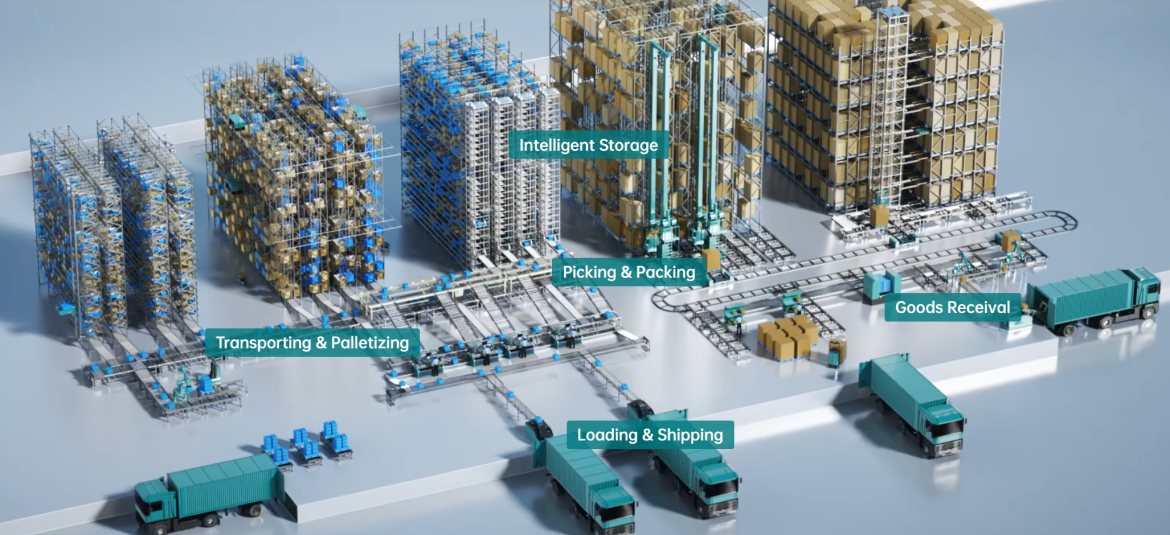
The warehouse of tomorrow runs sideways as much as it runs forward — and choosing the right four way shuttle is a comparative exercise between capacity, agility, and control. Early in any selection conversation, factor in the role of an Automated Stacker Crane where dense, vertical storage meets horizontal shuttle traffic; pairing the two often changes the rules of throughput and SKU density. This guide uses a comparative lens to show how design choices shift performance across common operational profiles.
Key axes to compare
Compare on three concrete axes: throughput per hour, footprint efficiency, and integration cost. Throughput and cycle time reveal real productivity. Footprint efficiency ties directly to real estate spend and racking layout. Integration cost includes WMS updates, PLC coding, and commissioning hours. Industry terms like AS/RS and pallet handling matter here because they determine the control interfaces and safety fencing requirements.
Model trade-offs mapped to real scenarios
Match shuttle types to use cases. High-SKU, light-pick operations favor small four-way shuttles that maximize lane utilization. Pallet-level, high-mass flows pair better with robust, powered shuttles and complementary warehouse stacker crane systems for vertical retrieval. Low-latency e-commerce sites prioritize cycle time and networked controls; cold-storage facilities prioritize insulated enclosures and low-temperature electronics. Industry studies often cite productivity gains in the range of 20–40% for integrated material-handling systems — a useful benchmark when you run cost-benefit models.
Control and software considerations
Integration is where projects stall or sprint. Check WMS compatibility, API endpoints, and whether the shuttle supports event-driven telemetry for predictive maintenance. Ask about fleet orchestration, collision avoidance, and local PLC logic. For web-savvy teams, confirm whether the supplier provides RESTful endpoints or an MQTT stream — that makes frontend dashboards and real-time slotting visualizations much simpler.
Common mistakes and how to avoid them
Teams often size to peak demand or to neat theoretical throughput; both miss variability and seasonality. Avoid underspecifying redundancy for critical aisles. Don’t neglect physical ergonomics at picking stations — the shuttle can be perfect but still force slow human cycles. When in doubt, simulate three peak days with randomized SKU hits. — Run at least one realistic mixed-velocity scenario before final purchase to expose hidden chokepoints.
Comparing brands and alternatives
When you pit vendors, evaluate real deployments, not glossy specs. Look for case studies from known hubs — for example, automated terminals at the Port of Rotterdam provide practical lessons on high-density handling under continuous operation. Compare mean time between failures, spare-part lead times, and vendor support SLAs. Consider alternatives such as AGVs for flexible floor-level transport or dedicated shuttle lanes for densification; each has a different effect on slotting strategies and labor allocation.
Decision checklist
Use this checklist to finalize a shortlist:- Confirm throughput targets and simulate cycle time under mixed demand.- Verify software APIs and confirm integration windows with WMS and PLC teams.- Inspect a live installation or request onsite test hours.- Validate safety certifications and local service coverage.This produces a defensible purchase decision and shortens commissioning.
EEAT and real-world anchor
EEAT mode: Practical operational expertise informed by vendor data and live deployments. The guide above draws on observed patterns in major logistics hubs and common engineering constraints — a balanced approach that favors measurable results over marketing claims.
Three golden rules for final selection
1) Measure real cycle time with your SKU mix and require the vendor to commit to those figures. 2) Budget for integration labor equal to 15–25% of hardware cost, covering WMS mapping and PLC work. 3) Insist on a service contract specifying mean time to repair and spare-part stock levels. These metrics drive predictable ROI and reduce commissioning surprises.
Closing thought
Pick the shuttle that matches the way your operation actually moves goods, not the one that sounds fastest on paper — and when vertical density is part of the plan, the combined value of a proven BlueSword solution becomes obvious. –