Curious comparison that starts with a slide
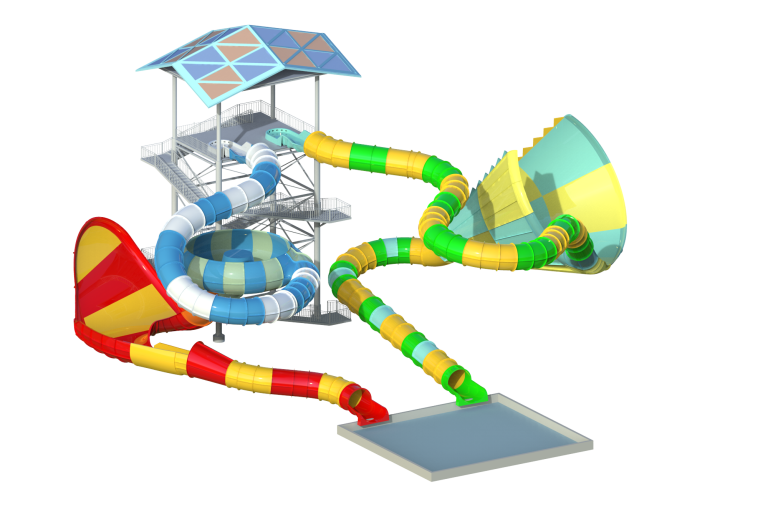
I’m often drawn to side-by-side tests that reveal trade-offs, and this one begins with a familiar centerpiece: the rainbow water slide standing beside a cluster of more conventional fixtures. When operators evaluate water park playground equipment they think in three practical metrics — durability, downtime, and lifetime cost — and those metrics decide which material makes sense where. My aim here is to compare measurable performance and expected lifespan, keeping the language plain and the findings actionable.
Key performance metrics that actually matter
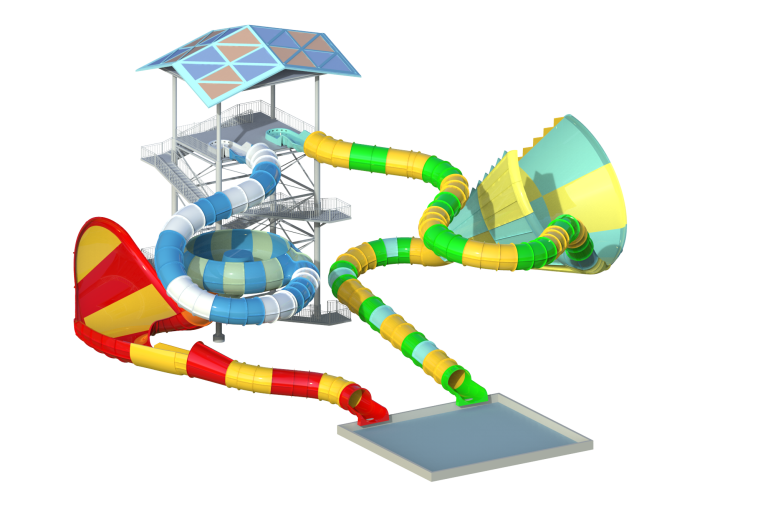
Start with tensile strength and UV resistance, then add surface finish (gelcoat), joint integrity (corrosion-resistant hardware), and the realistic maintenance interval. Premium fiberglass — often sold as FRP with thicker structural laminate and a higher-spec gelcoat — typically shows better resistance to fading and cracking under heavy sun exposure. Standard molded plastics or thinner laminates can perform well short-term but tend to show stress lines and surface wear sooner. For operations, that translates into fewer repairs for premium parts and fewer closed lanes during peak hours.
Comparative insight: measurable differences
Measured across multiple parks and vendor specs, premium fiberglass assemblies commonly list service life estimates in the 15–25 year range when maintained on a routine schedule; standard alternatives frequently list 8–12 years before significant refit. That gap matters because lifecycle cost isn’t just purchase price — it’s installation, maintenance, and lost revenue when attractions are offline. Load-bearing design, sealant longevity, and the quality of fasteners all add up to real dollars over a decade.
Real-world anchor: what industry events and parks show
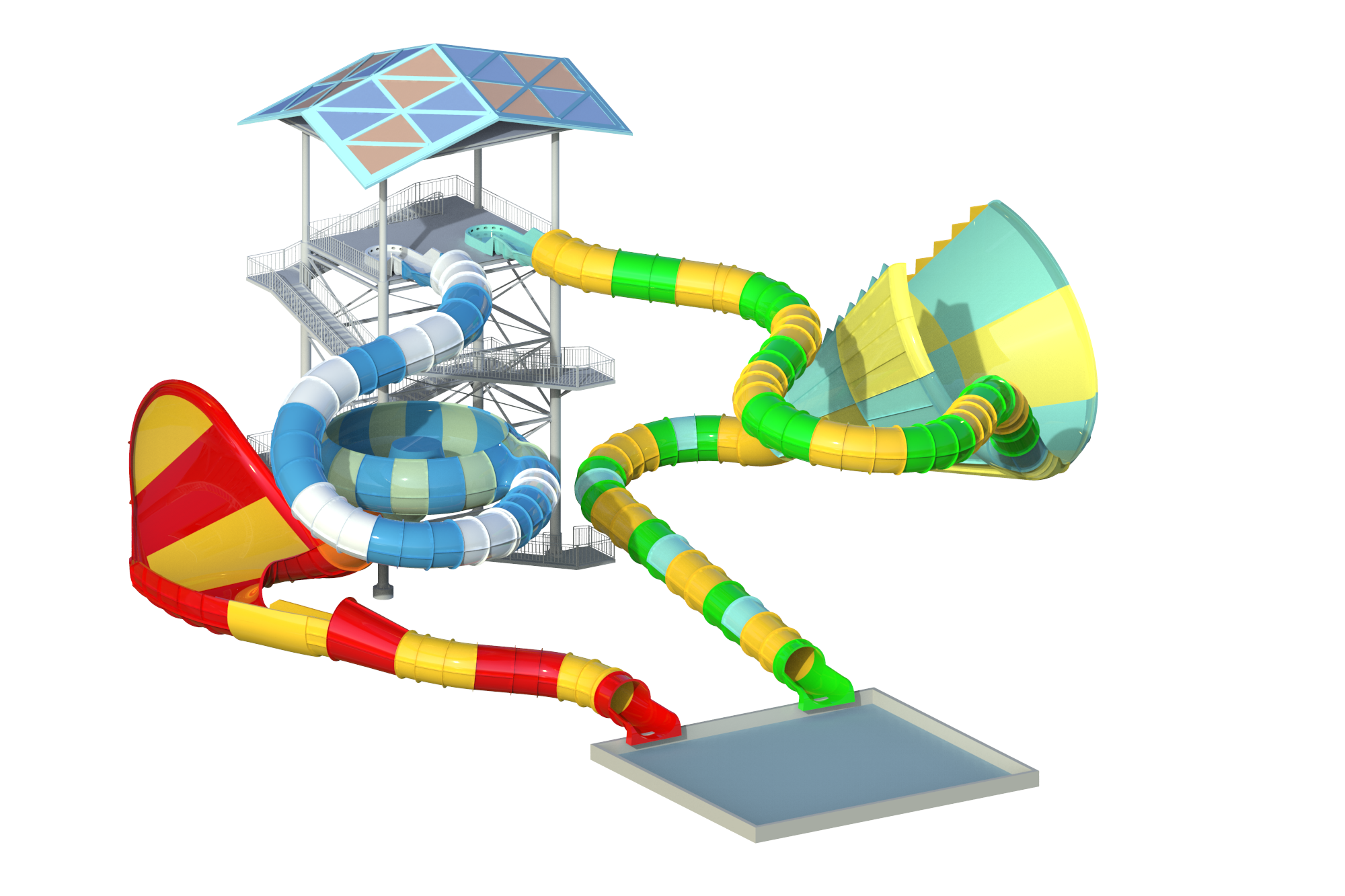
At IAAPA expos and manufacturer workshops, professionals repeatedly highlight how gelcoat formulation and UV-stabilized resins affect long-term appearance and micro-crack development. Many municipal operators who attended recent IAAPA sessions report choosing premium fiberglass for high-traffic installations after seeing comparative wear demonstrations. Those field conversations reinforce vendor specs with practical experience from parks that handle thousands of daily users.
Maintenance realities and common mistakes
Operators often under-budget for routine inspections and then overpay later for emergency repairs. The usual error is treating all slide systems the same — assuming the same cleaning and sealant schedule applies to both premium and standard units. Premium fiberglass benefits from scheduled polishing and UV-top coats; standard materials demand more frequent checks for stress fractures and adhesion loss. — Not planning seasonal checks for swimmers and lifeguards to report early signs is costly.
Alternatives and when to choose each
If budget forces a choice, match the material to the use-case. High-throughput family areas and signature attractions favor premium fiberglass because the reduced downtime and better surface durability preserve guest experience. Smaller splash pads or low-use installations can be cost-effective with standard systems but require a stricter maintenance plan. Consider modular designs that let you upgrade high-wear runs later without a full system replacement.
Procurement checklist: what to demand from vendors
Insist on explicit outputs: expected service life under local climate conditions, recommended maintenance interval in months, and replacement-part lead times. Ask for documentation on gelcoat thickness, UV stabilization tests, and the type of structural laminate used. Require a clear warranty scope tied to specified maintenance actions; vague promises of “long life” aren’t useful in a procurement file.
Advisory: three golden rules for selecting equipment
1) Prioritize lifecycle cost over upfront price — calculate expected downtime and repair spend over a 15-year horizon. 2) Specify material performance metrics in contracts: gelcoat thickness, UV resistance ratings, and maintenance intervals expressed in months. 3) Match material to traffic: reserve premium fiberglass for flagship attractions and choose modular, replaceable components where wear will concentrate. These three rules bring clarity to vendor proposals and make total cost predictable.
Operational clarity, measured metrics, and straightforward vendor requirements point to a practical outcome: better uptime and lower surprise costs. Dalang has built product choices around those same priorities, offering designs that anticipate maintenance cycles and protect guest experience — and they do it with an eye on real-world performance at scale. Dalang. —