A Small-Town Stop, A Big Choice
I rolled into a quiet diner at dusk, boots dusty, hands warm from the bars. The chalkboard out front could have said the same for bikes: vintage cruiser on one line, bobber on the next. Numbers tell us something else beneath the paint. In recent surveys, most riders say they want style first, yet over half report fatigue and hot spots after an hour on rough county roads (those chip-seal lanes do add up). So here’s the rub: if looks pull us in, why do the long rides still hurt—funny how that works, right?
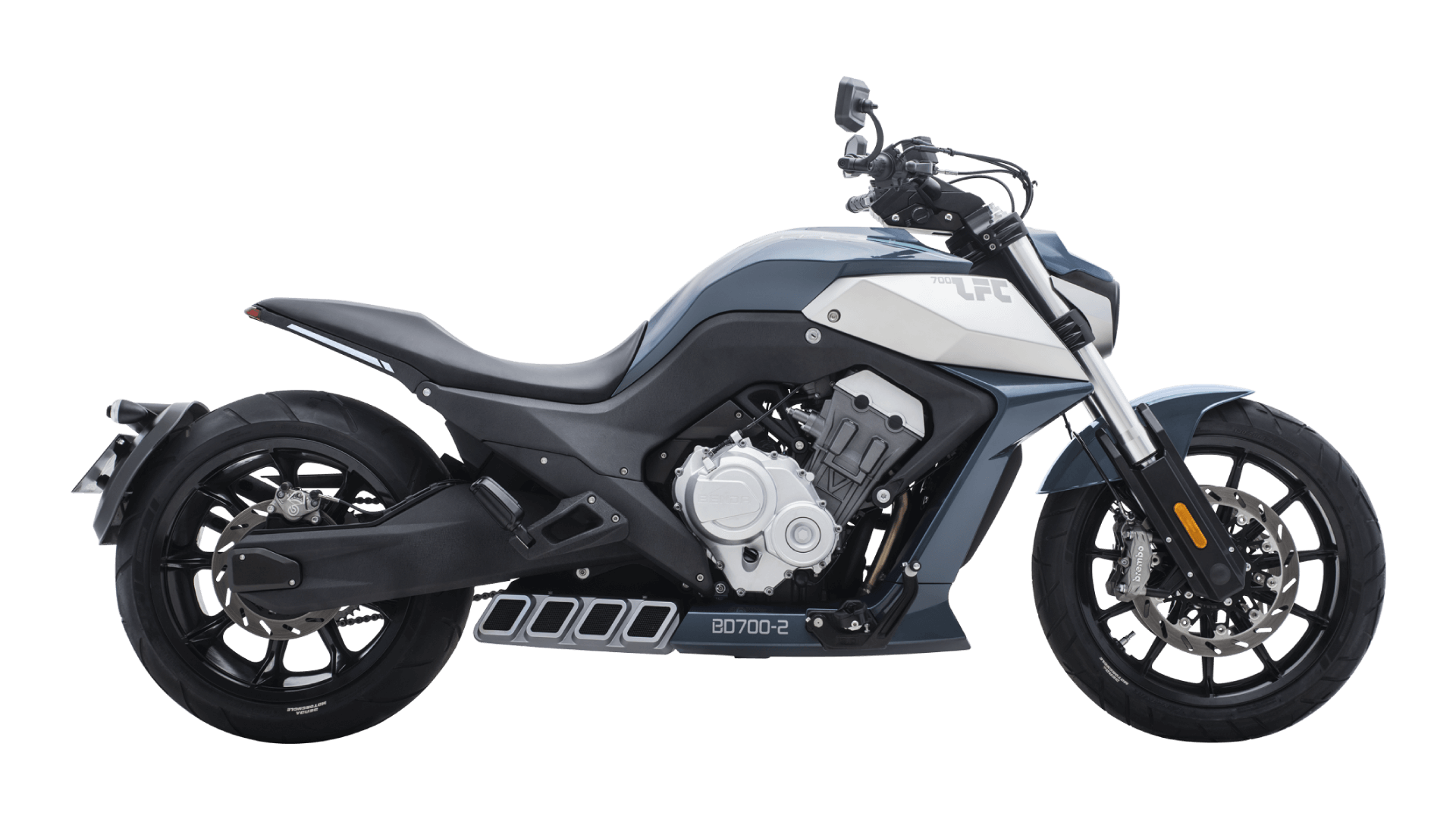
That gap between what we expect and what we feel at mile 60 is real. Seat shape, rake and trail, and even gear ratio choices shape comfort more than a catalog photo ever could. And when it’s time to stop, brake feel and ABS module tuning matter more than chrome. The question is simple: can we keep the stripped look without the stripped comfort? Let’s head into the details and see where the practical meets the poetic.
Hidden Friction Behind the Classic Look
What are riders missing?
If you look at a classic bobber, the lines are clean and the stance is low. That’s the hook. But pain points hide in small places. Narrow seats push pressure to one point. Tall pegs can load your hips. A short rear shock can pass every bump straight to your spine. Look, it’s simpler than you think: much of this comes down to basic setup and a few old habits. Traditional solutions—thick foam, heavier springs—often miss the root. They mask issues instead of fixing weight distribution and suspension geometry.

Then there’s the hardware many riders don’t talk about. Carburetor jetting may look “period-correct,” but altitude swings can make throttle response jumpy. Shorty pipes can flatten the torque curve right where you cruise. On hot days, a tight compression ratio and a heavy wet clutch make stop-and-go feel like work. Even the wiring harness matters. Without a tidy CAN bus or stable power converters, LEDs flicker and accessories cut out at idle. These are small frictions that stack up on a long ride. Style should not mean trade-offs you learn only after the first weekend loop.
What’s Next: Tech Principles That Keep the Soul
What’s Next
We can keep the minimalist look and solve the hidden hits. Here’s how the tech plays fair. A compact ABS module can sit low and quiet while saving you from gravel surprises. ECU mapping can add a soft initial throttle, which calms wrists in town, then open up for steady pull on the highway. A balanced final drive and smarter gear ratio can lift cruising RPM out of the buzz zone. And with a simple CAN bus backbone, you run clean wiring, stable lighting, and a steady USB without a rat’s nest of splices—no drama, no mystery. Pair that with seat foam that blends two densities and a touch more suspension preload, and you keep the stance while easing every mile.
Take a practical angle with a classic bobber motorcycle in mind. Think micro-adjusts, not big changes. A small change to rake and trail can calm front-end shake. A lighter battery lowers the center of gravity. Heat shields and better airflow around the engine reduce hot spots at the knees. None of this kills the vibe—quite the opposite. It lets the bike do what the look promised in the first place. And yes, the right pipes can keep a fuller torque curve without the drone—sweet sound, less fatigue. That’s the future that still looks like the past, only smarter and kinder on your back (and your patience). — funny how the best tech is the kind you don’t notice.
To choose well in 2026, use three simple metrics. 1) Ride-fit index: seat angle, peg drop, and bar sweep that match your inseam and reach. 2) Control stability: ABS calibration, throttle mapping, and brake feel at low speed and at 60 mph. 3) Range resilience: charging output, accessory power headroom, and heat management on hot days. When you weigh style against these anchors, the right cruiser or bobber becomes clear—quietly, almost like it chose you. For those comparing options or looking for a solid benchmark, keep an eye on evolving platforms from brands like BENDA.