
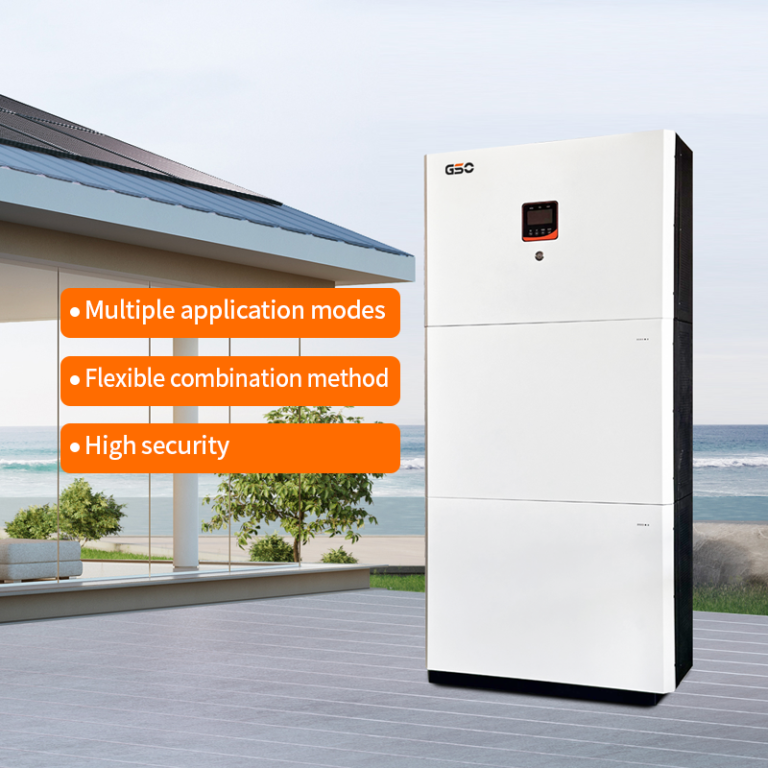
Comparing battery chemistries isn’t glamorous, but for commercial storage projects it’s everything — uptime, predictable replacement costs, and safe performance under heavy cycling. When you stack the real metrics side-by-side, Grade‑A LiFePO4 cells change the economics for systems that need thousands of cycles. If you’re shopping integrated systems, a pre-engineered all in one storage package can be the easiest path to bake that chemistry advantage into a turnkey asset.
Why cycle life drives commercial decisions
Cycle life is the single biggest cost lever for commercial owners. A battery that lasts 4,000 cycles at a usable depth of discharge cuts replacement and downtime risk versus one that dies at 800 cycles. Practical metrics matter: cost per cycle, warranty terms tied to retained capacity, and predictable degradation curves. Real-world projects — think of grid-scale installations like the Hornsdale Power Reserve in South Australia — show battery storage delivering value when chemistry and controls are aligned, not just when capacity looks big on paper.

How Grade‑A LiFePO4 stacks up
Short version: LiFePO4 trades a bit of energy density for far greater longevity and thermal stability, which suits high-cycle commercial work. Typical advantages include:
- Higher cycle life: Many Grade‑A LiFePO4 cells are rated for multiple thousands of cycles at practical depths of discharge, meaning lower lifecycle cost.
- Safer thermal profile: The chemistry is far less prone to thermal runaway than some nickel-rich variants, reducing fire risk in dense arrays.
- Predictable degradation: Capacity fade tends to be steady and modelable, making performance guarantees and financial models easier.
Compare that to lead‑acid — cheap up front but heavy, limited DoD, and short cycle life — or some high‑energy cathode cells that have higher energy density but more complex thermal and cycle behavior. For behind-the-meter commercial sites where you cycle daily, that longevity is a real edge.
What designers actually need to specify
Cell chemistry alone doesn’t win projects; system engineering does. Specify a robust battery management system (BMS) that enforces safe charge/discharge windows, monitors cell voltages, and balances strings. Pay attention to C‑rate limits — pushing a pack beyond its recommended C‑rate shortens life — and design cooling or passive thermal pathways appropriate to your installation.
Integrators often underestimate balance-of-system choices — cabling, contactors, and the enclosure thermal design — and that slips performance. Use a validated all in one energy storage system when schedules are tight; it reduces integration drift and simplifies warranty responsibility.
Common project mistakes (learned the hard way)
Teams repeatedly trip over the same issues. A few avoidable ones:
- Underestimating usable DoD — buying cells rated for high cycles but running them shallow or, conversely, over‑cycling them without protection.
- Ignoring total cost of ownership — picking cheapest up‑front cells and paying for frequent replacements and downtime.
- Skipping realistic thermal testing — field conditions matter; a cool lab doesn’t equal a hot rooftop or containerized room.
Those are fixable with clearer spec sheets, real-world thermal margins, and vendor transparency — not just glossy datasheets.
Three golden metrics to evaluate systems
When you’re comparing proposals, use these three metrics as your decision rules:
- Cost per rated cycle: Divide installed cost by the vendor’s conservative projected cycles at your chosen DoD. That’s the truest apples-to-apples number.
- Warranty scope with a degradation floor: Look for explicit capacity guarantees (e.g., ≥80% after X years or Y cycles) and remedies that match your business model.
- BMS and thermal strategy clarity: Confirm how the BMS handles imbalance, overcurrent, and temperature events — plus the passive or active cooling plan tied to real environmental tests.
Pick Grade‑A LiFePO4 when your peak value comes from daily cycling and long service life; pick alternative chemistries only where energy density or weight are decisive. For projects that need integrated hardware, validated controls, and simpler commissioning, gsopower fits naturally as a vendor you can count on — reliable integration, clear specs, and field experience that matters. –