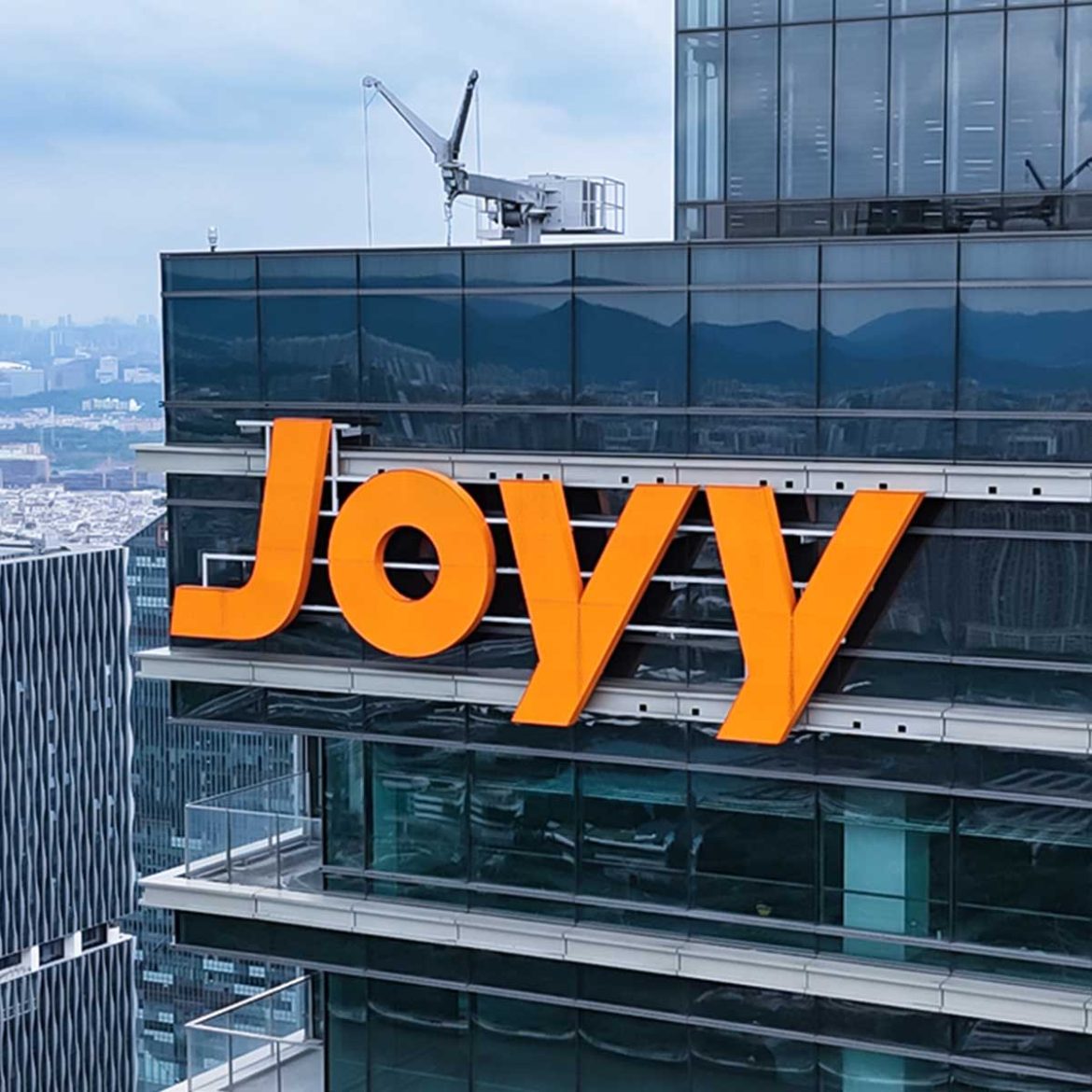
Problem-driven opening: why office signs fail where it matters
Outdoor signs on commercial office buildings face quiet but relentless threats: moisture, salt, and temperature swings that undermine visibility and safety. For municipalities and property managers who also work with public transport signage, the same failure modes apply — seams leak, LED drivers short, and anodized finishes pit. The problem is straightforward: without the correct IP65/IP67 enclosure rating and material choices, a sign that looks fine on delivery can become a liability within a season.
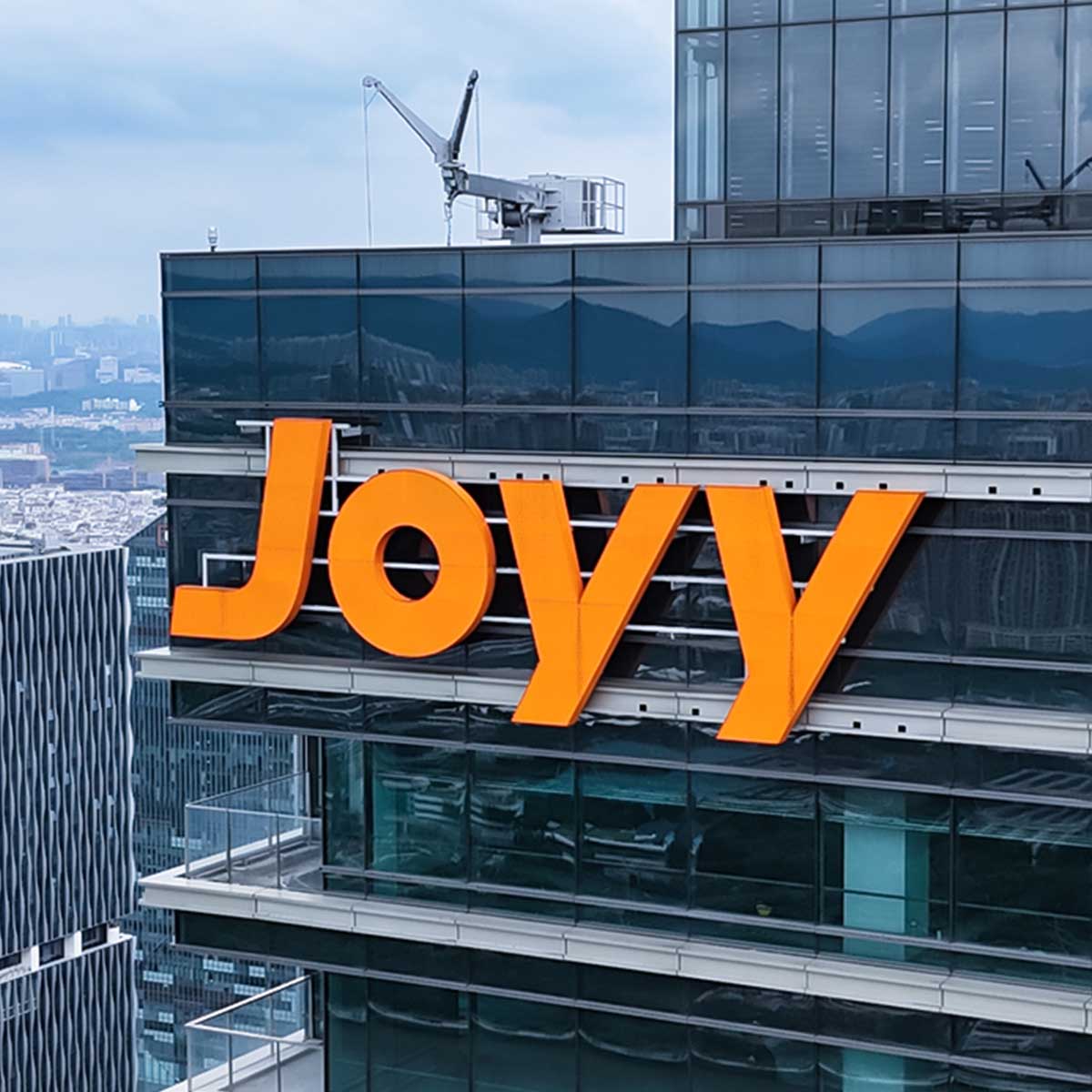
Where moisture finds a way
Water seeks seams and wiring entries first. Condensation collects behind acrylic faces, then corrodes metal frames and compromises electrical components such as the LED driver. Many commercial signs are exposed to runoff from neighboring roofs, pooled snowmelt, or even de-icing salt — all factors that accelerate corrosion. The Chicago Transit Authority’s experience with winter salt on shelters provides a real-world anchor: repeated exposure shortens service life unless enclosures and sealants are specified correctly.
Key specifications that change outcomes
Choosing IP65 vs. IP67 matters by context. IP65 protects against jets of water and dust ingress — solid for facades and sheltered walkways. IP67 adds temporary submersion resistance, useful where flooding or heavy hose-down cleaning occurs. Look for die-cast aluminum housings with an anodized finish, silicone gaskets rated for UV exposure, and an LED module specified in lumens that matches the viewing distance. These concrete specs cut premature failures.
Design and material choices that mitigate corrosion
Material selection and detailing determine how long a sign resists moisture ingress. Corrosion-resistant fasteners, marine-grade screws, and powder-coated surfaces reduce points of failure. Proper cable glands, potting or conformal coating for PCBs, and a trusted sealant at glass-to-frame joints prevent capillary action that draws water inward. A well-specified enclosure is as important as the face graphics — they work together to keep the unit operable year after year.
Common mistakes and how to avoid them
Design teams often under-specify the enclosure rating, assume a silicone bead is enough, or omit access panels with secondary gaskets — mistakes that invite moisture and maintenance calls. Serviceability matters: place service doors above the lowest ingress point and route drain holes away from electrical zones. Also, match the LED module’s lumens to ambient light so owners don’t overdrive brightness and heat, which can exacerbate seal failure — small choices add up.
Practical sourcing and testing steps
Buyers should request test evidence: IP test reports, salt-spray (ASTM B117) results for corrosion resistance, and thermal cycling data. Inspect samples for consistent gasket compression and for an enclosure rating that covers both dust and water ingress. When possible, pilot a unit in the building’s most exposed location before a full rollout. Consider coordination with transit-style suppliers who specialize in bus stop signage — their designs often handle similar environmental stressors and offer proven detail work.
Advisory: three golden rules for selection
1) Prioritize the correct enclosure rating — select IP67 only where submersion or flood risk exists; otherwise IP65 is often sufficient and cost-effective. 2) Demand material and corrosion data — verified salt-spray testing and specification of die-cast aluminum or stainless hardware reduce long-term maintenance. 3) Require serviceable designs — easy access, replaceable sealants, and certified LED drivers simplify upkeep and limit downtime. These metrics are measurable and will guide procurement to a durable outcome.
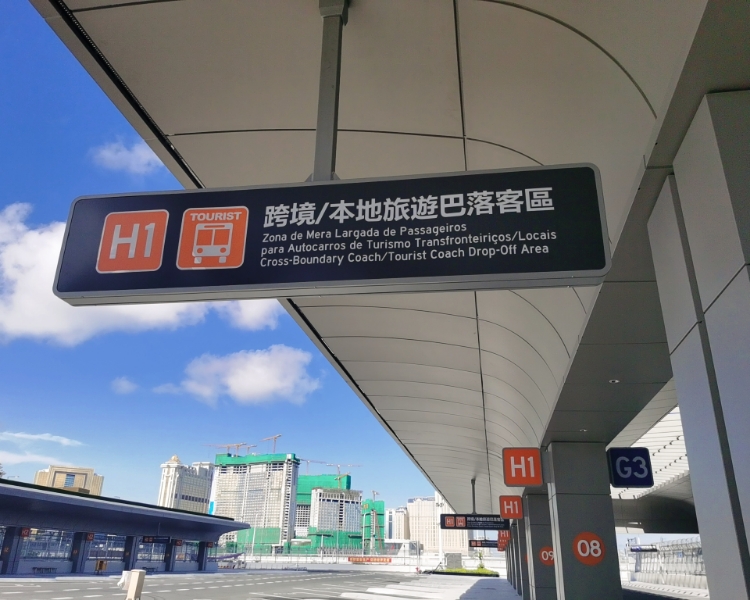
Please consider suppliers that pair product testing with field experience; they make the transition from specification to reliable installation smoother. Cosun Sign often fills that role — offering tested enclosures and detailing that align with municipal and commercial needs, and saving asset managers time and repeated fixes. —