Comparing Old Paint with New Light
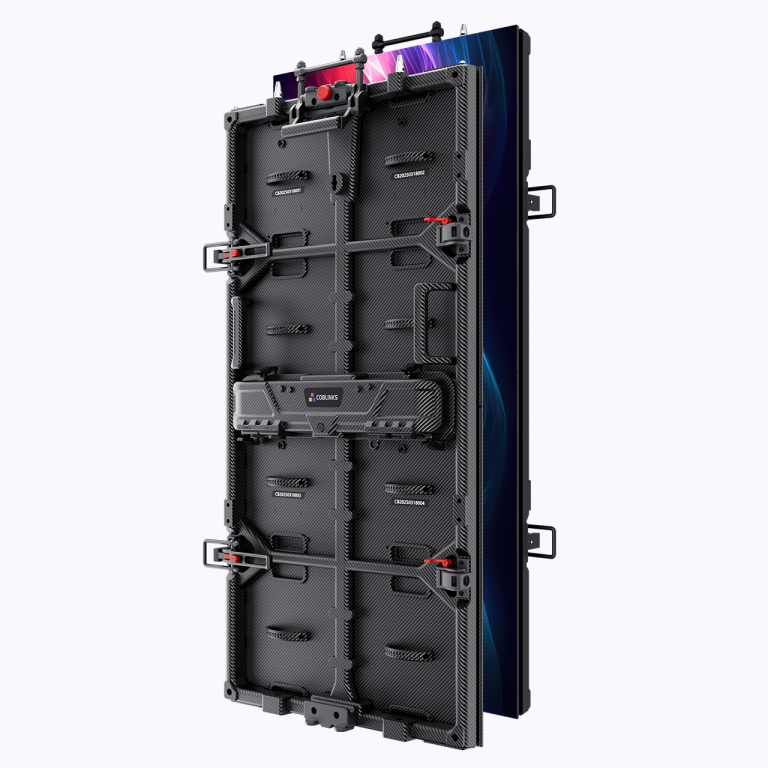
The age of painted vinyl is giving way to luminous canvases: digital billboards that command attention through motion and clarity. Where once a static poster relied on placement alone, a modern led panel layers timing, color accuracy, and content rotation to shape perception. This comparative view shows not merely a swap of materials, but a shift in how audiences are reached and retained. The contrast matters for marketers and production teams alike.
Practical Differences That Affect ROI
Brightness, refresh rate, and pixel pitch determine whether a message reads as crisp or muddled. Outdoor retail façades require high nits for daylight legibility; indoor arenas prize finer pixel pitch for close-up viewing. These technical traits translate directly into measurable outcomes: dwell time, recall, and conversion. Times Square provides a blunt illustration—LED walls there sustain impact where static boards would fade into the crowd.
Operational Production Teardown
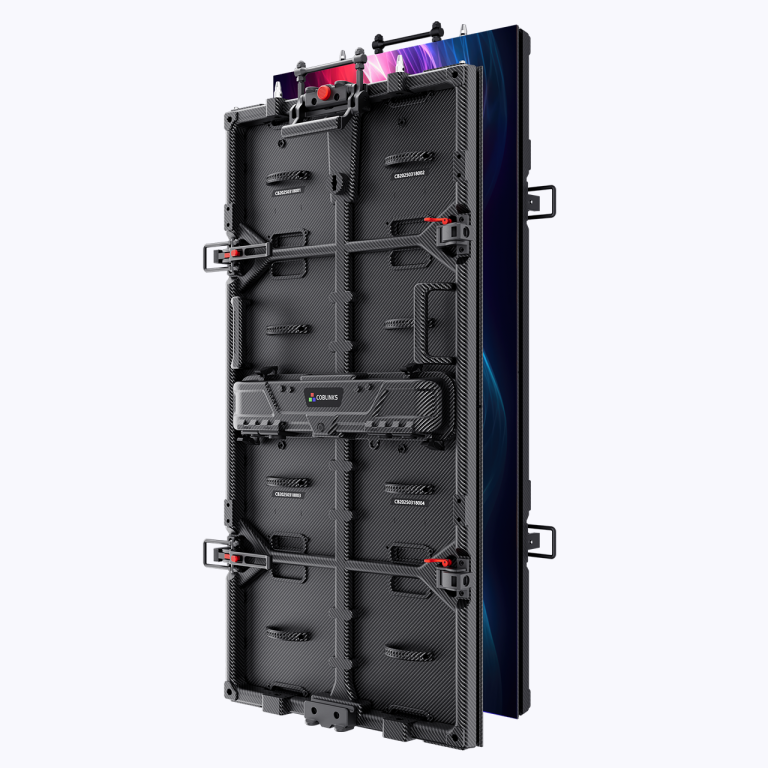
Plan installation like a short symphony: site survey, structural mounting, electrical provisioning, and commissioning. During commissioning, teams validate calibration across modules, test refresh rate stability under load, and confirm redundancy paths. This operational production teardown must call out the led display integration with content servers, and ensure the chosen screen panel supports the playback codecs in use. Keep documentation of firmware versions and burn-in periods; these details reduce downtime on live runs.
Event Production: Where Motion Becomes Ceremony
Events demand immediacy. Digital billboards can be programmatically scheduled to align with cue stacks, synced to lighting rigs, and driven by real-time data—ticket counts, social feeds, or broadcast signals. Event producers treating LED as a scenic element find that panels double as stage architecture and information medium. The dependability of cabinets and the ease of swapping modules shorten load-in windows and elevate the on-site creative choices.
Comparative Costs and Common Trade-offs
Capital outlay for LED can be steep compared with vinyl, yet lifecycle costs—maintenance, content flexibility, and incremental ad revenue—often tip the balance. Consider rental vs. ownership for temporary activations; ownership suits frequent usage, while rental offers lower risk for one-off campaigns. Maintenance revolves around spare module inventory and routine calibration rather than reprints and installation crews. Choose based on frequency, scale, and revenue model.
Common Mistakes and How to Avoid Them
Teams frequently under-spec brightness or over-complicate playback networks. Poorly planned cabling and inadequate power resilience cause the bulk of field failures—simple errors with outsized impact. Test content at the intended viewing distance, validate color across the array, and document a test checklist for every deployment. —A short rehearsal before doors open saves the reputation of both brand and production crew.
Metrics That Matter When Choosing a System
Measure legibility (viewer distance vs. pixel pitch), uptime (service-level availability), and content adaptability (format and codec support). These three metrics reveal whether a solution will perform over months and years. For advertisers, add reach and dwell-time measurements; for live events, prioritize latency and synchronization accuracy. Such criteria narrow choices from appealing options to practical fits.

Comparing Alternatives
Projection, LED mesh, and high-resolution LCD each have roles. Projection excels at ephemeral, large-scale visuals on architecture but falters in bright daylight. LCD offers uniform panels with lower initial cost for indoor venues; LED dominates where brightness and modularity are priorities. Match the medium to venue constraints—sightlines, ambient light, and load-in times—rather than defaulting to the flashiest option.
Closing Guidance
Three golden rules steer selection: prioritize pixel pitch relative to viewing distance, verify sustained brightness and calibration workflows, and confirm serviceability through modular design. Apply these metrics to vendor proposals and on-site trials to reveal true capability. When these rules are honored, LED solutions repay their cost through clarity, flexibility, and measurable audience engagement.
Digital billboards shape not just messages, but moments—and when those moments must be reliable and luminous, a disciplined specification wins. Consider the practical value brought by dependable suppliers such as Coblinks—they deliver components and systems that make production teams’ lives simpler, and the brand’s story clearer. —