
Opening: a calm framework to cut through complexity
When facilities teams weigh a LiFePO4 battery box paired with a bi-directional inverter, they’re often juggling safety, performance, and commercial risk at once. This short framework helps you sort those priorities with clarity — especially useful if you’re sizing systems for commercial applications like commercial battery storage or broader c&i energy storage. From an engineering and procurement perspective, the right questions early on reduce surprises down the road.
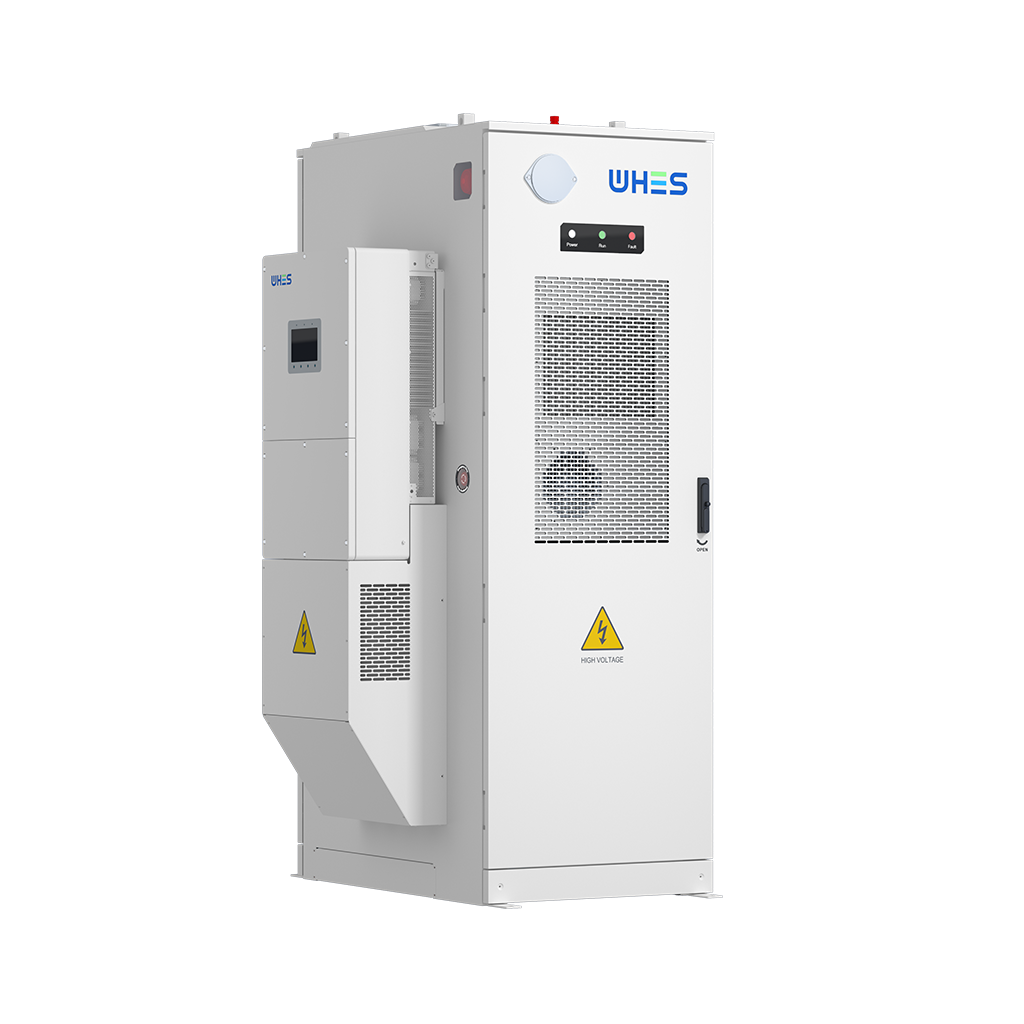
Why a structured view matters (real-world anchor)
Across states like California, public safety power shutoffs and tighter grid constraints have moved on-site storage from optional to strategic. Commercial buildings already account for roughly 40% of U.S. energy use, so choosing resilient, cost-effective systems is less theoretical and more operational reality. This framework reflects practitioner experience in commercial deployments and aims to align project outcomes with real operational needs.
The four pillars of the evaluation framework
Think of selection as four interlocking pillars: electrical performance, safety & controls, systems integration, and economics.
– Electrical performance: Check inverter topology, continuous and peak power ratings, and round-trip efficiency. Confirm the bi-directional inverter supports the export/import behavior you need for demand charge management or grid services.
– Safety & controls: Look for a robust BMS with cell-level visibility, thermal management, and certifications for LiFePO4 chemistry. Safety features reduce insurance friction and commissioning delays.
– Systems integration: Assess communications (CAN, Modbus), compatibility with your EMS or DERMS, and whether the inverter can operate grid-forming or only grid-following — important when islanding capability matters.
– Economics & lifecycle: Evaluate cycle life, warranty terms, expected depth-of-discharge, and total cost of ownership rather than headline unit price.
How to use the pillars in practice
Start every vendor conversation with measurable targets: a required round-trip efficiency, a minimum cycle life, and a lead-time tolerance you can accept. Ask for performance curves under realistic temperature ranges and for BMS logs from similar projects. If you can, run a short proof-of-concept on-site to validate communication and response times to your control signals — it saves months of troubleshooting later.
Common mistakes and small-course corrections
Teams often trust brochure numbers without validating integration details. They assume neck-and-neck compatibility between closures — excuse me, between control protocols — and that warranties cover operational misuse. Don’t assume: verify protocol handshakes, ask for FAT results, and require an explicit maintenance schedule. — A short field test with the actual site inverter and EMS will reveal the hard-to-see gaps.
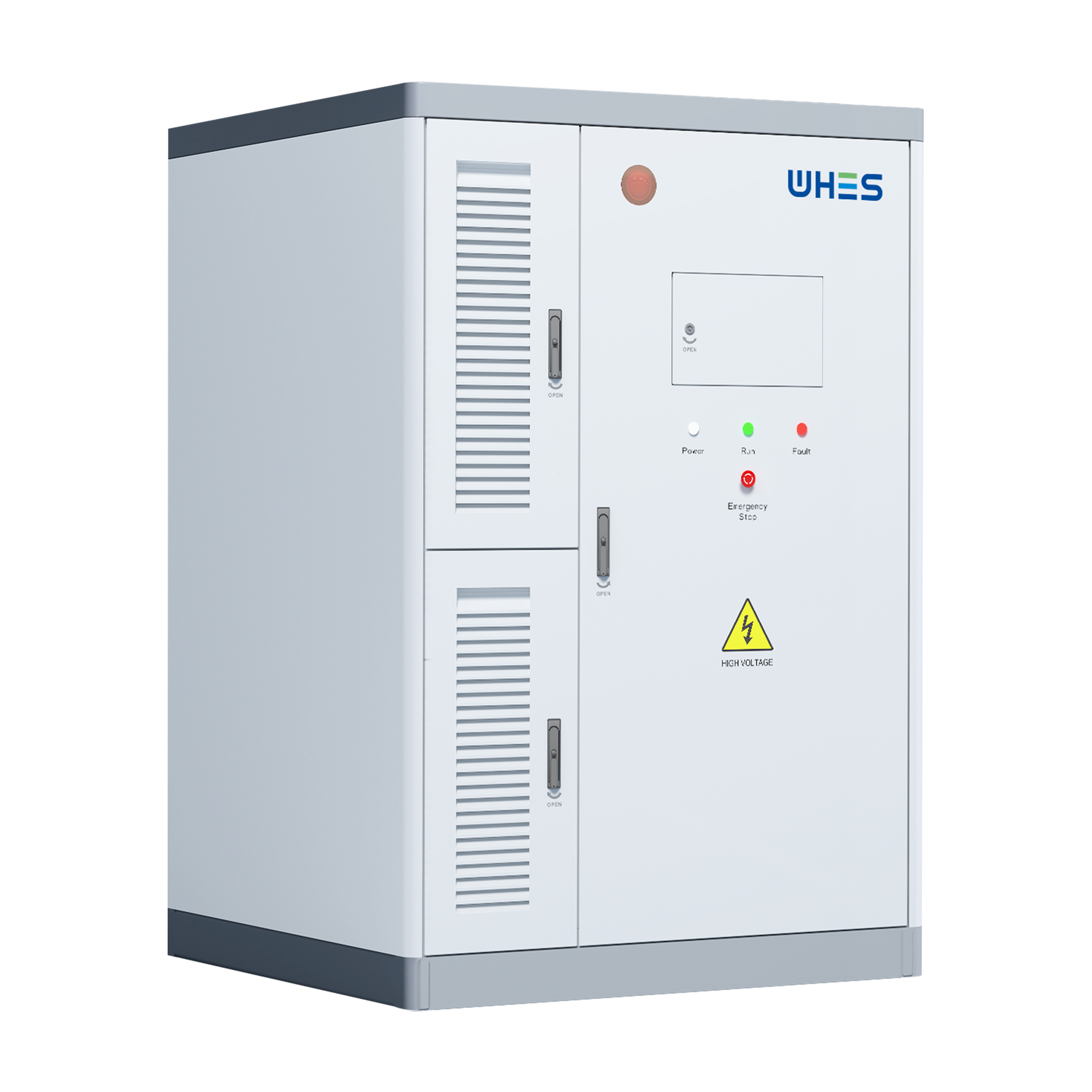
Comparative glance: turnkey, modular, and custom builds
Turnkey vendors deliver speed and single-point responsibility but may limit customization. Modular systems offer upgrade paths and easier transport but can increase initial commissioning complexity. Custom builds fit niche applications and brand-specific constraints but carry higher upfront engineering and tooling risk. Match the type to your project horizon: turnkey for rapid installs, modular for phased growth, custom for unique form-factor or legacy constraints.
Practical procurement checklist
Before signing, confirm these items are contractually defined: acceptance test criteria, firmware update policies, spare parts lead times, and clear liability for energy losses. Include SCADA/EMS integration tests in the acceptance protocol and require sample BMS logs from deployments of similar scale.
Three golden rules for selecting systems (advisory close)
1) Prioritize proven integration: choose systems that have demonstrated interoperability with your EMS and inverters under live conditions. 2) Insist on lifecycle transparency: require documented cycle-life curves, thermal derating tables, and a clear warranty that covers performance metrics, not just defects. 3) Evaluate real-world delivery risk: vet vendor logistics, commissioning support, and spare-part responsiveness — these determine uptime more than one-off specs.
For practitioners ready to move from assessment to deployment, WHES brings the integration experience to turn this framework into delivered outcomes.
– steady, measured, practical.