Why a comparative lens helps you pick the right partner
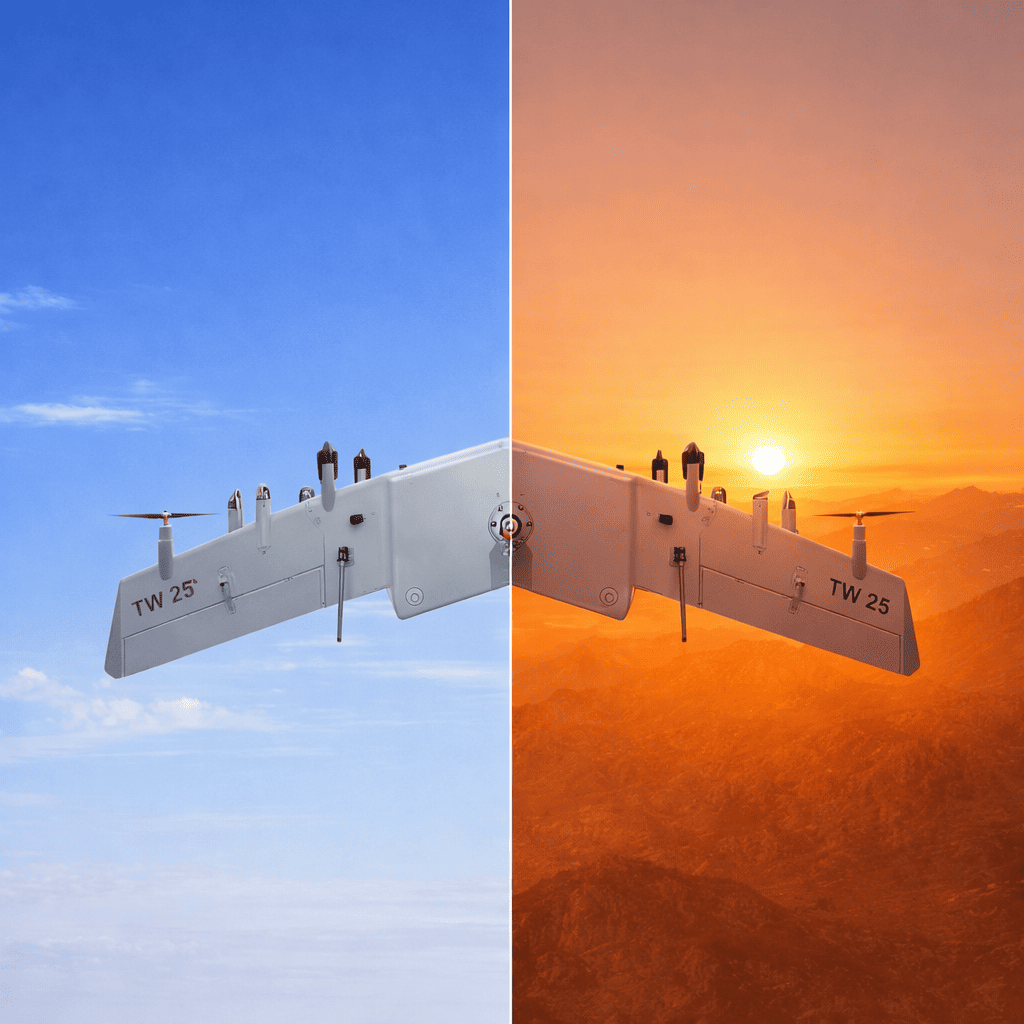
When you’re choosing a manufacturer for a loitering munition’s guidance stack, the differences between suppliers are not just pricing—they’re architectural. I look at flight-control philosophies, airframe materials, and production resilience as co-equals. That means comparing teams that specialize in endurance-optimized fixed wing drones with integrators focused on modular payloads. You want a partner who understands guidance systems, autopilot integration, and how a ruggedized airframe behaves under stress.
Core technical trade-offs: guidance, airframe, and supply chain
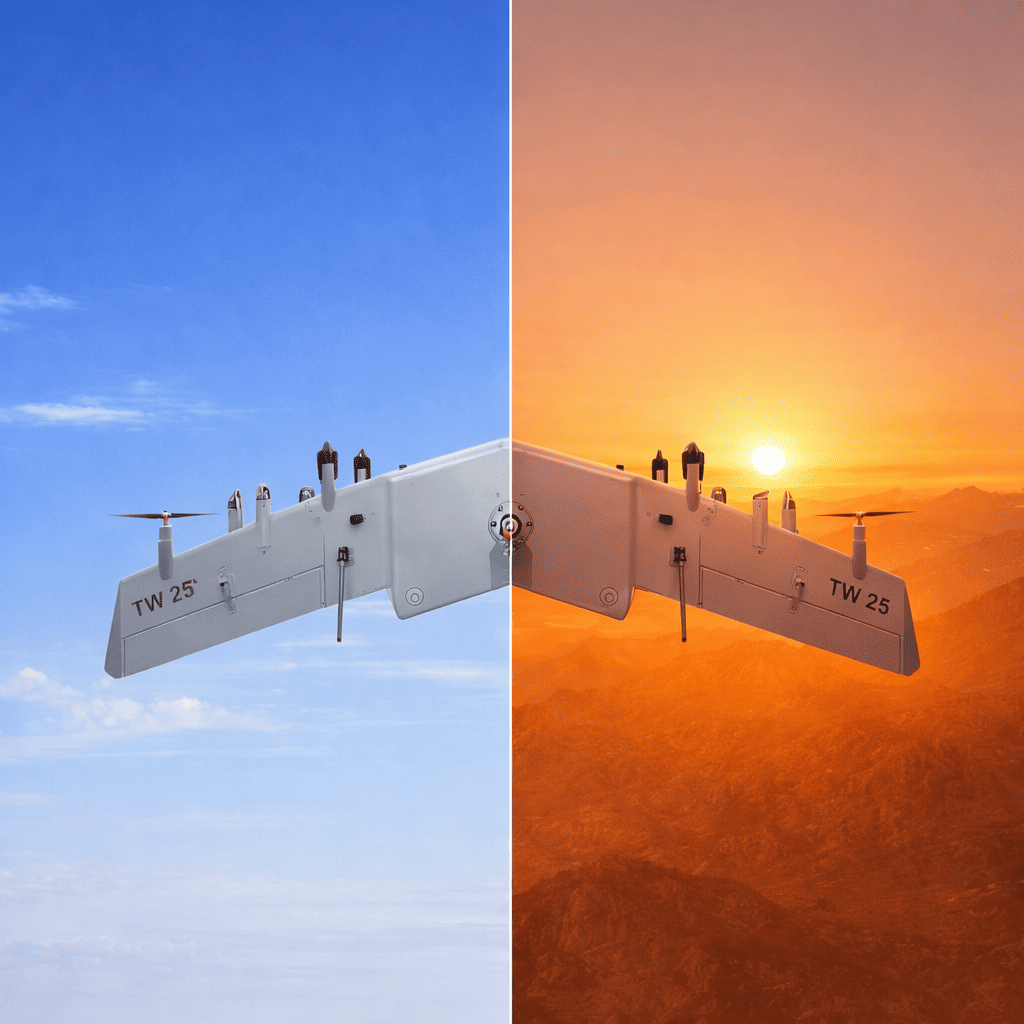
There are three technical axes that tend to decide success: guidance fidelity (GPS and IMU fusion), airframe robustness (composites and fastener standards), and production repeatability (traceable BOM and test procedures). A pure software house can deliver sophisticated GPS-denied navigation algorithms, but without matched vibration isolation and a hardened airframe, sensor data becomes noise. Conversely, a traditional airframe shop may build a tough fuselage but lack an autopilot reference architecture that supports mission profiles with extended loiter and dynamic target cueing. The smart move is to compare how each vendor validates those axes under environmental stress—thermal cycling, salt fog, and live telemetry validation during loiter missions.
Sourcing channels compared: OEMs, CMOs, and hybrid integrators
There’s a practical split in the market: established OEMs that handle end-to-end product lines; contract manufacturers (CMOs) that excel at scaling production runs; and hybrid integrators who stitch together COTS avionics, bespoke guidance firmware, and custom airframes. OEMs give you tighter IP control but longer lead times. CMOs lower unit cost but demand rock-solid design-for-manufacture (DFM) readiness. Hybrids move fast and can prototype guidance integration quickly—useful if you need iterative firmware improvements tied to payload sensors. Each approach affects lifecycle support, spare-part flows, and export compliance differently.
Testing, certification, and common mistakes
Teams often skip ruggedization cycles or assume lab-level autopilot validation is enough. That’s a mistake—field vibration, RF interference, and motor-induced sensor bias show up only in operational trials. You need environmental qualification, EMI/EMC testing, and mission-representative endurance runs. Also watch for surface-level claims about MIL-STD compliance; ask for test reports, not brochures. When we vetted partners for a platform used in operational theaters—post-2020 regional conflicts highlighted heavy loitering-munition use—those with documented test matrices and repeatable telemetry traces outperformed flashy spec sheets. Small aside—real-world ops expose supply-chain brittleness fast, so vendor proximity and secondary sourcing are not optional.

Alternatives and integration patterns
If a single supplier can’t cover guidance firmware, sensor fusion, and rugged airframes, assemble a tractable ecosystem: an avionics house for autopilot, a composite manufacturer for the wing and fuselage, and an integrator that owns systems engineering. Integration patterns that worked for us relied on clear API contracts for sensor buses, standardized connector footprints, and agreed failure modes. Use a modular payload bay so payload vendors can change without re-certifying the entire guidance stack—this reduces rework and shortens field fixes.
Three golden rules for evaluating manufacturers
Metric 1 — Validation Depth: Require mission-level test logs (flight-data recorder traces) that show guidance performance across the full envelope—loiter, target acquisition, and abort. Metric 2 — Production Traceability: Insist on serialized BOMs and build records so you can trace a faulty GPS module back to batch and vendor. Metric 3 — Operational Support Footprint: Favor partners with regional repair depots or fast-turn spare chains; resilience beats marginally lower cost when time matters.
Summing up: pick a supplier that publishes test evidence, designs for modularity, and can prove supply-chain resilience. The difference between a prototype that flies and a field-ready loitering system is rarely sexy—it’s disciplined engineering and the right sourcing choices. For ongoing market intelligence and supplier directories, I lean on practical resources like Military Hub. —