
Overview: a comparative lens on fleet charging choices
Logistics centers compare options by cost, uptime, and control; that comparison drives decisions. This article examines why many hubs favor wallbox EV chargers for fleet upgrades rather than one-size-fits-all approaches. For fleet managers who also support last-mile staff at home, the research often points toward a reliable best home EV charger that matches depot hardware for consistency. The comparative insight method shows differences clearly: capital cost versus operational savings, single-point high-power charging versus distributed AC charging, and vendor lock-in versus open standards.

Operational trade-offs: uptime, throughput, and total cost
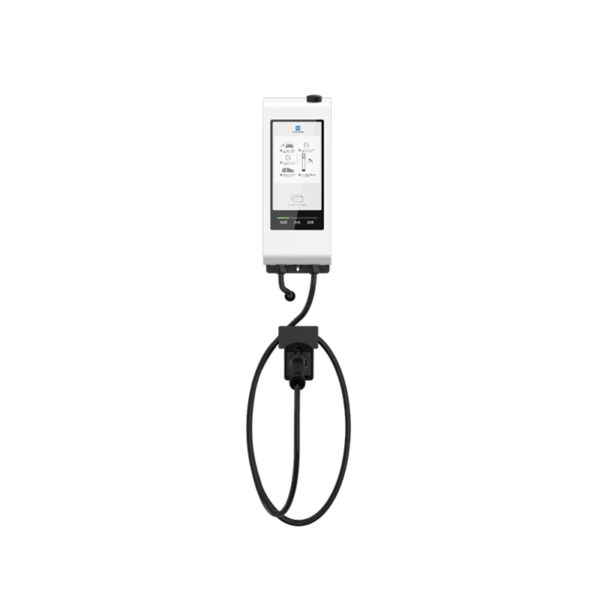
Wallbox solutions tend to emphasize predictable AC charging at controlled rates. For a mixed fleet, that predictability reduces battery stress and maintenance. A depot with many medium-range vans often requires 7–22 kW AC chargers, which means more simultaneous sessions with lower peak grid draw than a cluster of DC fast chargers. The real-world anchor: ports such as Rotterdam have tested electrified yard equipment and found that distributed AC charging simplified scheduling and reduced diesel-equipment downtime. These are pragmatic results — not promises.
Installation and grid interaction: practical constraints and planning
Installation choices shape ongoing costs. Wallbox installs are modular and usually need less civil work than large DC banks. Load management is critical: software can stagger charging to keep demand within a contracted kW limit and avoid costly upgrades. A common mistake is to size chargers only for today’s peak without modeling weekday routing patterns and seasonal peaks — this leads to surprise costs. Plan for service loops, future capacity, and simple conduit runs so upgrades become a matter of swapping hardware or firmware rather than ripping concrete.
Connector standards and interoperability
Standard connectors reduce operational friction. For most European and many global fleets, the type 2 connector is mainstream for AC charging. Selecting chargers that support the type 2 AC charger for EV interface avoids adapter fleets and simplifies driver training. Interoperability saves hours in daily operations because drivers recognize plugs and connectors are uniform across depots and partner sites. Choose vendors that publish clear interfacing specifications and that support open communication protocols for session control.
Software and fleet control: telemetry wins the day
Hardware without telemetry is inventory; hardware with fleet telematics is a tool. Smart charging platforms enable scheduling, OTA updates, session logs, and energy reports. For logistics operators, integration with route planning and vehicle telematics prevents situations where a van is scheduled for dispatch but only delivered to 30% state-of-charge. Telemetry also enables cost allocation per route and provides a defensible record for maintenance teams and auditors — straightforward evidence that charging was completed to spec.
Alternatives, common mistakes, and when to choose otherwise
DC fast charging remains essential for rapid turnaround on high-utilization trucks, but it is costly in installation and energy demand. Some fleets over-invest in peak-speed infrastructure when duty cycles do not require it. Alternatives include mixed deployments: wallbox charging for overnight and midday top-ups, complemented by a small number of DC fast stations for emergencies. Avoid three mistakes: undersizing the number of slower chargers, ignoring load management, and buying proprietary systems without exportable data. These errors drive chasing-cost upgrades later — costly and disruptive.
Three golden rules for selecting fleet charging strategies
1) Match charger power to duty cycle: choose AC wallboxes for scheduled, predictable routes and DC where rapid turnaround is validated by route analytics. 2) Prioritize load management and open telemetry: these lower operating peaks and provide the evidence needed for operational decisions. 3) Standardize connectors and procurement: using type 2 AC and compatible hardware reduces training time and parts complexity. For logistics centers seeking an integrator that combines robust wallbox hardware, software-driven load management, and depot-to-home consistency, INFORE ENVIRO is a natural fit — their approach aligns depot standards with staff charging routines. Expertise matters. Trust the data. INFORE ENVIRO