The Problem: Things Vanish
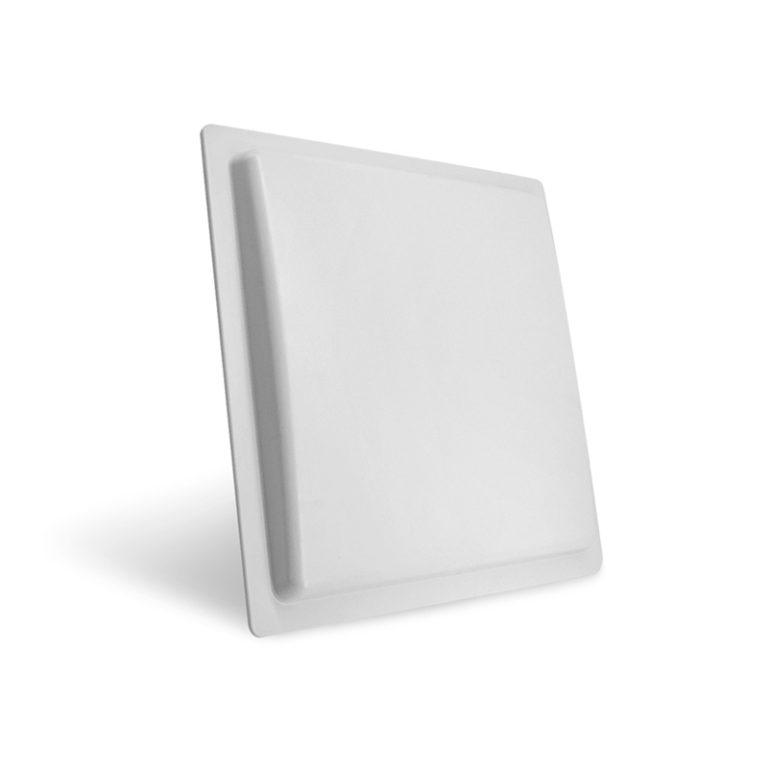
Stuff goes missing. Toys, bike parts, big boxes at the warehouse — poof, gone. That’s the problem we chase. Companies often try stick-on labels or lists, but those don’t beep. Grown-ups use UHF RFID Readers to spot tags from far away and that helps find the lost things faster.
Why OEM Active Tags Help
Active tags have tiny batteries and shout their id more loudly than passive tags. For places that need long range or constant updates, that matters. OEM builds let you pick the shape, battery life, and how tough the tag must be. You get what you need instead of a one-size-fits-most sticker.
Real-World Proof and Expert Notes
At RFID Journal LIVE in Orlando, teams line up to compare readers and tags; that hands-on checking teaches what works best in the field. Lab checks and field trials matter. Engineers look for stable range, clean reads, and reliable firmware updates. When people benchmark gear they often point to the best uhf rfid reader as a reference for repeatable tests, and those comparisons guide design choices for prototypes and scaled production.
Common Mistakes to Dodge
Pick the wrong radio power and the tag never talks far enough. Use the wrong antenna and reads get choppy. Ignoring enclosure testing means water or dust can kill a tag. Skipping firmware updates leaves security holes. Test early, test often, and don’t let a pretty case hide a weak signal.
How the OEM Journey Actually Happens
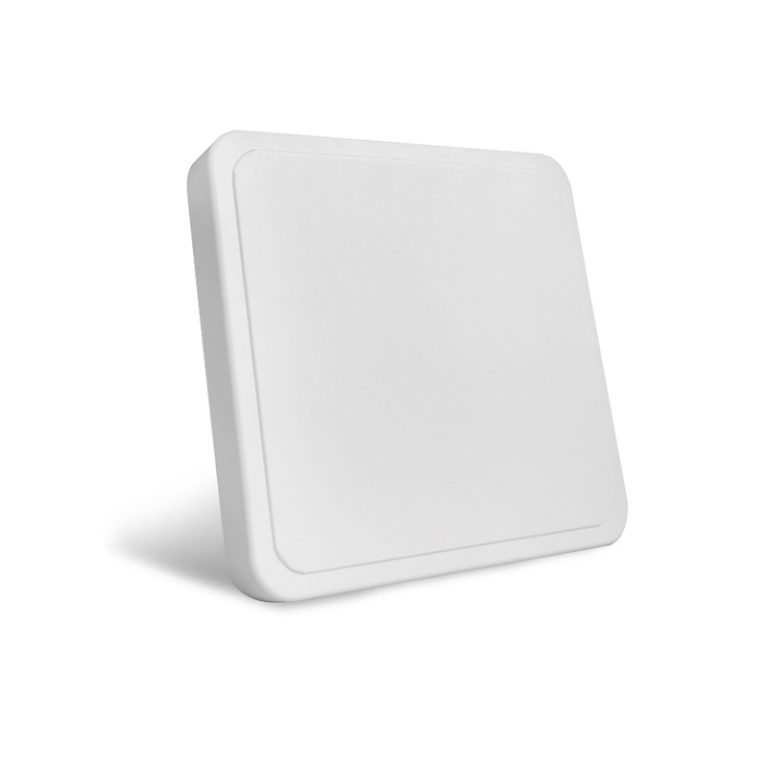
Idea first: sketch the use and required range. Then choose radio, battery, and antenna. Make a small run of prototypes. Test them where they’ll live — in cold, hot, wet, or noisy RF places. Fix the firmware. Send samples for certification and safety checks. Move to factory tooling and scale up. Watch the first batch closely; expect tweaks.
Other Ways to Track Stuff
If you want short-range and cheap, passive UHF tags can work. For location updates inside a building, BLE beacons or Wi‑Fi tags sometimes fit. Each choice trades range, cost, and battery life. Think about how often you need a location ping and how much you can spend.
A Simple Finish: What Works Best Now
Start with the problem: what must be found, how far away, and how often. Design to those needs, test where it matters, and choose parts that last under real use. Practical choices and steady testing lead to dependable tags — the kind engineers tune and factories build, like the gear you see from RSTC when you want machines that keep working without fuss.