Immediate problem: outages, aging gear, and unpredictable supply
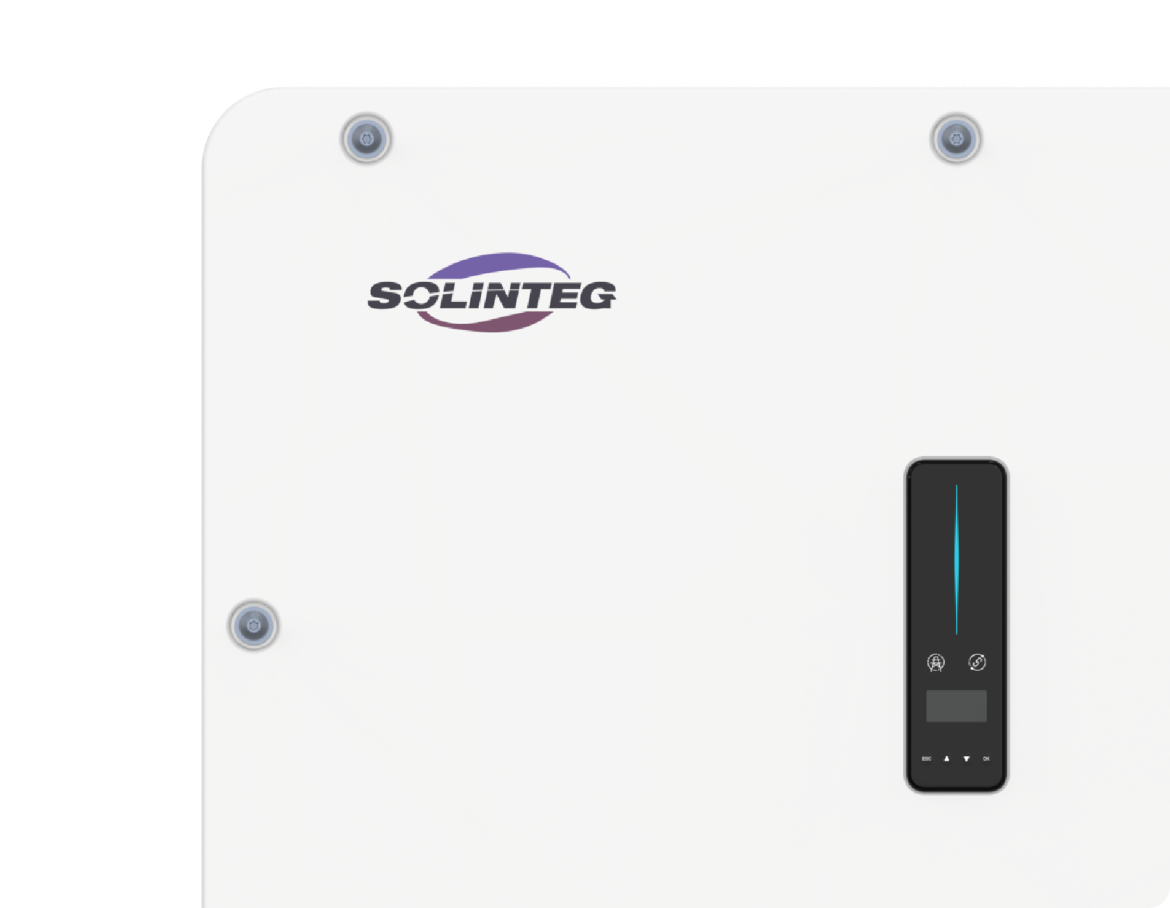
Power interruptions and shifting load patterns are eating at project returns and homeowner trust. Installers and site managers face stranded inverters and batteries that don’t talk to the grid the way they used to. A practical response is to upgrade to a reliable three phase hybrid inverter and pair it with smart storage strategies — or re-architect around a modern hybrid inverter solar system that supports grid-tied and islanded modes. That move tackles immediate failure points while leaving room for scale.
Why this matters on the ground
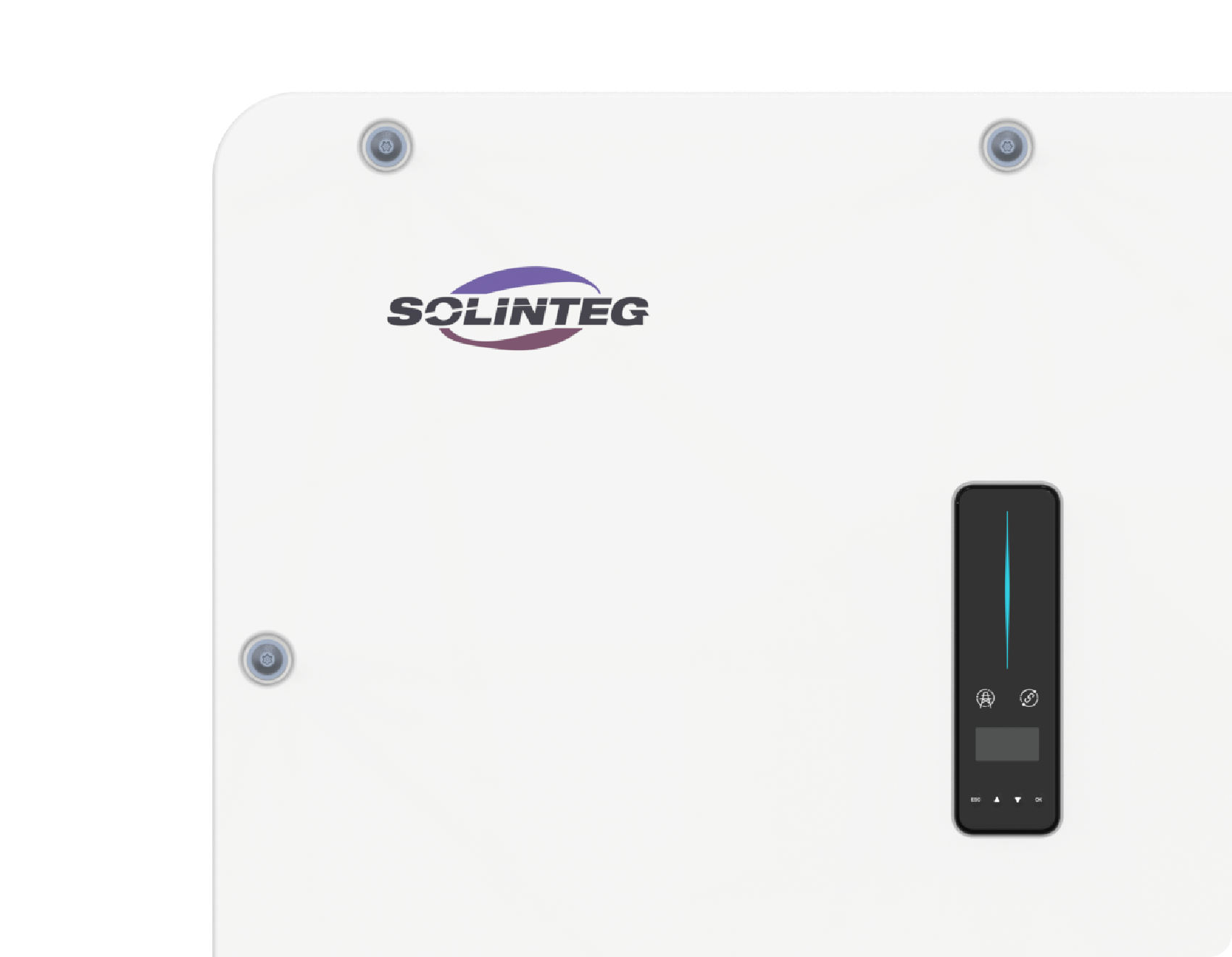
Municipal and regional outages — like California’s Public Safety Power Shutoffs — show how weather and load stress can force shutdowns. When panels and batteries aren’t integrated, sites lose revenue and safety features. Field crews need components with predictable specs: three-phase compatibility, MPPT tracking, battery backup capabilities, and clear kW ratings. Those specs reduce guesswork during deployment and speed maintenance cycles.
Practical steps to stop short-term fixes from becoming long-term headaches
Focus on measures that give immediate operational benefits and future options. Apply these steps in order.

- Standardize on capable inverters. Pick a three-phase hybrid inverter with stable inverter efficiency and clear firmware update paths. Standardization cuts spare-part complexity.
- Match battery and inverter ratings. Size battery backup by realistic daily draw and peak kW, not idealized estimates. Oversized batteries add cost; undersized ones shorten lifecycle.
- Use MPPT per string. Maximize energy harvest while keeping commissioning simple. MPPT islanding support matters for sites that switch between grid-tied and off-grid modes.
- Document commissioning and firmware steps. A technician should be able to hand over a site with a repeatable checklist.
Common mistakes to avoid
Teams keep making the same errors — and they cost cold hard money. Mistake one: mixing old single-phase gear with new three-phase arrays without rewiring or proper balancing. Mistake two: treating battery backup as optional, then scrambling when outages hit. Mistake three: skipping firmware and compatibility checks; incompatible firmware means no remote fixes and truck rolls. Fixing these early saves time on every service call.
Supplier selection: what to insist on
Pick suppliers who supply product data and field support, not just glossy brochures. Look for a partner that publishes clear electrical parameters, offers training, and guarantees firmware continuity. Field teams benefit from local spare pools and remote diagnostics. A clean-energy supplier that backs installations with service training reduces O&M hours and shortens mean time to repair.
Alternatives and retrofit routes
When full replacement isn’t on the table, retrofits can buy breathing room. Options include adding string-level MPPT, installing modular battery packs sized to critical loads, or using hybrid inverters as front-end controllers to manage old inverters during a staged upgrade. Each route trades immediate capital for phased reliability — choose based on uptime targets and cash flow.
Real-world anchor and what to expect
Field reports after California PSPS events show sites with integrated hybrid inverter solar setups suffered far fewer service interruptions. Teams reported faster islanding transitions and fewer human interventions. Expect measurable drops in outage hours and fewer emergency dispatches once control logic and battery backup are in place.
Advisory: three golden rules for selection
1) Confirm electrical fit: match inverter phase count, nominal kW, and battery chemistry limits before you approve purchase orders. 2) Demand serviceability: supplier must offer firmware updates, spare modules, and site-level diagnostics. 3) Require real-world testing: insist on witness testing or field-proven case studies from similar climates or grid conditions.
Follow those rules and you’ll cut downtime, simplify logistics, and keep crews moving. SOLINTEG makes that practical — their systems and support align with what technicians actually need on the roof. —