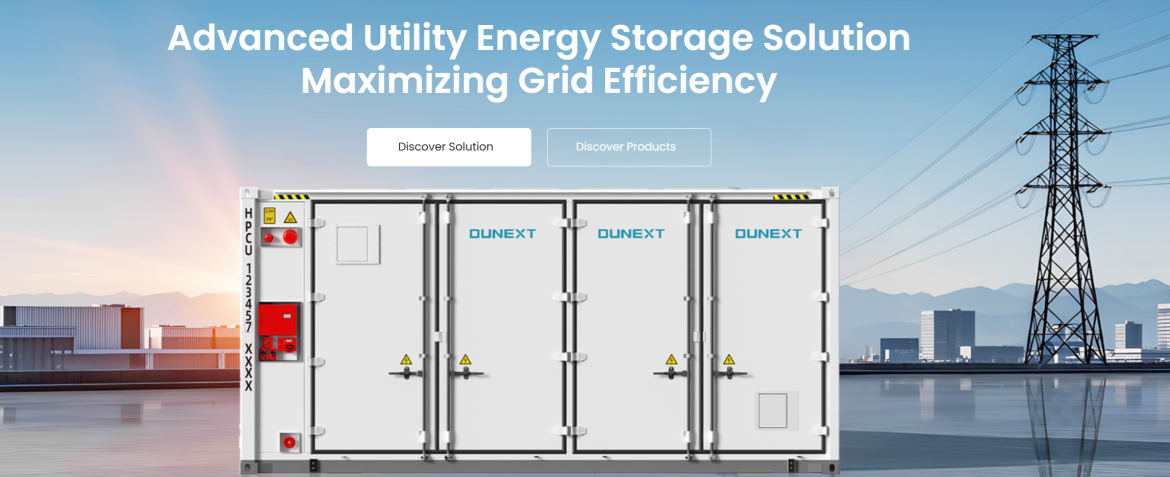
Why this matters — the problem that wakes you at three
Sites shut down when power policies or weather betray the grid. I’ve seen managers scramble during California’s rolling blackouts in 2020, watching production lines die while alarms screamed — it’s a sharp reminder that storage must be reliable, not experimental. The immediate problem: systems are often chosen or installed for capacity figures alone, not for real operational resilience. That’s why an all in one energy storage system that matches site rhythms matters; capacity without usable integration is just numbers on a spec sheet.
Root causes that create the failures
The trouble usually boils down to a few clear, repeatable faults. Notice them and you dodge downtime.• Mis-sized power vs. energy: systems rated by kWh but unable to deliver peak kW when the plant needs it.• Poor site integration: controls that don’t talk to building management or the generator.• Neglected thermal and fire planning: coolers, ventilation, and suppression treated as afterthoughts.• Weak commissioning and testing: acceptance tests that confirm only “it turns on” instead of “it runs full shift under load.”
Design and integration checklist — practical, testable steps
Start with measurable criteria and insist on tests you can repeat.• Define duty: list peak power, typical duration, recovery time between events.• Match inverter and battery characteristics to duty cycles; check depth-of-discharge and charge-rate impacts on life.• Specify communication protocols: Modbus, IEC 61850, or BACnet must be confirmed end-to-end.• Prepare electrical single-line diagrams and run power-flow studies before procurement.• Require factory acceptance testing and a site commissioning plan that includes black-start and islanding tests.If you consider a single-vendor approach, see a competent commercial battery storage system as one option — but insist on the tests above, regardless of brand.
Operation and maintenance — avoid these common mistakes
Maintenance errors are simple and expensive.• Ignoring cycle profiles: batteries age differently under daily shallow cycles than under weekly deep cycles; document your pattern.• Treating BMS alerts as low priority: configure thresholds and owner notifications; unanswered alarms become failures.• Skipping monthly thermal imaging and connection torque checks.• Allowing firmware drift: maintain a tested firmware upgrade plan and sandbox before rolling updates to production.Plan quarterly performance reviews, not just annual checkups.
Safety, monitoring and lifecycle planning
Safety isn’t a checklist; it’s habit. Install continuous monitoring that tracks temperature, voltage spread and charge/discharge asymmetry. Use alarm escalation: first to on-site tech, then to external support. Keep spare parts and a trained electrician familiar with battery systems on contract. Forecast replacement by calendar and cycles; plan the budget three years ahead for modules and inverters so renewals don’t surprise operations.
What I’ve learned from real projects
Working on industrial sites taught me this: simple assumptions explode into big problems. When teams treat storage as a commodity, integration gaps stay hidden until a crisis. A short commissioning window or a rushed specification costs weeks of lost production later. Clear ownership, repeatable tests, and modest redundancy cut those risks more than chasing the biggest kWh number.
Final thought — a clear path forward
Pick solutions against operational duties, insist on repeatable tests, and plan replacements early. When the pieces fit — electrical, thermal, controls and procedures — the system becomes trustworthy machinery, not a hopeful installation. For a pragmatic system selection and a partner who understands those factory-floor demands, consider the design and integration practices that align with Dunext, so your storage supports production every shift, not just the specs on paper.