The problem facing tomorrow’s lots
Concrete and sensors alone won’t solve clogged entrances or fraudulent access; the problem is systems that promise autonomy but choke on real-world edge cases. Vendors market complex stacks—vision, barriers, cloud orchestration—but you need to know which parts actually work when traffic surges or cameras get dirty. Start by testing the core tech: how well do their lpr parking management systems read plates at unusual angles, low lighting, or with partial occlusion? Failure modes often hide beneath glossy demos.
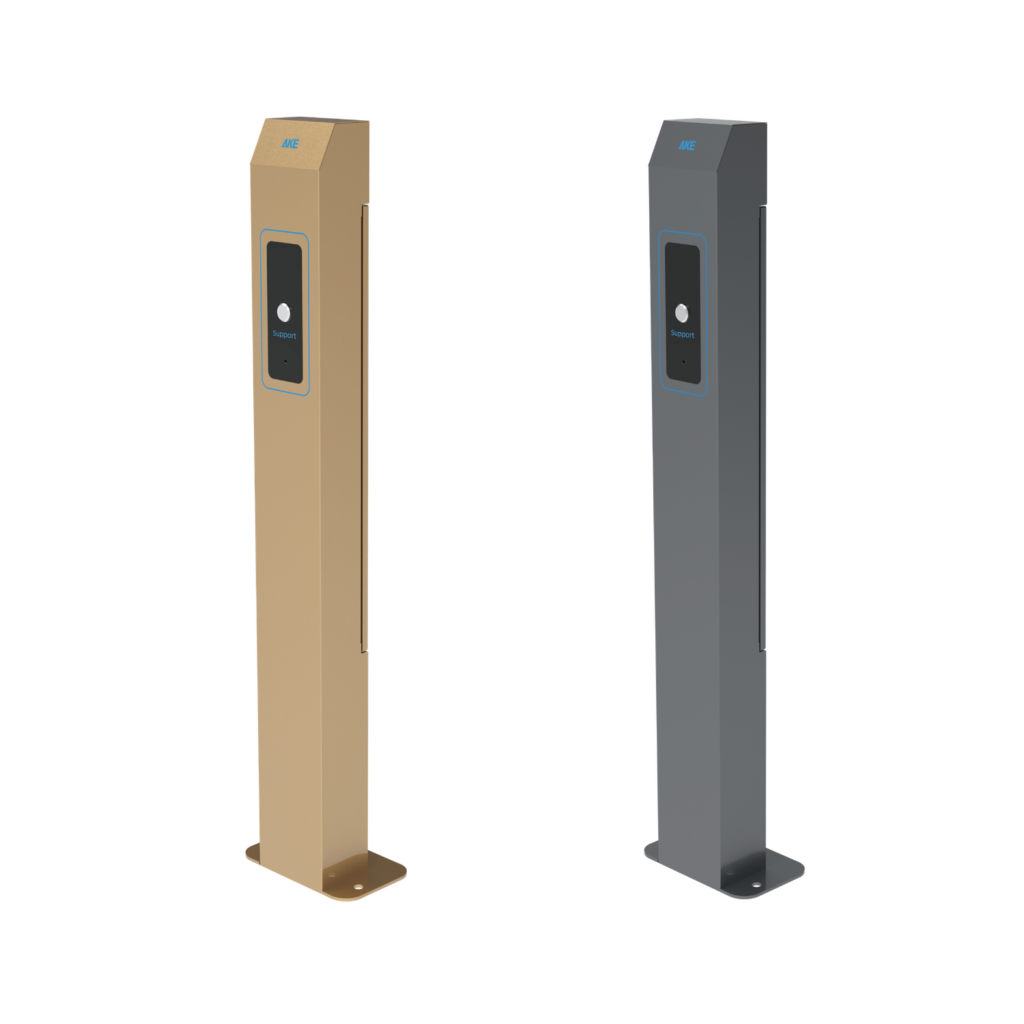
What to compare first: accuracy under stress
Accuracy numbers are meaningless without scenario context. Demand performance metrics for low-light, motion blur, and angled captures. Ask for false-positive and false-negative rates broken down by lighting and speed. Suppliers who can show frame-level confusion cases and explain corrective logic earn credibility. Avoid vendors that give only overall accuracy percentages; you want conditional results that reflect rush-hour stress.
AI models, edge inference, and update paths
Which side does core recognition run on—the camera, local gateway, or cloud? Edge inference reduces latency and keeps access decisions local; cloud models simplify updates but can introduce delays and privacy concerns. Verify how firmware and model updates are delivered, signed, and rolled back. Choose systems with explainable failure logs so technicians can reproduce and fix misreads without guessing.
Integration and APIs that won’t strand you
Ask for concrete API schemas, auth methods, and event payload examples. The supplier should provide a sandbox with sample events for barrier actuation, permit checks, and incident logging. Confirm support for standard protocols (REST, MQTT, webhooks) and check how seamlessly the LPR feed integrates with existing parking servers, payment platforms, and access-control rules.
Hardware resilience and real-world mounting
Camera housings, heaters, and IR modules matter as much as models. Request MTBF data, environmental ratings, and time-to-fail reports from field installations. Probe mount geometry: a misaligned pole can produce repeatable misreads. Insist on supplier-provided mounting diagrams for your site and ask how they calibrate at install to minimize on-site tuning.
Privacy, compliance, and retention policies
Clarify how license plate data is stored, encrypted, and purged. Confirm retention windows by policy, not just UI settings, and require role-based access with audit trails. If law or local policy dictates, the system should support anonymized analytics and selective redaction. Get those guarantees in writing and mapped to your operational procedures.

Common deployment pitfalls to avoid
Poor site surveys, under-spec’d lighting, and assuming a single camera covers multiple approaches are the usual culprits. Vendors may push minimal hardware to lower quotes; push back. Plan for staged rollouts with measurable acceptance criteria—no speculative claims. Field-test during peak periods, not a quiet morning demo.
Alternatives and trade-offs
Optical-only LPR can be cost-efficient but struggles in some weather; multisensor fusion (thermal plus visible) improves read rates at higher cost. Cloud-centric offerings ease centralized analytics but risk higher latency. Proprietary stacks give turnkey simplicity; open-API systems offer future flexibility. Match trade-offs to your tolerance for maintenance, data control, and scalability.
Experience, evidence, and a single real-world anchor
I’ve led deployments that moved from pilot to city-wide enforcement, and I’ve trained technicians to interpret per-frame failure logs so teams can reduce exceptions. A useful benchmark is Los Angeles, where municipal trials with LPR shaped procurement questions and produced public performance reports that buyers still cite. For practical comparisons, look at how the vendor’s LPR feed is presented and whether it supports rapid diagnostics—see how they package their lpr parking outputs and incident logs for operators.
Synthesis and the pragmatic solution
Don’t buy on buzz. Compare combat-proven accuracy under stress, update paths for AI, clear integration contracts, hardware durability, and enforceable privacy rules. The right supplier ties those elements into a coherent operating model and provides reproducible tests you can run on-site. That practical coherence is exactly what AKE Parking presents in their system designs, and it’s the difference between a pilot that stalls and a lot that actually runs itself.