Practical comparison up front
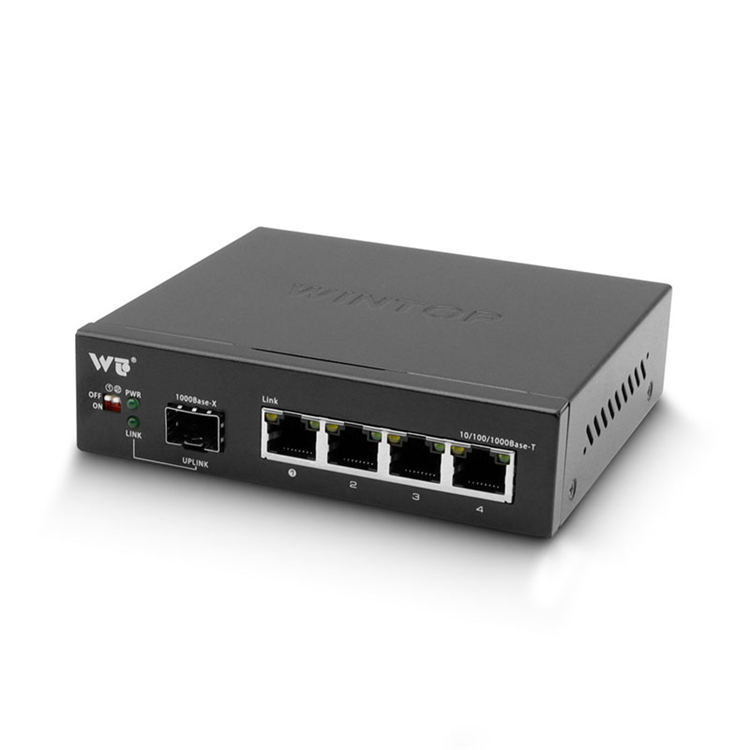
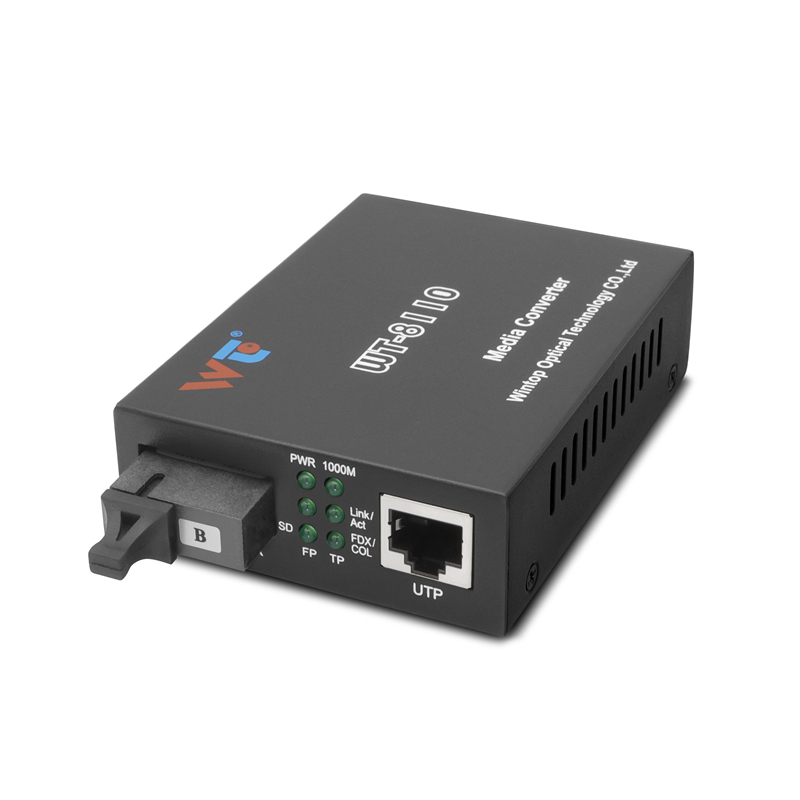
A compact four-port industrial switch often gives more predictable outcomes than bulkier alternatives for small to medium automated cells. In tight layouts you can pair that switch with a gigabit fiber media converter to extend reach or isolate noisy electrical environments without redesigning the whole network. A 1g media converter also slots into the same workflow when you need to bridge copper and fiber for a sensor cluster or machine vision rig. The directness of this approach keeps wiring simple, reduces terminations, and limits single points of failure.
Comparing four-port versus larger switch strategies
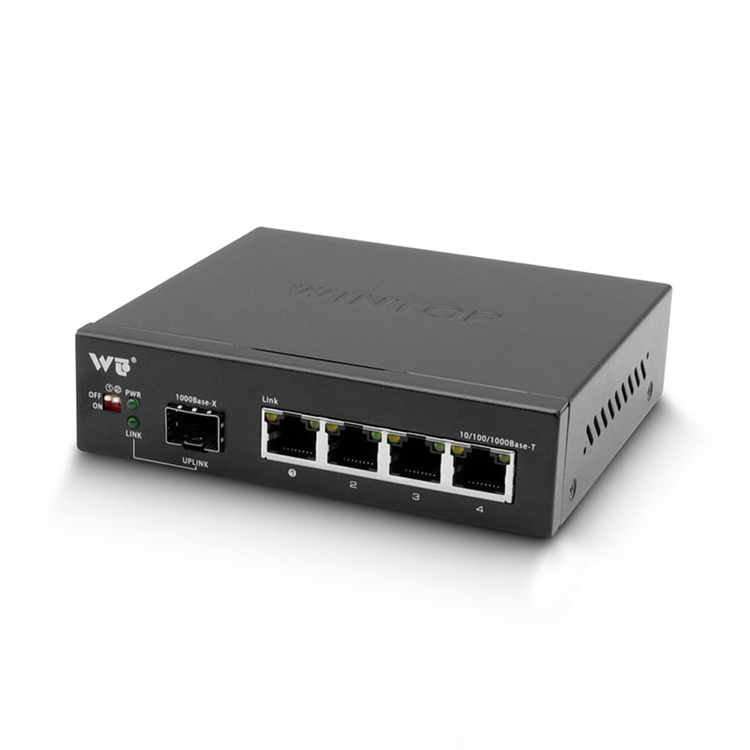
Four ports force deliberate topology choices. Instead of cascading large switches you get predictable paths: uplink, two downstream devices, and a spare or management port. That maps cleanly to machine cells where one PLC, one camera or drive, and a gateway commonly share a segment. Downsides include fewer native ports and limited PoE budgeting for cameras; gains are lower collision domains and simpler VLANing. For systems that require many endpoints, stacking multiple four-port units or using SFP uplinks is a cleaner, modular option than a single big switch.
Latency, redundancy and real-world testing
Latency and failover behaviour are where the four-port design shows its value. Short, local switching paths reduce microsecond-level latency compared with larger, hierarchical trees. Redundancy becomes local and explicit: ring or paired four-port units keep critical devices close to a failover path. These are not theoretical benefits — companies benchmarking networked control in facilities such as Siemens’ Amberg Electronics Plant frequently highlight the importance of short, deterministic paths for machine-to-machine traffic and predictable Profinet bursts. Fiber optic links between cells further isolate electrical noise and protect sensitive I/O from ground loops.
Deployment patterns and wiring hygiene
Installed correctly, four-port switches improve maintenance and change control. Teams can replace a single cell switch without touching other cells. SFP-based uplinks and media converters address distance issues; for example, use an SFP uplink to reach a central spine and an SFP port with a gigabit fiber media converter for an off-site machine. Better wiring hygiene also simplifies firmware and VLAN policies — fewer ports per unit means less chance of an untracked device on the wrong VLAN.
Common mistakes to avoid
Operators often under-spec the management port or forget PoE budgets — both lead to field failures. Another mistake: relying solely on unmanaged four-port units where a managed variant would allow basic QoS and link monitoring. Finally, a single fiber path without alternate routing is a risk; always design at least one redundant uplink or a failover plan. — These oversights are predictable but avoidable with a short checklist during commissioning.
When to choose a different topology
If the cell has more than six active endpoints or heavy east-west traffic, a small chassis or a compact 8‑port managed switch may be the better fit. For distributed sites with long runs, prioritize fiber and SFP modules early in the design. But for many assembly or test cells the four-port approach balances cost, latency, and maintainability — and it integrates cleanly with media converters when fiber is required.
Golden rules for selection
1) Measure real load patterns: prefer switches whose packet handling and latency match your control cycle. 2) Verify physical interfaces: ensure available SFP or fiber ports to use a 1g media converter where distance or isolation requires it. 3) Require basic manageability: at minimum, SNMP, link-state alarms, and VLAN support for predictable troubleshooting.
Closing advisory and a final note
Adopt these three evaluation metrics when choosing hardware: deterministic latency under expected load, clear redundancy paths (uplink and local), and appropriate interface types (SFP, copper, PoE) for your devices. Expect measurable improvements in uptime and mean time to repair when cells use modular four-port devices combined with targeted fiber links. WINTOP fits naturally into that model by offering compact switches and media conversion options that match cell-level needs — practical hardware for practical teams. –