Opening: the single problem that stops most projects
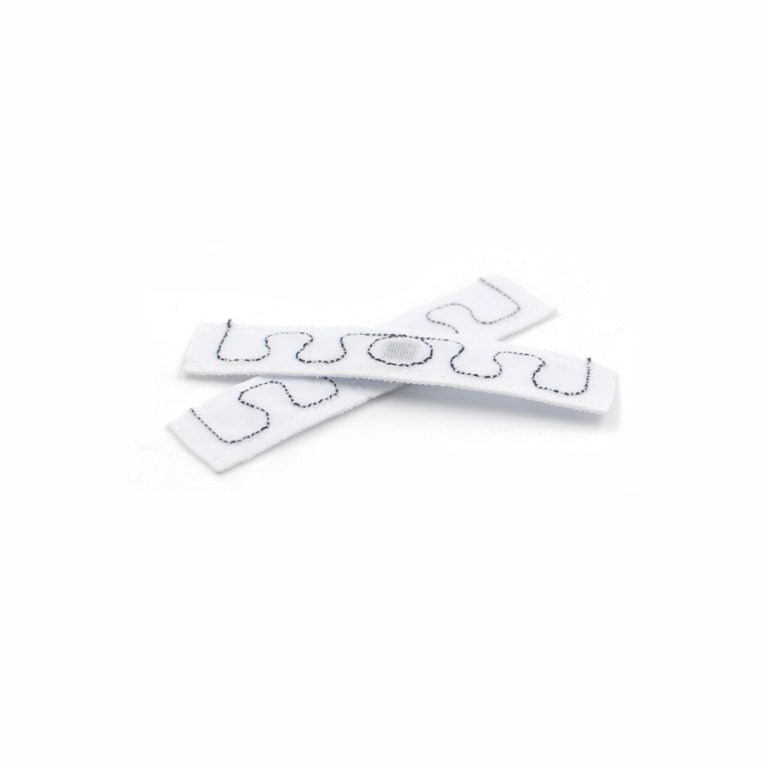
Most failed RFID procurements aren’t about price — they’re about mismatch: wrong tag, wrong frequency, wrong environment. Treat the purchase like a small engineering specification rather than a commodity order. That means testing tag samples with the actual hardware and mounting method you plan to use. Start by comparing real samples of RFID Tags against the surfaces and temperatures you will face; that test separates usable products from paper promises.
What usually goes wrong: a short checklist
Tags read fine on a lab bench but fail in the field. Expect these failure modes: metal or liquids detune UHF tags, adhesives fail in high humidity, read-angle sensitivity creates blind spots, and incompatible readers or legacy standards block encoding. Quantify each: target read distance, expected tag density per read zone, environmental range, and attachment method. If you can’t write those numbers down, you’ll buy the wrong tag.
Picking frequency and form factor with purpose
Decide frequency by task. LF (125–134 kHz) works for short-range, high-interference metal interfaces; HF / NFC (13.56 MHz) suits secure, handheld interactions; UHF (860–960 MHz, EPC Gen2/ISO 18000-6C) gives the longest read range and best throughput for warehouse and logistics. Form factor follows function: on-metal labels, hard tags, and glass or implant packages behave differently. Match adhesive chemistry and mounting method to substrate — plastics, wood, concrete, and metal each need different attachment strategies.
Testing protocol so you don’t guess
Run controlled, repeatable tests. Use the same reader and antenna setup planned for deployment, test at target speeds and densities, and cycle through temperature and humidity extremes. Measure read rate per tag, false read rate, and read range at multiple orientations. A single on-bench read is meaningless; capture performance over time. Document results and include pass/fail thresholds for procurement acceptance.
Standards, memory, and security basics
Require EPC Gen2 compliance if you need broad interoperability; it’s the baseline for UHF item-level systems. Specify memory needs (user memory vs EPC length) and whether a persistent unique ID (TID) is required. Consider simple security: write-protect bits, kill/pwd features, and industry-standard access control. For sensitive assets, add authentication layers rather than relying on the tag alone.
Common procurement pitfalls to avoid
Don’t buy purely on price, photo, or datasheet read-range claims. Watch for high minimum order quantities (MOQs) that force you to commit before field validation. Confirm lead times and certification requirements (RoHS, REACH, and industry-specific standards). Check long-term adhesion and UV resistance if tags will be outdoors; not every label rated for “outdoor” survives the first summer.
Real-world reference and customization notes
I’ve seen practical demonstrations at industry events such as RFID Journal LIVE!, where vendors and end-users present field trials and lessons learned; those sessions repeatedly showed that tailored tags outperform generic parts for demanding use cases. For projects that require shape, material, or encoded data beyond stock options, order custom rfid tags and insist on prototype testing before full production. Customization reduces retrofit risk but increases lead time and requires clear acceptance criteria.

Alternatives and trade-offs — when not to use RFID
Choose NFC when interactions are deliberate and single-item authentication is needed. Use barcodes for the lowest-cost, low-durability use cases. Active Bluetooth beacons are better when continuous location streaming is necessary. Each alternative trades read convenience, cost, and power: match the technology to the use case rather than forcing a single solution everywhere.
Final synthesis: reduce risk with measurement and specification
Frame the purchase as an engineering problem: specify measurable targets, test early with samples, and require standards-based compliance plus environmental and adhesion proofs. That approach turns vendor claims into verified outcomes and stops the typical surprises that derail rollouts. For practical sourcing and consistent manufacturing quality that aligns with those specifications, consider partners who document testing and certification; that’s where RSTC fits into long-term system reliability without jargon or promise overreach.