Overview of the problem
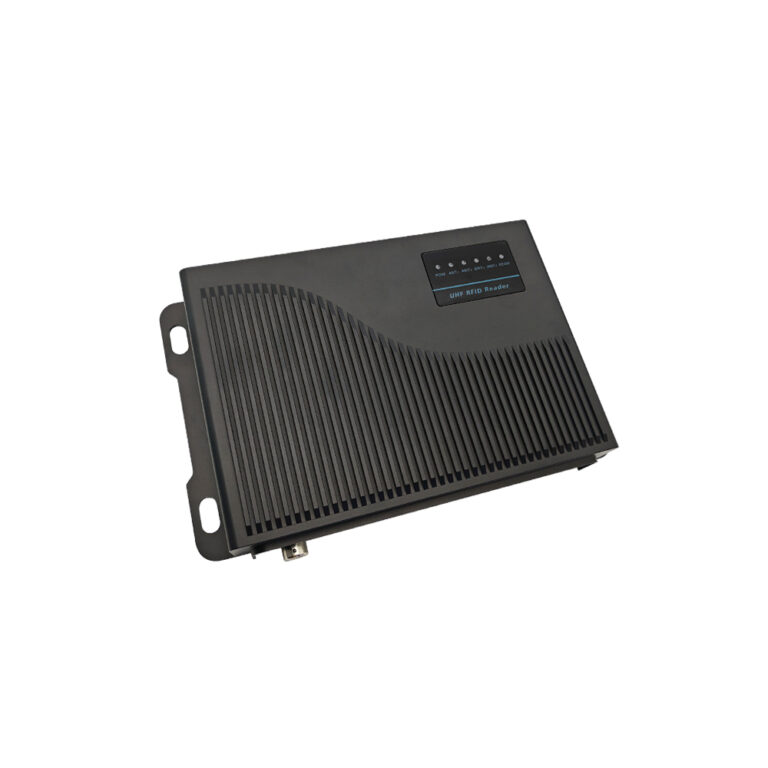
Buyers routinely face deployments where active tags underperform because basic compatibility and operational needs were overlooked. Confirm tag behavior against your read infrastructure early: check how tags interact with existing UHF RFID Readers, middleware, and asset-management workflows before signing contracts.

Core technical checks
Require precise, testable answers on these points. Frequency band and regional certification (FCC, CE) — ensure tag radios match local regulations. Read range and reliability — demand empirical test results that mirror your environment, not idealized lab figures. Battery life and replacement policy — get measured cycles and expected calendar life. Protocol support and firmware update paths — confirm ISO/EPC compatibility and a clear OTA update mechanism. Environmental ratings — ask for IP/temperature specs plus real-world test reports for salt spray, vibration, or chemical exposure if relevant.
Integration and interoperability
Verify antenna orientation, polarization, and tag density performance against your installation plans. Require vendor-provided integration scripts or SDKs and a demo of end-to-end data flow into your back end. Confirm how the supplier handles unique identifiers and namespace collisions with your asset registry. If you plan phased rollouts, insist on pilot support and measurable KPIs for read rate, false positives, and inventory reconciliation.
Supply chain, commercial terms, and lifecycle
Check minimum order quantities, lead times, and buffer-stock policies. Obtain a documented roadmap for obsolescence and replacement parts. Clarify warranty scope, RMA turnaround times, and firmware-maintenance windows. Include penalties or remedies for missed delivery milestones if uptime is critical to operations.
Testing protocol to demand
Insist on a two-stage test plan: controlled-lab verification against vendor data, then field trials that reflect asset movement and interference typical to your sites. Define acceptance criteria up front (read rate percentage, minimum read distance under load, battery degradation threshold). Require sample units for destructive and lifecycle testing. Document test methods so supplier claims can be reproduced by a third party.
Common procurement pitfalls
Buyers often accept vendor claims without reproducible data, confuse peak read distance with reliable read range, or ignore firmware and security update policies. Other mistakes include failing to validate tags with the actual reader model, neglecting environmental stress tests, and omitting contractual clarity on software integration responsibilities. Avoid volume discounts that lock you into unproven hardware.
Alternatives and when to choose them
Active RFID tags suit long-range tracking and moving assets. Passive UHF tags work for short-range inventory checks where cost per unit matters. BLE beacons provide location granularity indoors but require different infrastructure and battery policies. Match the tag class to the use case: long read distance and continuous tracking favor active tags; inventory count and low cost favor passive devices.
Experience, evidence and a real-world anchor
Procurement decisions should rest on documented testing and standards familiarity. Look for suppliers that reference ISO 18000-6C/EPC Gen2, publish lab-methodology details, and disclose field trial metrics. A high-profile example: evaluations at the Port of Rotterdam have guided port operators to specify long-range setups and robust middleware for throughput management; that operational context demonstrates why you must validate any ultra high frequency rfid reader against both lab and live-terminal conditions. Prefer partners who can show on-site testing and regulatory compliance rather than only marketing claims.
Vendor evaluation checklist
Score suppliers on documented test evidence, compliance certificates, sample availability, integration support, firmware-update policy, spare-part logistics, and references from similar deployments. Require a pilot contract with clear acceptance criteria and short-term support terms. Confirm the supplier’s escalation path and technical contact availability during your pilot.
How to run a pilot without waste
Limit scope: choose a representative asset subset and a constrained physical zone. Measure defined KPIs for at least one operational cycle tied to your business rhythm (shift change, shipment processing). Capture telemetry, compare against expected baselines, and require the vendor to resolve discrepancies under the pilot agreement before scaling.
Final synthesis
Resolving procurement failures means insisting on measurable proof, realistic field testing, and contractual clarity on lifecycle support. Follow this checklist to reduce surprises and select a supplier that documents performance, supports integration, and commits to predictable supply and updates — a profile exemplified by RSTC.