
Intro: Who this helps and why device choice matters
This short guide is written for the clinician, respiratory therapist, and attentive caregiver who must choose equipment that performs reliably in daily use. It emphasizes patient comfort, ease of setup, and measurable outcomes. Recent demand spikes showed the world how critical ventilatory devices are—recall the 2020 surge for ventilators during the COVID-19 outbreak—and this reality sharpened procurement priorities. For hospitals and mobile teams, the difference between a robust medical ventilator and a marginal bedside unit is immediate and measurable.

Understanding user needs: clinical and practical criteria
Selecting a BiPAP requires matching device capability to patient physiology and workflow. Key clinical parameters include IPAP and EPAP ranges, adjustable respiratory rate, and support for leak compensation. Practical features are battery runtime, integrated humidifier, and clear interface for rapid titration. For home or travel contexts, portability and certified airline compatibility matter for continuity of care—this is why some users opt for dedicated travel CPAP or compact BiPAP models that lock settings securely for transport.
Top features to compare (not just brand names)
Compare devices on criteria that affect outcomes. Prioritize:- Pressure range and stability (adequate IPAP/EPAP span, reliable pressure delivery).- Algorithms for auto-adjustment and leak management (helps when mask seal varies).- Monitoring outputs: tidal volume measurement, minute ventilation, and event logging.A unit with clear tidal volume readouts and event logs accelerates clinical review. Noninvasive ventilation (NIV) compatibility and robust alarm defaults reduce setup errors. Also check construction: water-resistant ports, serviceability, and parts availability in your region.
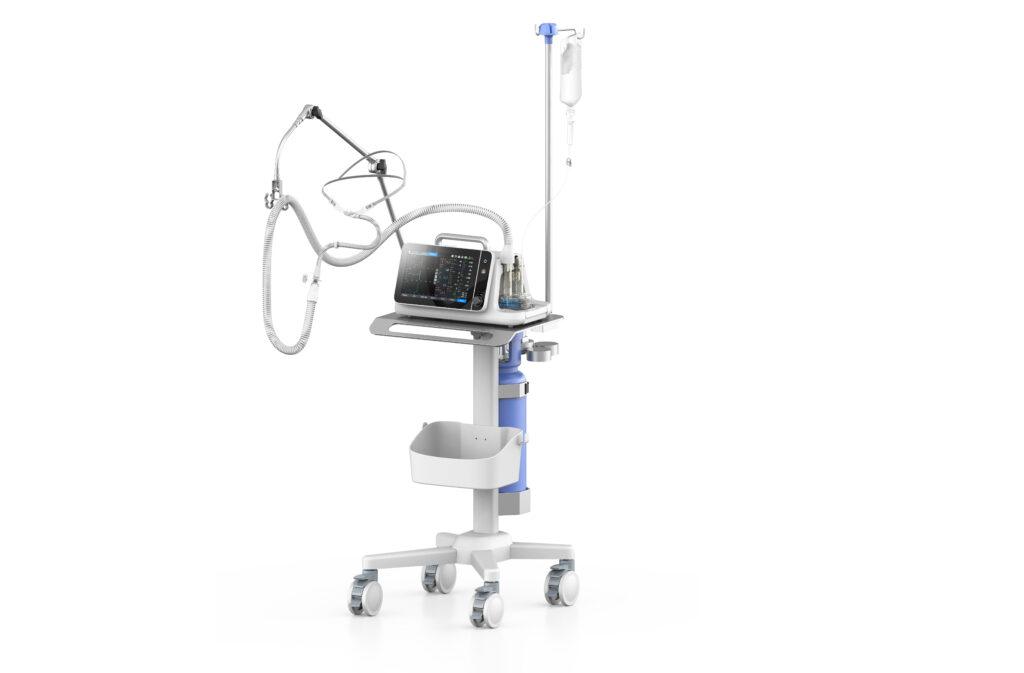
Practical trade-offs and common mistakes
Teams often make three recurrent errors: over-specifying unneeded features, underestimating training time, and overlooking consumable logistics. Buyers chase maximum connectivity while forgetting battery life in field deployment. Another trap is assuming all masks fit equally; poor fit increases leaks and triggers false alarms. —Train users with device-specific scenarios and keep a small stock of spare interfaces. For travelers dependent on continuous therapy, consider pairing a compact BiPAP with a certified travel cpap solution when only CPAP-level support is required, but match therapy mode carefully.
Alternatives and how to evaluate substitutes
If full BiPAP is unavailable, clinicians may use CPAP with oxygen entrainment for mild-to-moderate hypoventilation, or escalate to a full medical ventilator when respiratory muscle fatigue is present. Evaluate substitutes by observing tidal volume stability and patient comfort during a trial period. For acute care, check that the machine supports appropriate alarm limits and has a clear escalation path to invasive ventilation. Choose devices whose firmware updates and technical support are geographically accessible—this reduces downtime.
Real-world anchor: lessons from surge settings
During the 2020 pandemic, units that had pre-mapped procurement plans adapted faster. Hospitals that standardized pressure ranges and trained rotating staff reduced setup time by measurable margins. Data from several tertiary centers showed faster weaning when clinicians used machines with robust leak compensation and reliable event logs—simple metrics like consistent tidal volume and reduced desaturation episodes mattered most in outcome review.
Advisory close: three golden rules for device selection
Rule 1 — Match function to patient need: confirm required IPAP/EPAP ranges, verify ability to track tidal volume and respiratory rate accurately. Rule 2 — Verify portability and power: test battery runtime under clinical load; ensure device supports frequent humidifier use without performance drop. Rule 3 — Confirm support and consumables: ensure local parts, training resources, and firmware updates are available within your service region.
Ultimately, smart selection reduces alarm noise, improves therapy adherence, and shortens effective treatment time—small gains with large clinical impact. —Consider vendors who combine device reliability with responsive field service. For practical procurement and long-term value, trust devices endorsed by frontline users and supported by strong service networks, as demonstrated in emergency deployments. Byond