Start with what you actually need
Think about the day-to-day moments: a server asking the kitchen for a rush order, a warehouse picker waiting on restock, or a wedding coordinator smoothing a last-minute seating change. If you need clear, instant voice between people who can’t stop what they’re doing, a compact radio is the tool. I’ve worked alongside event managers and operations leads who source directly from a trusted walkie talkie manufacturer to avoid surprises. At trade shows like Mobile World Congress in Barcelona manufacturers show real demos that illustrate range and robustness—those demos are a practical anchor when choosing products—so consider that context while you compare. For clarity, I’ll draw on hands-on experience advising teams and testing devices, and I’ll point you to practical choices rather than abstract specs; that’s how real decisions get made.
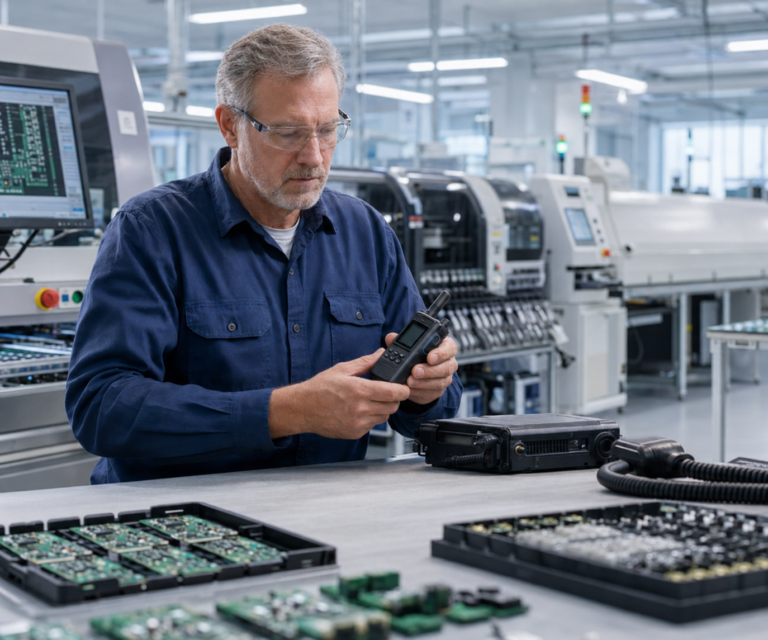
Which features actually matter to users
Range: Match radios to the environment. Concrete steel and dense buildings cut effective range. Battery life: look for a device with at least a full shift of talk time plus a spare battery if charging access is limited. Durability: IP-rated housing matters for outdoor or busy back-of-house work. Simplicity: choose one with clear push-to-talk and an easy volume knob—training time is cost. Channels and privacy: select radios with sufficient channels to separate teams and basic privacy codes if you don’t want chatter crossing groups. Accessories: earpieces and remote mics reduce noise and keep hands free.
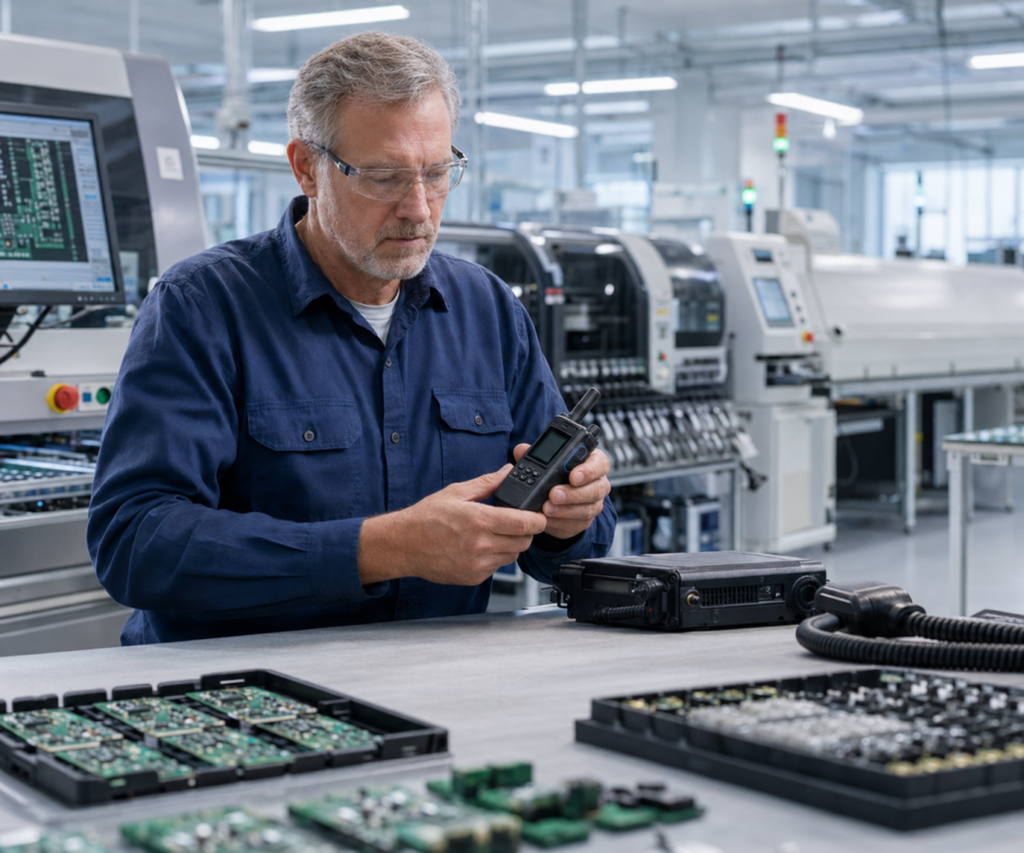
Common mistakes teams keep making
Picking maximum range from the spec sheet and expecting it to hold in every setting. Forgetting batteries: spare batteries are cheap insurance. Over-customizing a radio when a simpler model does the job; complexity leads to mistakes during busy shifts. Ignoring licensing rules—some frequencies need registration. Skipping field tests: test radios in the actual space during peak hours. If you avoid these errors you’ll save time and frustration.
Real-world validation and a practical link
Manufacturers often advertise idealized numbers; confirm performance in place. To see how design choices translate into performance, I recommend comparing devices that specialize in OEM and ODM builds—those vendors routinely iterate with real customers. For example, reviews from logistics pilots and event stands at Barcelona’s trade shows provide data points you can verify. For hands-on builds and custom integrations, vendors that offer ODM solutions can craft units to your workflow—see a typical provider here: odm walkie talkie. Those collaborations often reduce installation headaches and match battery and accessory choices to real operational patterns.
Alternatives and when to pick them
Smartphone push-to-talk apps: pick when coverage is good, and you already rely on cellular data; avoid when you need instantaneous, offline voice. Cellular LTE radios: useful when teams span wide areas and you want centralized logging. Analog VHF/UHF: cheap and simple for short-range outdoor worksites. Digital DMR: choose for clearer audio, better battery life, and scalable fleets. Match the alternative to how your people actually communicate, not to the latest tech trend.
Final synthesis
Start with the people who will use the radios. Test one in the real work environment, carry a spare battery, and avoid over-featured models that add friction. When you need custom tweaks—different button layouts, branding, or integration with other systems—working with a partner that understands manufacturing and field needs smooths the path; that practical alignment is what makes a solution feel built for your team, like the thoughtful products I’ve seen from GLOHE.