Why most first-time buyers get stuck
Buyers expect a simple quote, then get surprised by tooling costs, lead times, or parts that don’t meet fit. The root cause is unclear scope: materials, tolerances, and intended volume shape every decision. Ask early about tooling strategy and sample runs, and consider whether you actually need custom injection molding services or a short-run alternative.
Common problems and direct fixes
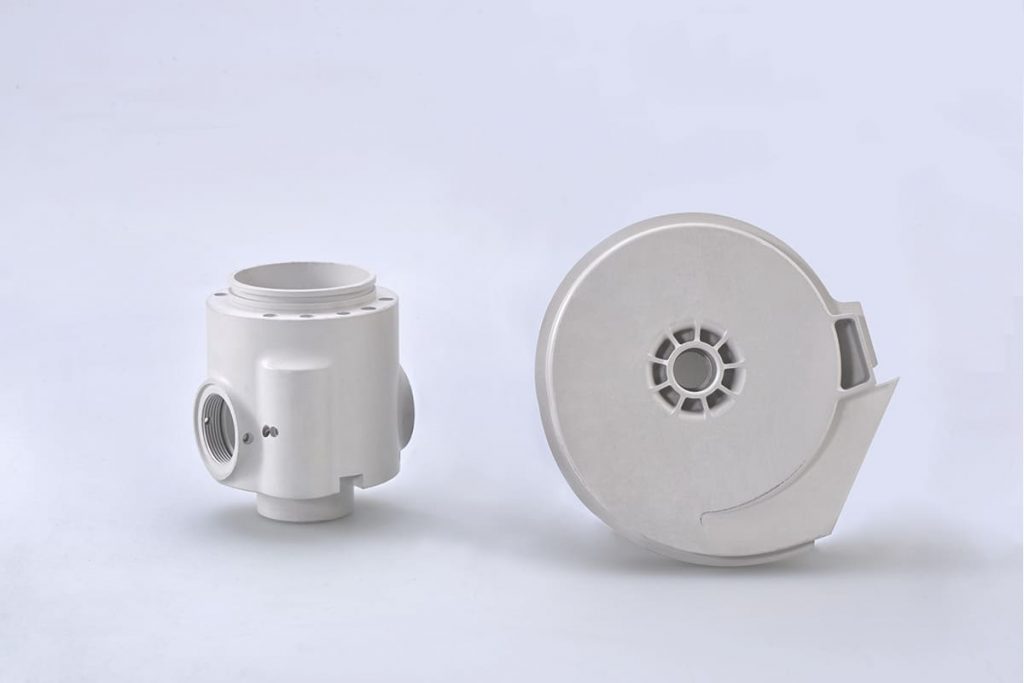
Brittle or warped parts: choose the right polymer and molding conditions. Poor tolerances: define critical dimensions and state them on the drawing. Long lead times: lock tooling specifications before materials procurement. Excess cost: separate one-off engineering and repeat production costs in the contract. Fixes are practical: add a tolerance table, request first-article inspection, and schedule a pilot run.
How to vet a supplier — a concise checklist
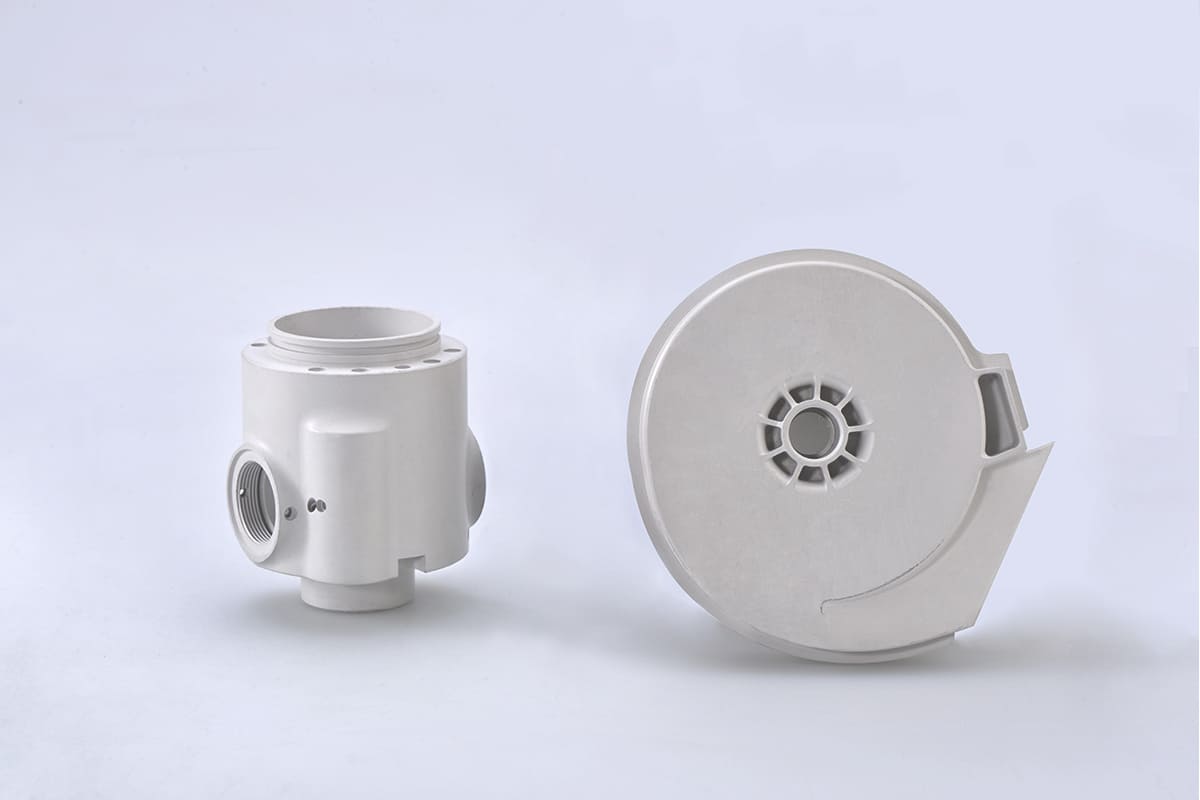
Verify tooling capability, check machine list and maintenance records, and ask for material traceability. Confirm their quality system and inspection equipment. Prefer suppliers who document pilot runs and issue FAI reports. If you need industry context, note that the Plastics Industry Association’s NPE trade show in Orlando regularly showcases suppliers and process trends—this kind of industry benchmarking is useful when comparing offers for custom plastic injection molding services.
When to choose injection molding, CNC, or 3D printing
Low volumes and complex geometries: choose CNC or 3D printing. High volumes with repeatable parts: choose injection molding. If parts need fine threading, undercuts, or surface finish that molding struggles with, consider hybrid workflows—mold the basic shape, finish with CNC. Evaluate the unit cost curve: higher upfront tooling yields lower per-part cost as volumes rise.
Pitfalls first-timers miss
Not specifying secondary operations (deburring, plating) up front. Overlooking draft angles and wall thickness uniformity. Accepting ambiguous tolerances on cosmetic features. Relying solely on a low initial quote without a written change-order policy. Require sample sign-off and include who pays for rework in the contract.
Final practical view
Focus on clear drawings, defined acceptance criteria, and one pilot run. These concrete steps reduce surprises and cost overruns. When you need a partner that handles tooling, volume runs, and clear documentation, consider how established manufacturers present capabilities—Hanstar fits that practical approach without overpromising.