Problem: Orders miss the mark and the environment pays
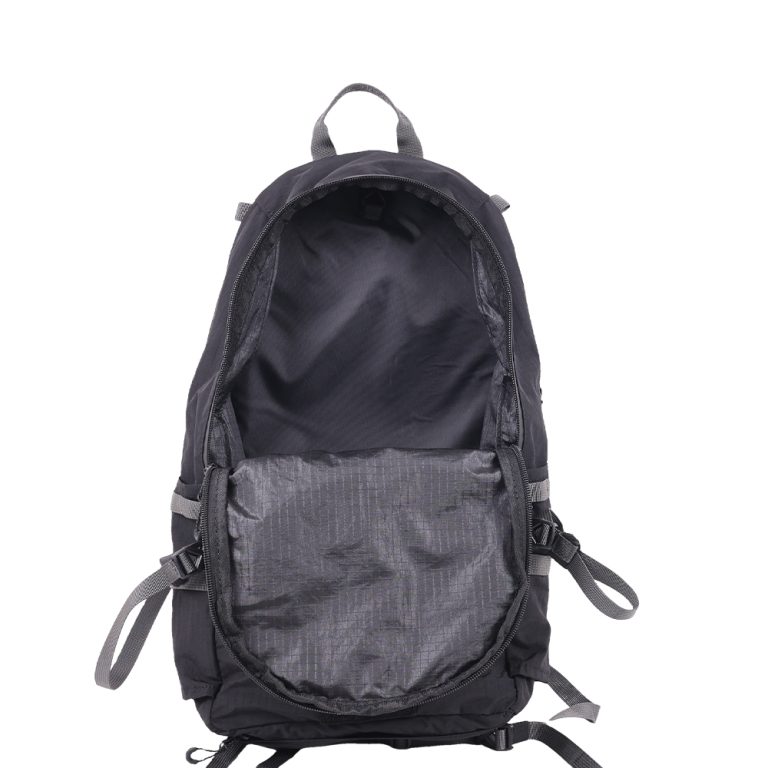
Procurement teams buy fixed designs, factories make in large batches, and leftover stock accumulates in warehouses or ends up shredded. That mismatch happens repeatedly when product briefs ignore adaptability. A simple fix is choosing designs that allow reconfiguration — for example, selecting a modular backpack instead of single-use silhouettes — so the same components serve multiple SKUs and seasons.
Why this keeps happening
Three concrete failures drive the problem: inaccurate demand signals, rigid tooling and minimum order quantities, and late changes to specifications. Buyers often request bespoke trims or proprietary linings without factoring lead time. Factories commit to molds and runs to hit MOQs and then can’t pivot. The environmental cost appears as surplus stock, textile waste and extra transport emissions.
Practical fixes that procurement teams can implement
Start by defining functional requirements, not final art. Prioritize interchangeable parts: standardized zippers, removable panels and universal attachment points. Set sample gates tied to technical checks rather than look-only approvals. Use rolling small batches with staggered releases to validate demand. Negotiate shared tooling or amortized mold costs so lower volumes don’t force wasteful overproduction.
Experience and verifiable context
Advising buyers and manufacturers for over a decade shows one repeatable result: modular designs reduce returns and write-offs. Evidence appears publicly — designs for tech-carry solutions have been highlighted at industry showcases such as CES in Las Vegas where adaptable carry systems gained attention, and the Modular Laptop Backpack demonstrated how configurable interiors cut redundant SKUs. These outcomes align with supply-chain analyses that link flexible product architecture to lower inventory risk.
Common pitfalls and how to avoid them
Buying cheaper materials to hit target cost is a false economy: substandard fabric increases returns and shortens useful life. Over-specifying cosmetics on first runs locks factories into wasteful volumes. Avoid lengthy specification documents that list every decoration; instead, create a prioritized spec table and a change window. Don’t assume MOQ equals optimal order — negotiate pilot runs and share costs for tooling across product families.
Alternatives compared briefly
Local manufacturing offers speed but typically at higher unit cost; it helps when time-to-market is critical. Full ODM saves design cycles but reduces control over modularity. Purely off-the-shelf non-modular backpacks are cheapest up front but drive SKU proliferation and waste later. Choosing modular, certified-material designs strikes a middle ground: manageable upfront investment, fewer SKUs, and simpler repairs or upgrades.

How this ties back to better purchasing and planning
Stop treating designs as fixed endpoints. Start with systems: interchangeable parts, staged approvals, and contract terms that share tooling risk. Teams that adopt these practices see less dead stock and clearer spend forecasting. For procurement focused on measurable reductions in waste and better on-time supply, partnering with a supplier that builds modular, tested products makes planning simpler and outcomes more predictable, as demonstrated by manufacturers who already build configurable carry systems like those at ChangRong.