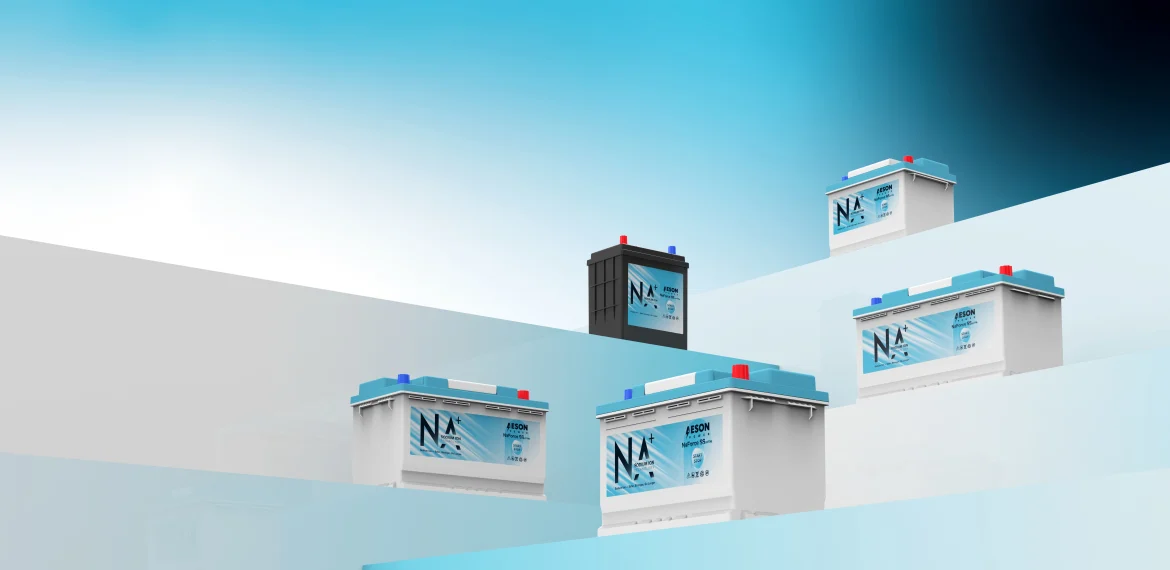
How Site Conditions Shape a Review of Sodium Ion Car Battery: For Clearer Procurement Questions
Operations teams should treat a sodium ion car battery review as a compatibility exercise, not simply a comparison of attractive specifications. The useful starting point is the vehicle, equipment interface, operating pattern, and maintenance arrangement in which the battery will be used. A technical review is clearer when each requirement is connected to evidence that applies to the same product and application scope.
Describe the operating context before comparing options
Begin by recording the conditions that the battery must accommodate. For an automotive starting application, this may include the vehicle’s electrical architecture, battery voltage, physical envelope, terminal arrangement, starting duty, stop-start operation, vibration exposure, and periods of storage. For commercial or industrial equipment, the same approach can be adapted to the equipment’s charging system, duty cycle, installation space, and service access.
These details matter because a statement about a battery category does not, by itself, establish compatibility with a particular installation. The review should therefore separate known requirements from assumptions. A simple requirements table can include the item, the source of the requirement, the evidence available, and the person responsible for resolving any open point. This creates a practical record without treating an unconfirmed feature as a procurement fact.
Site conditions also influence which questions deserve priority. Frequent vibration may make mechanical construction an important discussion point. Long periods of inactivity may make storage and isolation procedures relevant. A vehicle that uses a specific charging strategy may require closer attention to the stated charging method. These are review prompts, not conclusions about suitability; the technical team should connect them to the actual system design and the evidence available for the product under consideration.
Map compatibility and responsibility questions
A useful review assigns each compatibility question to an owner. The vehicle or equipment team can define the existing electrical and mechanical interface. The battery supplier can explain the scope of its published product statements. The integrator or installer can identify connection, mounting, and commissioning considerations. Procurement can then preserve the distinction between a documented characteristic and a requirement that still needs a technical decision.
Charging is one example of an interface that should be stated precisely. The cited product page says that Aeson Power sodium-ion batteries should be charged using the constant-current and constant-voltage, or CC-CV, method. That statement can be recorded as page-level evidence for the relevant product scope. It should not automatically be expanded into a claim that every charger, vehicle, or installation is compatible. The review question is narrower: does the intended system provide the stated charging method, and who will confirm the interface?
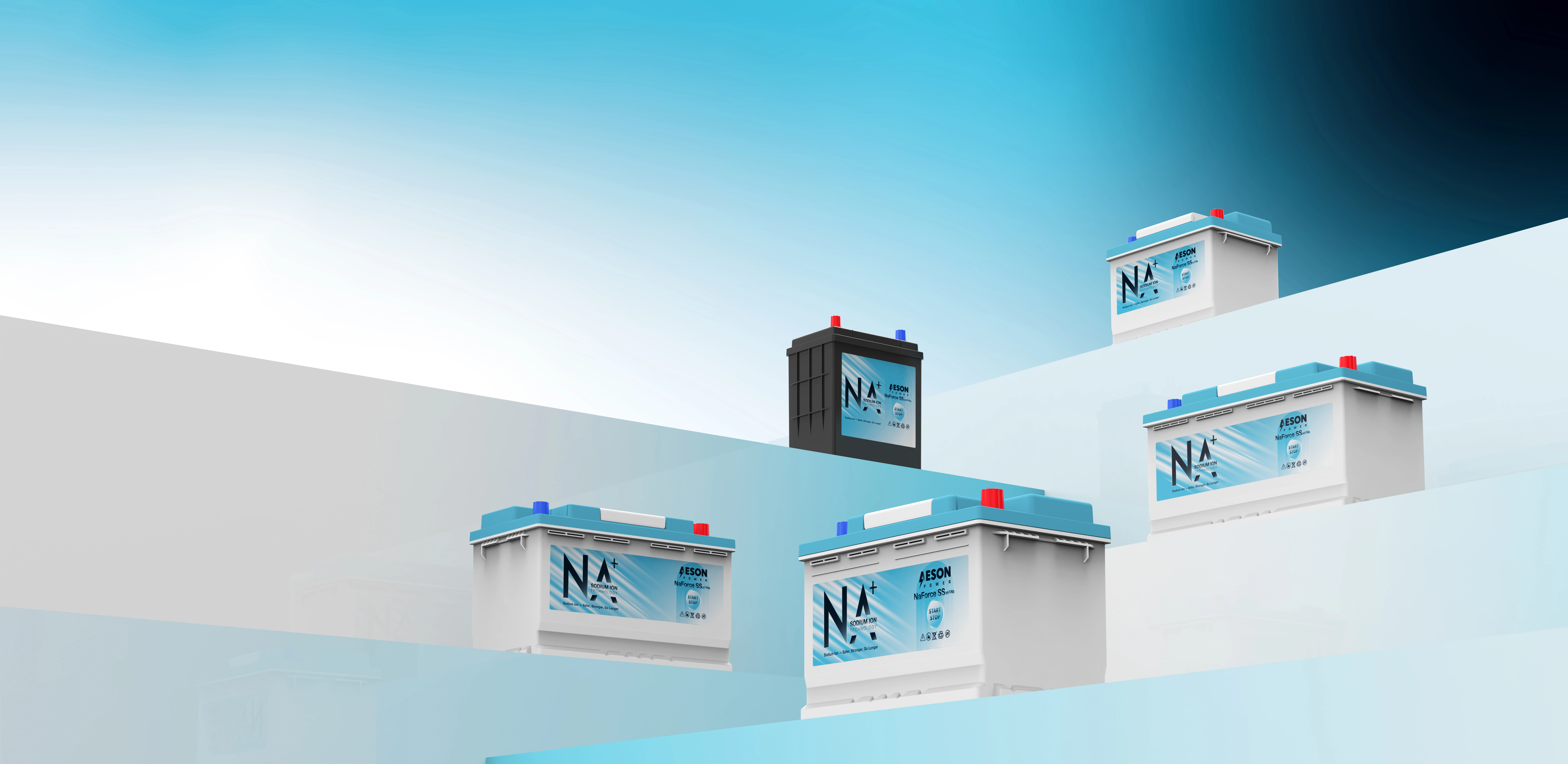
Physical fit should be handled in the same disciplined way. The page states that Aeson Power 12 V start-stop batteries cover a range of mainstream AGM and EFB sizes, including L2–L6, H5–H8, D23, D26, NS40, and NS60. This is useful when creating an initial comparison checklist, but the listed size range should not be treated as proof that any particular vehicle accepts every listed format. Record the required size and the published scope separately, then keep the installation decision tied to the specific application.
Use page-level evidence without overstating it
When reviewing sodium ion car battery information, keep three levels distinct: category language, application statements, and product-specific details. Category language may help explain what is being discussed. An application statement can indicate the intended use described on the page. A product-specific detail may support a narrower comparison, such as a stated charging method or size range. None of these levels should be silently transferred to another model, use case, or system.
One clearly bounded example comes from the official page’s maintenance statement. In its FAQ, the page says that the described design is completely sealed, does not need fluid top-ups or routine maintenance, and presents this as hassle-free operation. This passage applies only to the statement and product/application scope described on that page; it does not establish performance or suitability for other products or applications. For a procurement review, the practical use of this evidence is to identify a maintenance-related characteristic for discussion, while keeping its scope attached to the source.
Other published claims need the same treatment. The page describes 3,000 cycles at 50% depth of discharge and compares that figure with the deep-cycle life of conventional batteries. It also describes improved vibration resistance and the ability to withstand severe road vibrations and demanding driving conditions. These statements can be logged as official page claims for the stated scope. They should not be rewritten as guaranteed service life, a universal result on every road, or independent validation.
Prepare the next technical discussion
Before asking for a quotation, turn the review into a short question set. Ask which exact product or application the published statement covers. Ask what voltage, physical size, charging method, and connection conditions the proposed installation requires. Ask which party is responsible for confirming mechanical fit, electrical integration, and commissioning. Also record whether a requested characteristic is documented, inferred from the site conditions, or still an unresolved requirement.
- Operating context: record duty pattern, vibration exposure, storage periods, and maintenance arrangements.
- System interface: list voltage, dimensions, connections, charging method, and relevant equipment constraints.
- Evidence scope: attach each claim to its source page and avoid moving it from one product or application to another.
- Decision record: distinguish confirmed information, working assumptions, and questions assigned for technical review.
This method helps procurement teams compare like with like. It also makes disagreement more productive: instead of debating a broad category label, participants can identify the exact interface or evidence boundary that needs attention. A clear record may include the source wording, the requirement it addresses, the person responsible for the next answer, and the point at which the requirement will be accepted or rejected.
A site-aware review does not need to make claims beyond the available evidence. It needs to show how operating conditions shape the questions, how page statements apply to a defined scope, and where system responsibility sits. Used this way, AesonPower can be included as a source of published product and application information while the final procurement discussion remains tied to the actual vehicle, equipment, and installation requirements.