Why Muscle Cruisers Are Changing Faster Than You Think
Power is cheap; control is rare. Today’s muscle cruiser riders want grunt, range, and calm hands on rough streets. Picture an early-morning run down a cracked highway, a friend on a heavy V-twin sliding wide while you hold a clean line. In this space, the muscle cruiser bike isn’t just about big pipes and paint—it’s a package of balance, braking, and heat management. Numbers don’t lie: curb weights over 600 lb, torque spikes near 90 lb-ft, and riders reporting fatigue after 40 city miles. The torque curve hits hard, but the chassis and wheelbase need to keep it honest—funny how that works, right? So ask yourself: if you had the shove, the feel, and a cooler seat after an hour, would you ride longer and safer?

Here’s the twist. Most folks blame power, when the real enemy is inconsistency: jerky throttle, fading brakes, and hot spots near your legs. That’s the hidden tax on weekend fun. Ready to see what actually separates old-school brawn from smart brawn? Let’s stack the old playbook against the new approach and move forward.
Hidden Gaps in the Old-School Formula
What’s actually holding riders back?
Old muscle cruisers worship peak numbers, but riders live in the mid-range. When throttle mapping is too sharp off idle, you fight the bike in low-speed turns and traffic. Rake and trail might promise straight-line stability, yet tight U-turns feel like wrestling a fridge. Add heat soak from a high compression ratio on slow city runs and the ride turns from fun to grind. Look, it’s simpler than you think: you don’t need more power; you need smoother delivery and predictable grip. The pain points hide in the details—lever feel, seat heat, and how the rear shock handles a pothole at 25 mph.
Braking tells the same story. If ABS calibration kicks in late or too hard, confidence drops. If the rear brake lacks bite, you overuse the front, and the bike stands up mid-corner. That kills flow. Meanwhile, narrow bars plus a long wheelbase can slow inputs, so you work twice as hard for each correction. Riders don’t talk about it in tech terms, but they feel it every block. The fix is control layers that talk to each other: smarter fueling, more linear brake pressure, and suspension with usable travel—not just stiffer springs. That’s where the modern muscle cruiser starts to pull ahead.
Head-to-Head: Where the New School Pulls Ahead
What’s Next
The modern approach isn’t magic; it’s modular. Ride-by-wire and refined ECU firmware shape the first 10% of throttle, making parking-lot turns calm and clean. A balanced power-to-weight ratio keeps the punch without the wobble. Updated swingarm geometry and better shock valving hold lines over seams and patchwork asphalt. And yes, CAN bus integration lets systems coordinate—throttle, traction, and ABS talk instead of argue. Put that against the old recipe of peak power and chrome, and you get why the new setups feel planted at 35 mph and still pull hard at 65. This is where a well-sorted muscle cruiser motorcycle makes city rides shorter and weekends longer (and calmer).
Real-world proof stacks up. Smoother fueling trims wrist fatigue. Progressive front pads and braided lines keep lever feel steady after repeated stops. Wider but neutral bars speed inputs without twitch. You end up riding more, not harder—and that’s the kicker. We learned that pain comes from uneven responses, not raw torque. The fix comes from systems tuned to your habits, not just spec-sheet bragging. So, what’s next is clear: integration over escalation, finesse over flex, results over noise.
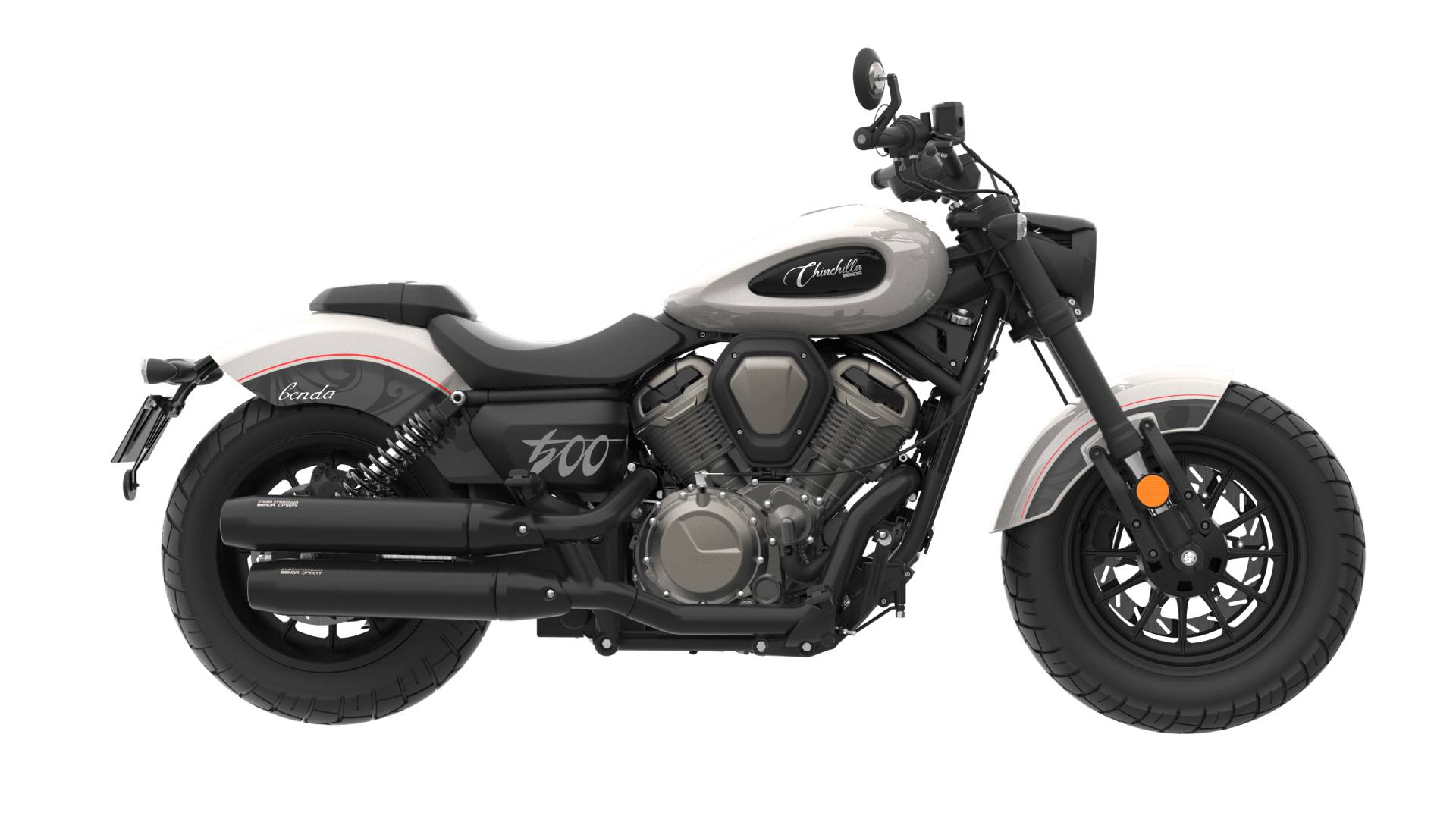
How to Choose What Actually Works
To separate hype from help, judge by three things. First, low-speed behavior: check for smooth first-touch throttle and stable clutch take-up; no head toss in slow turns. Second, thermal comfort: feel the panels and seat after 30 minutes of stop-and-go; heat should bleed off, not build up. Third, predictable stopping: look for a firm lever, straight-line stability, and ABS that whispers, not shouts. If a bike nails those, the rest—range, style, even top-end pull—falls in line. Advisory note: test the same route twice, swap order, and log how your hands and back feel. Simple, honest miles tell the truth—every time. For a grounded benchmark in this space, keep an eye on BENDA.