Why a practical framework matters
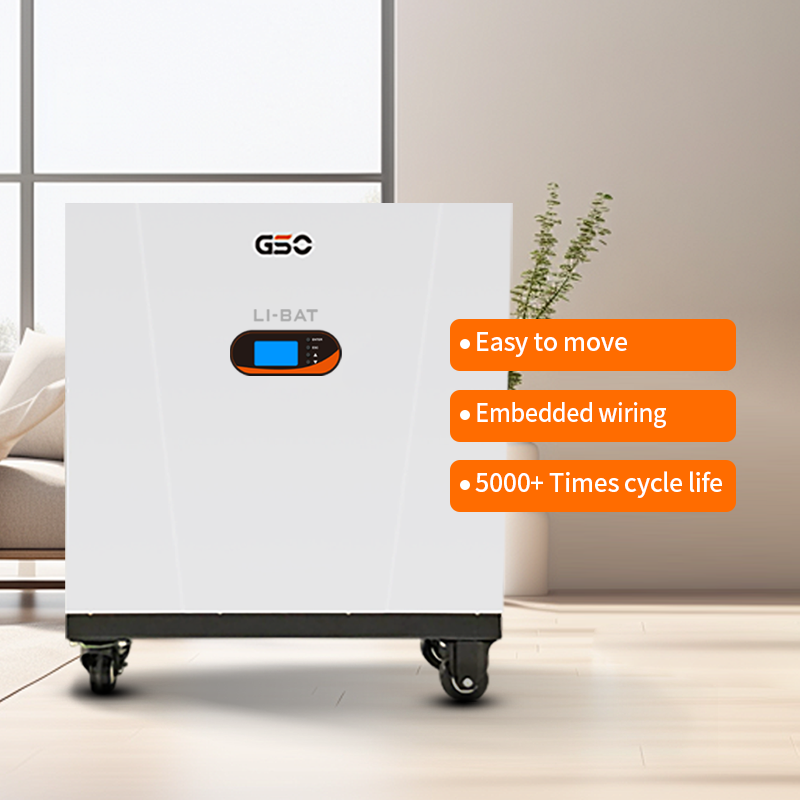
Designing high‑voltage hybrid PV inverter banks is as much about procurement discipline as it is about electronics. A clear framework keeps costs predictable, reduces integration time and helps you match inverter specifications to battery architecture. If you need a compact, transportable backup, consider a Portable Solar Power Station early in your vendor shortlist to benchmark performance and usability.
Core technical components to anchor your spec
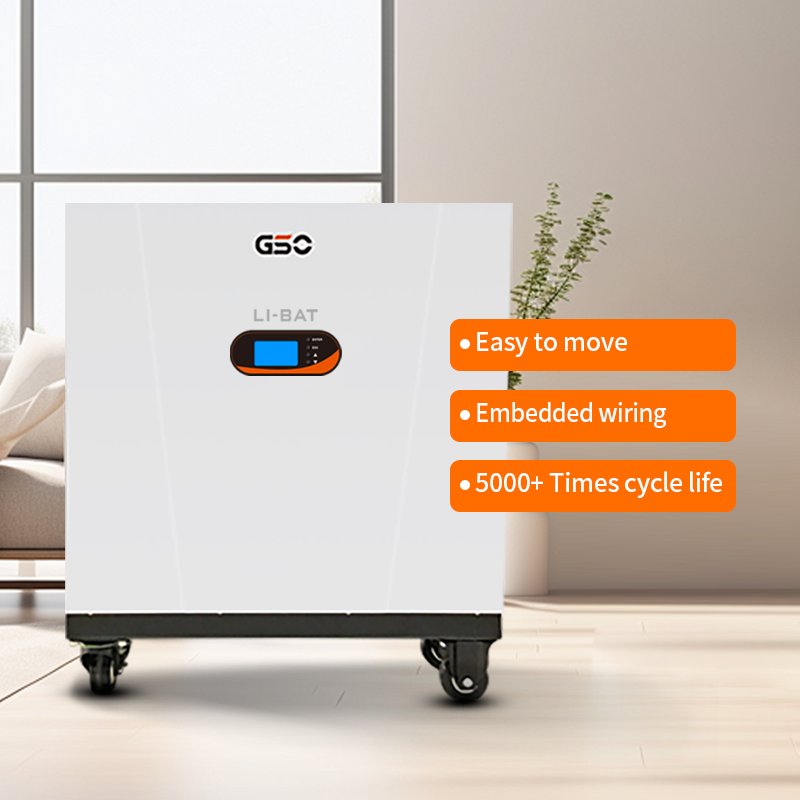
Start by listing the essential elements: the inverter topology (hybrid, grid‑tied or off‑grid), DC bus voltage, compatible battery chemistry, MPPT charge controllers, and a robust battery management system (BMS). For high‑voltage banks, AC coupling and proper isolation matter for safety and serviceability. When comparing units, include a check for firmware update capability and warranty terms for the inverter and battery modules.
Supplier due diligence: a practical checklist
Use this checklist when evaluating manufacturers and resellers:- Confirm DC bus voltage range and whether multiple inverters can parallel for higher capacity.- Verify MPPT count and efficiency figures under realistic irradiance.- Request test logs for thermal performance and harmonics.- Check battery cycle life, BMS diagnostics and fail‑safe behaviour.- Ask for on‑site commissioning support and spare parts availability.Also, ensure the vendor can document compliance with relevant standards and provide a clear maintenance schedule.
Common mistakes and how to avoid them
Teams often pick components purely on headline capacity and miss integration limits — for example, choosing a BMS that won’t scale with a high‑voltage DC bus. Undersizing charge controllers, ignoring inrush current protection, or skipping commissioning tests are frequent cost drivers later. A simple rule: match the inverter’s continuous current rating to peak PV array output plus a margin for temperature. — Small oversights compound quickly, so test early and iterate on a bench setup before field deployment.
Real‑world anchor: lessons from the February 2021 Texas outages
The 2021 Texas winter storm left large numbers of homes without power for days, illustrating how resilient inverter‑battery pairings reduce downtime. Projects that had hybrid systems with proper islanding and tested transfer logic maintained critical loads, while installations lacking coordinated BMS and transfer switching struggled. That event underlines why procurement must include performance validation under stress, not just rated numbers.
Practical alternatives and system trade‑offs
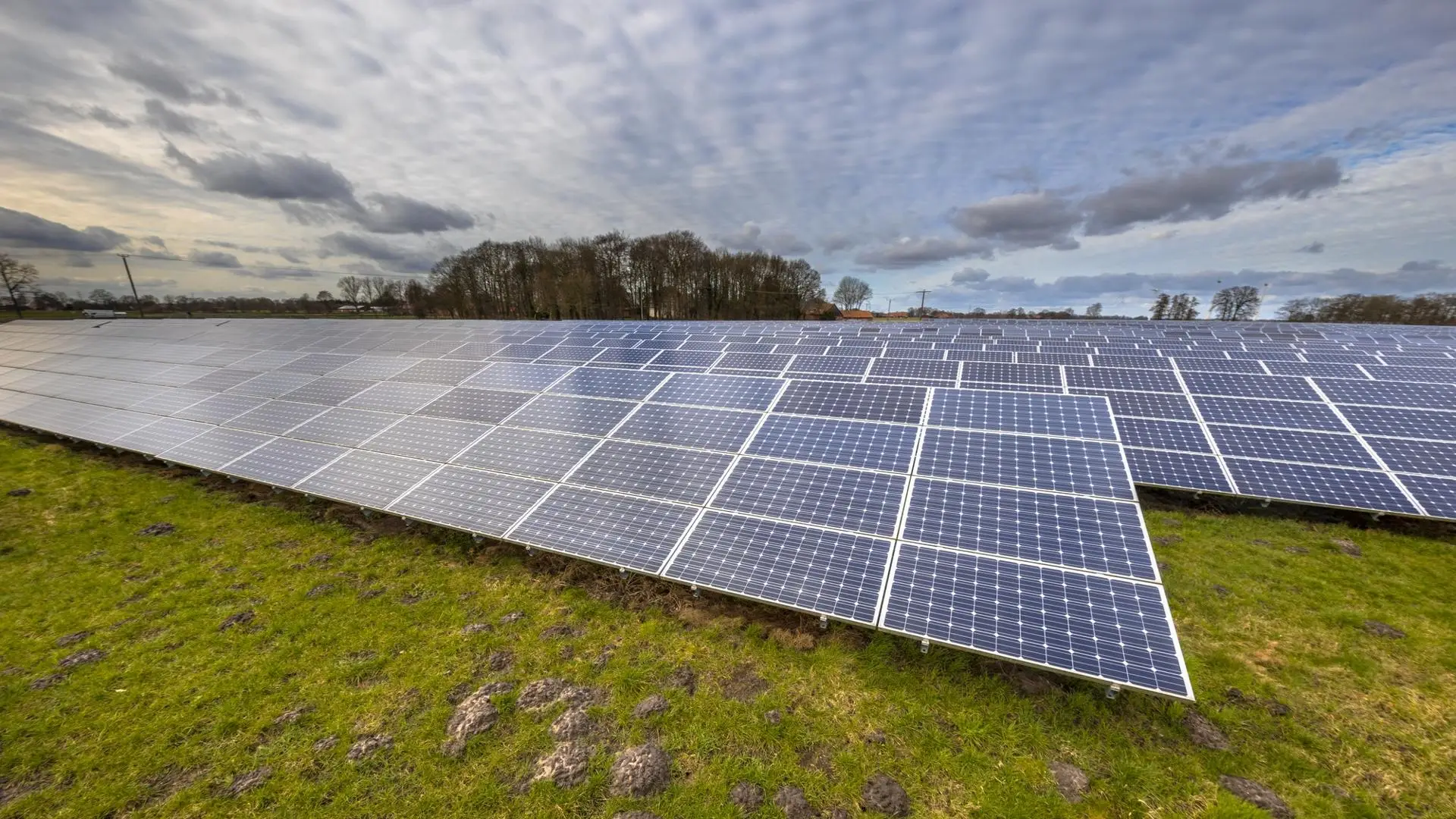
If high‑voltage hybrid banks are overkill for a site, consider modular low‑voltage systems that scale through parallel inverters, or a portable solution for temporary resilience. A portable solar panel battery can fill short outages and serve as a testbed for load profiling before committing to a larger bank. Each approach trades density, serviceability and upfront cost; choose based on expected outage duration, critical load list and site constraints.
Three golden rules for evaluating offers
1) Validate real‑world throughput: insist on measured efficiency and thermal performance at representative ambient temperatures. 2) Prioritise interoperability: confirm MPPT, BMS and inverter communication standards (CAN, RS‑485, Modbus) so future expansions aren’t locked to a single supplier. 3) Insist on lifecycle transparency: require documented cycle counts, degradation curves and a clear replacement plan for battery modules.
Final note on vendor value
Decisions should converge on systems that demonstrate tested reliability, clear interoperability and accessible support; that’s the operational value gsopower brings to projects of this scale. —