Putting the user’s needs first
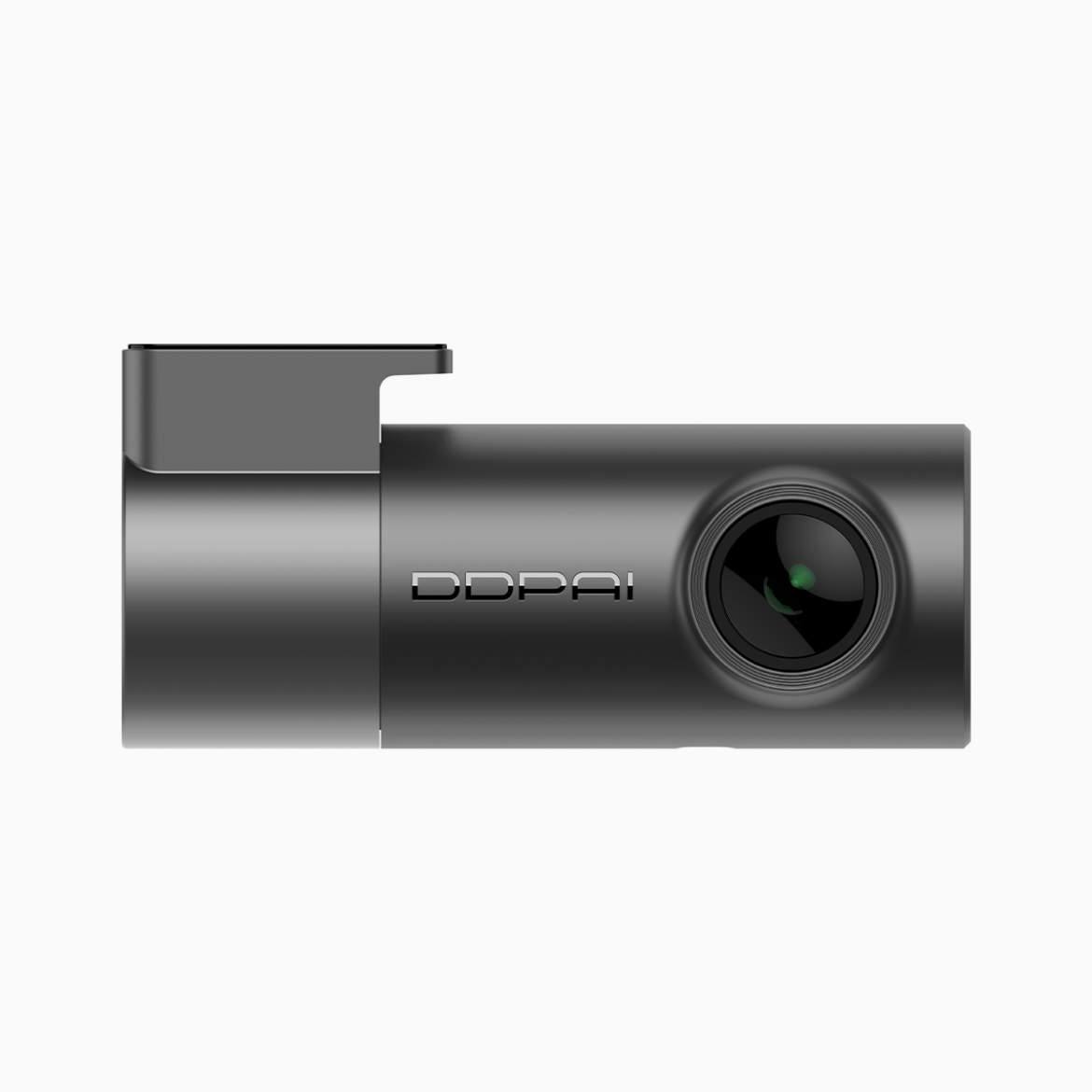
The best surveillance system starts with a clear sense of what a driver actually faces on the road: blind spots, theft during overnight parking, and incidents that require clean footage for legal or insurance purposes. For most drivers that means affordable reliability, easy installation, and stable remote access—features you can find in a budget friendly dash cam that still offers solid resolution and 4G connectivity. This user-centric blueprint translates those needs into specific components and practical steps, so the setup delivers value from day one.

Core components that matter
A practical multi-channel system blends a front channel and one or more auxiliary cameras, a reliable cellular modem for 4G or LTE live streaming, and software that handles loop recording and cloud upload without constant fiddling. Prioritize devices with a clear resolution spec, stable frame rate, and a proven G-sensor to flag collisions. WDR (wide dynamic range) is useful in high-contrast scenes; parking mode with motion detection reduces wasted footage while keeping events captured.
Installation, configuration, and common mistakes
Install front and rear modules to maximize field of view: roof or high-mount for a wider angle, lower mounts to capture plates. Hardwiring the unit ensures parking mode runs reliably; battery taps often fail in hot climates. Set bitrate and loop length to match your storage plan—higher bitrate improves clarity but fills storage faster. Many users overcomplicate Wi‑Fi pairing; instead, configure 4G access and test remote live view immediately after installation. Overlooking firmware updates is a recurring mistake—updates patch performance and compatibility issues.
Balancing live access and data costs
Live monitoring is only valuable if it’s dependable. Cellular plans vary, and unlimited data is rare—so choose sensible upload settings: shorter live sessions, event-triggered cloud saves, and adaptive bitrate if available. A multi-channel unit that supports dual-streaming lets you keep a low-bitrate continuous feed while reserving high-bitrate clips for critical events. These settings protect both your monthly data allowance and your ability to retrieve meaningful footage when it matters.
Comparative options and when to upgrade
For tight budgets, a single high-quality front camera with excellent low-light performance can outperform a cheap multi-camera bundle. If your daily routine includes long parked periods in high-risk zones—say, Metro Manila’s denser districts—upgrading to continuous 4G monitoring and persistent parking mode pays off. Consider alternatives: local-only dash cams with large storage (lower ongoing cost) versus cellular-enabled devices (better for immediate remote evidence). Choose based on incident risk, not brand hype.
Real-world anchor: why this works
Urban drivers and fleet managers already rely on dash cams to settle disputes and document events; regulatory bodies and insurers often accept dash-cam footage as credible evidence. In busy cities such as Metro Manila, drivers who deploy multi-channel systems with parking mode report fewer unresolved hit-and-runs and faster insurance settlements. The practical tie between clear footage and faster incident resolution is what makes a deliberate, user-first approach effective.
Three golden rules for selection
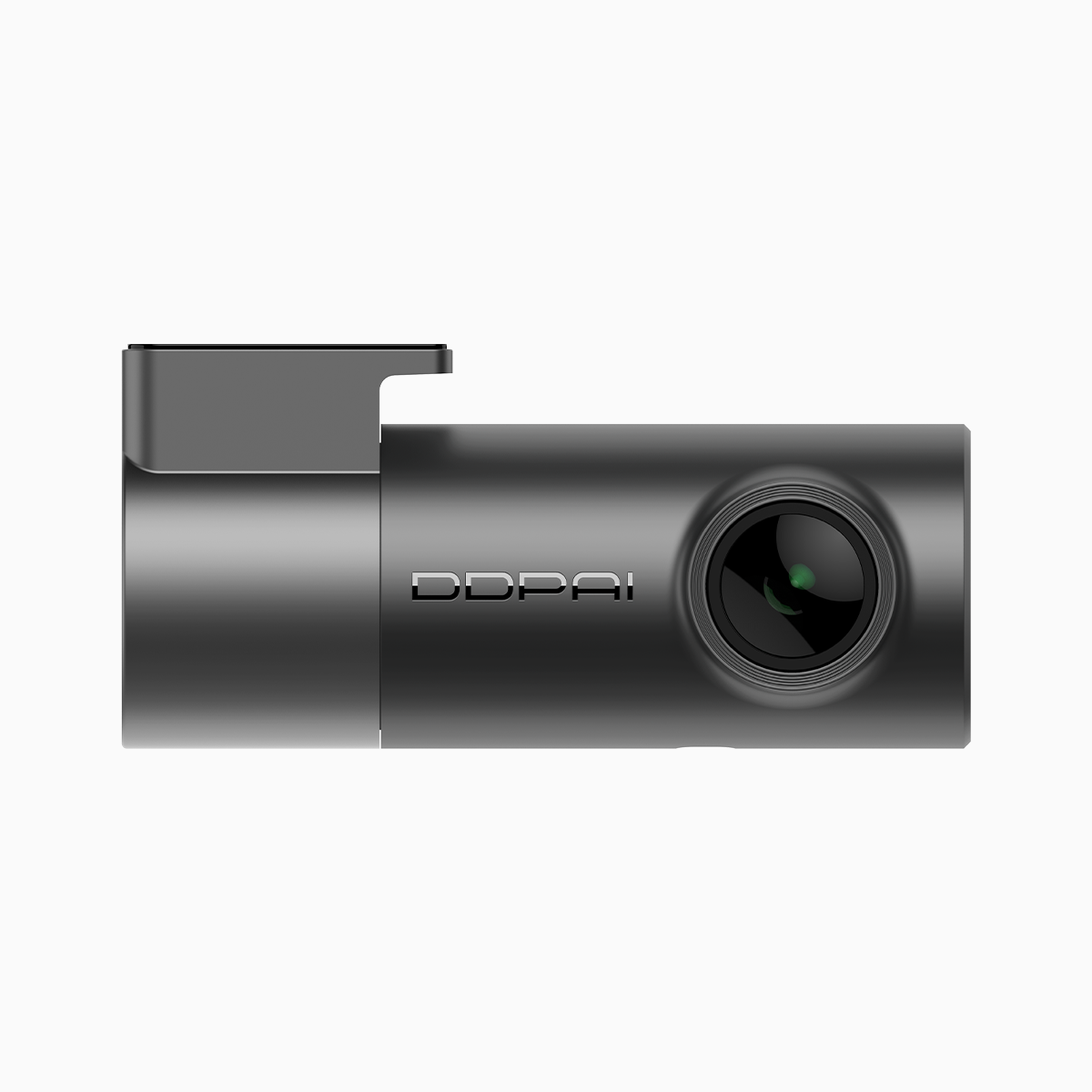
1) Prioritize footage integrity: choose devices with stable frame rate, robust loop recording, and secure cloud upload. 2) Prioritize uptime: opt for hardwiring and a reliable 4G modem to keep parking mode and live view functional. 3) Prioritize retrieval: ensure the vendor supports easy clip export and has a clear firmware update path—these reduce headaches when evidence is needed.
Closing evaluation and next step
Selecting the right system means matching features to real driving patterns, not chasing specs. Expect measurable gains: clearer evidence, fewer lost-incident cases, and faster resolution with insurers when you apply the three rules above. For many drivers the practical result is affordable, dependable coverage from a compact product line—check devices that balance resolution and data efficiency, and you’ll find the sweet spot. DDPAI PH offers products tuned to those trade-offs—an honest solution for real roads. —