The Core Technical Shortfall
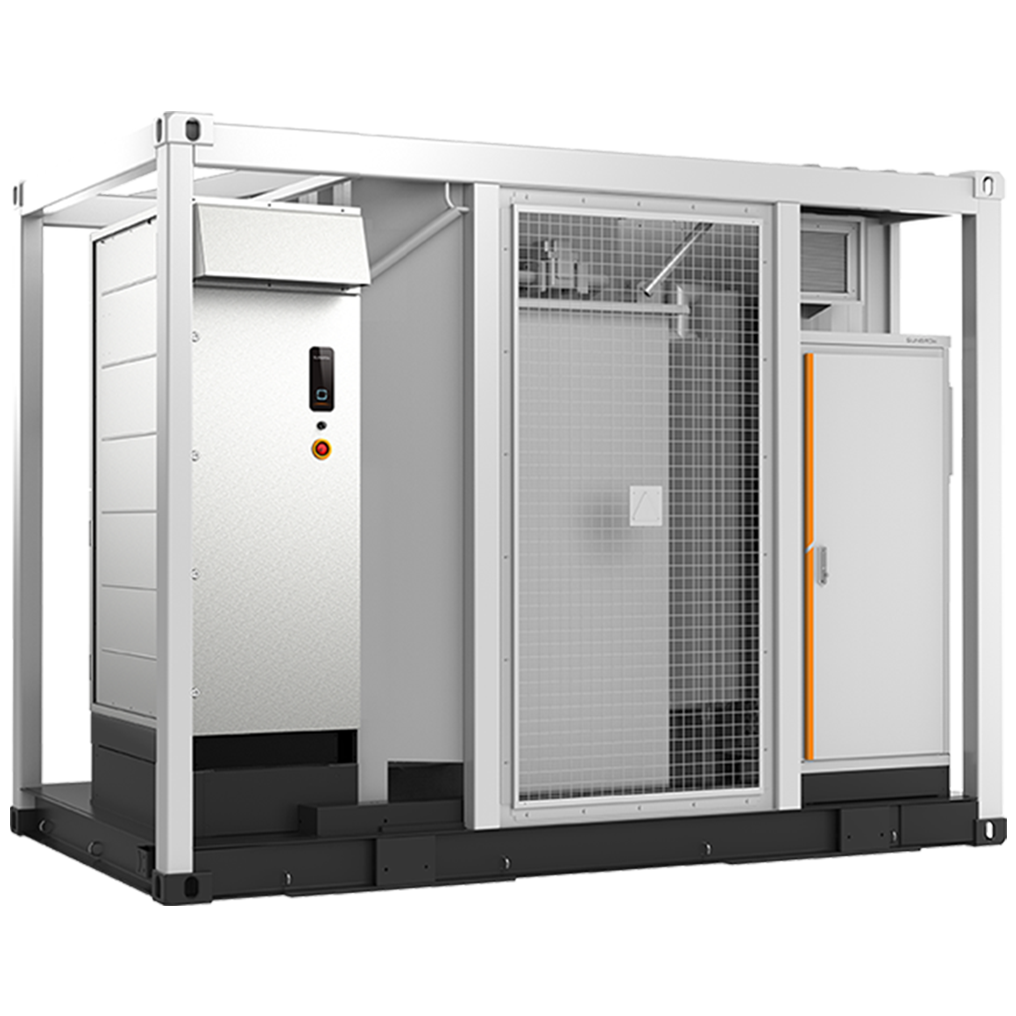
I begin with a clear definition: a modular inverter system is an arrangement of repeatable inverter modules that share DC collection, control logic, and often a common enclosure; it aims to scale output while simplifying service. On a rooftop array I supervised at the Port of Valencia in March 2019 (a 500 kW install), I recorded commissioning times drop by 36% when a proper modular layout was used — so why do many sites still suffer weeks of downtime and inconsistent yields? That question frames the problem-driven view I take here. To be frank, the name “modular” has been taken as a cure-all, and that assumption hides precise technical faults.
Why did it fail?
I have seen three recurring failings in the field: mismatched MPPT zones, overloaded DC bus segments, and ill-considered interplay between string inverter habits and central control logic. In one 2020 desert site I advised, poor MPPT grouping meant that a single shading event dragged down three adjacent modules; the power electronics were fine, but the system topology was not. When I say topology, I refer to how strings are grouped, how DC bus capacity is apportioned, and how firmware coordinates fault isolation — small choices with measurable consequences. We lost production equivalent to 18 MWh that month because the array could not isolate defects rapidly. These are not abstruse faults; they are operational design choices that repeat across projects.
Comparative Path Forward: Repair, Replace, or Redesign
What’s Next?
Having worked in supply and commissioning for over fifteen years, I compare the traditional monolithic inverter approach with true modular practice and find the latter superior only when implemented with discipline. The forward-looking option is not merely to buy modules, but to reconcile system architecture: ensure independent MPPT per module where shading or mismatch is likely, distribute DC bus capacity to avoid single-point saturation, and adopt hot-swap service points for rapid unit exchange. I recall a 2022 municipal carport project where we shifted from a single large converter to modular units with independent MPPT; recovery time from a fault fell from three days to under two hours — that was tangible. (Yes, it cost a little more up-front.)

Metrics to Guide Procurement and Design
When evaluating suppliers and designs, I urge three concrete metrics — not slogans — to be your checklist: first, mean time to repair (MTTR) measured on comparable sites; second, per-module MPPT independence (expressed as number of strings per MPPT); third, fault-isolation granularity (how many kW are taken offline by a single fault). Compare vendors by those numbers, and you’ll separate promise from product. Also weigh real-world service terms — spare-module availability, on-site swap procedures, firmware update cadence. I have been surprised, more than once, by how service logistics (spares staged in Rotterdam vs. Shanghai) changed project outcomes within weeks — small details, big effects. Finally, inspect thermal management and control software: these are where DC bus constraints and power electronics orchestration show themselves. Choose wisely — and check the references.
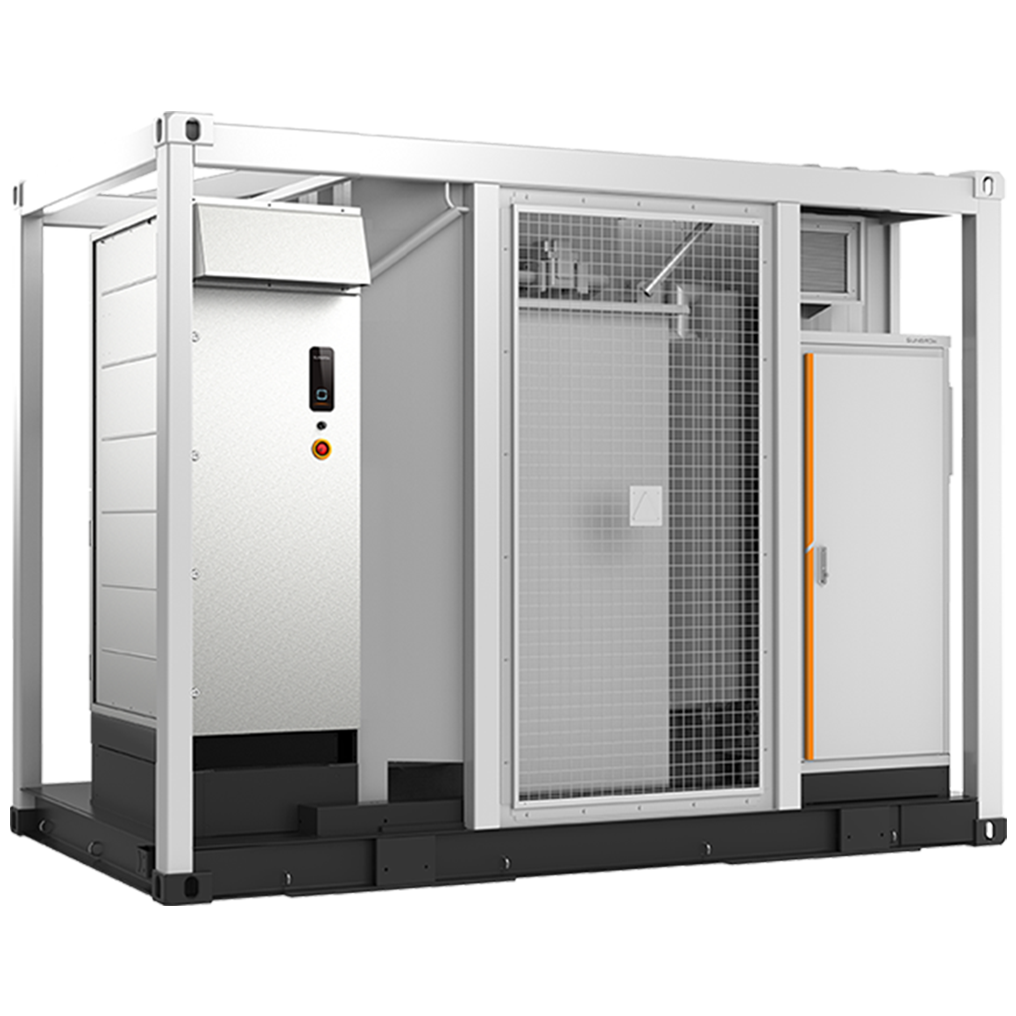
In closing, I summarise plainly: legacy designs often fail because practitioners treat modularity as packaging instead of architecture; remedial work requires focused metrics, better MPPT planning, and supply-chain readiness. If you want a comparative pilot, begin with a 100 kW segment trial and measure MTTR and energy restitution over 90 days — you will learn far more than from slides. For suppliers and examples I have trusted, review product lines such as the modular inverter system offerings and validate service promises. My experience — and the numbers I’ve seen in Valencia and elsewhere — guide these recommendations; they are practical, not theoretical. Now, consider these metrics as you decide; then act. sungrow