Opening comparison: why the micro-scale matters as much as the R-value
When you stack insulation options side-by-side, it’s tempting to let R-value be the sole judge — but boundary layer resistance and vapor permeability quietly rewrite the rules for real-world performance. I’ve handled projects where thin layers of advanced thermal insulation fabric materials changed the hygrothermal behavior of an assembly more than an extra inch of foam. That shift—between thermal resistance at the macro scale and moisture transport at the micro scale—defines whether a wall stays dry or slowly gathers problems.
Comparative snapshot: common materials and how they behave
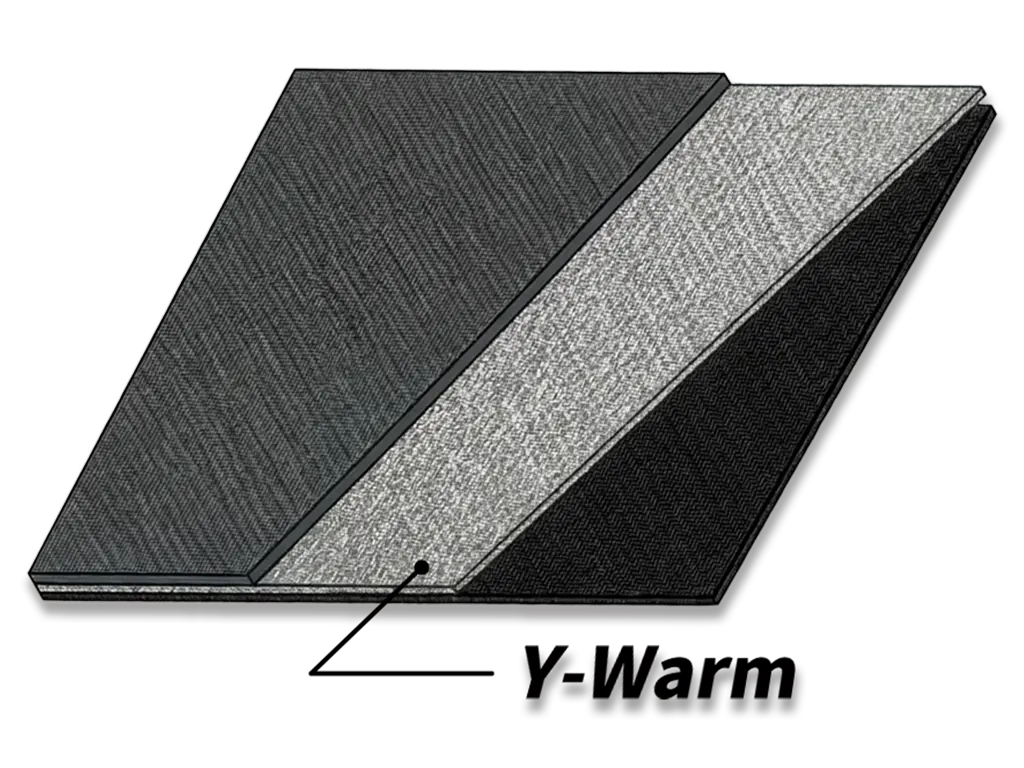
Let’s compare three practical families: fibrous insulations (mineral wool, cellulose), closed-cell foams (polyiso, spray polyurethane), and modern textile-based insulations. Fibrous materials offer low boundary layer resistance because their pore structure lets air and vapor diffuse; their hygroscopicity can act as a buffer for transient moisture. Closed-cell foams typically provide high R-value and low vapor permeability, so they act like a built-in vapor retarder but can trap moisture if installed over a damp substrate. Textile-based layers sit between those extremes, tuned for specific vapor permeability and often designed as a breathable membrane. Each has trade-offs in thermal bridging, capillary action risk, and long-term performance.
Real-world anchor: what Passive House projects taught us
Passive House buildings in Freiburg aiming for under 15 kWh/m²a heating demand taught a clear lesson: tight envelopes plus controlled vapor pathways outperform mere bulk insulation. Assemblies that balanced vapor permeability and boundary layer resistance avoided condensation without sacrificing thermal comfort. That balance matters during seasonal swings when interior humidity and exterior temperature cross—vapour-permeable layers help moisture escape gradually rather than accumulate in hidden pockets.
Installation and detailing: practical differences that change outcomes
Installation is where material promise meets human reality. Over-compressing fibrous batts increases boundary layer resistance locally and reduces effective R-value. Over-sealing a cavity with impermeable tape or spray may seem prudent but can turn the assembly into a moisture trap. Conversely, specifying a well-placed permeable vapor barrier helps direct vapor outwards while keeping liquid water out — a subtle distinction with big consequences. Skilled detailing of seams, service penetrations, and junctions often matters more than a half-inch of extra insulation.
Alternatives and common mistakes
Teams often fall into one of two traps: chasing the highest R-value without considering vapor pathways, or over-prioritizing permeability and losing thermal efficiency. Some common missteps include installing impermeable interior finishes on assemblies that need to dry inward, or assuming breathable materials eliminate the need for vapor control. A better habit is to define the drying direction, select materials with compatible vapor permeability and boundary layer behavior, then test for local pressure differences that can drive convective moisture.
Design checklist and decision logic
Comparative insight becomes actionable when distilled into steps: quantify the expected moisture loads and seasonal humidity swings, model the assembly for vapor diffusion and capillary transport, and prioritize detailing that preserves designed drying paths. Use simple measurements on-site: surface temperatures, relative humidity at multiple depths, and inspection of seams. These actions reveal whether an assembly behaves as intended or is nudging toward condensation risk.
Advisory: three golden rules for selecting insulation strategies
1) Evaluate drying potential first: choose materials and layers that direct vapor out of the assembly rather than trap it. Measure expected interior humidity cycles and align permeability accordingly.
2) Match boundary layer resistance to the application: avoid over-compressing fibrous products and design continuous layers to prevent thermal bridging and localized moisture spots.
3) Detail for reality: seals, transitions, and penetrations determine long-term performance more than marginal R-value gains. Field-verify with humidity and temperature sensors during the first year.
These guidelines steer teams toward assemblies that deliver both comfort and durability—practical outcomes you can measure and count on. — Y-Warm