Why comms break down and what to fix first
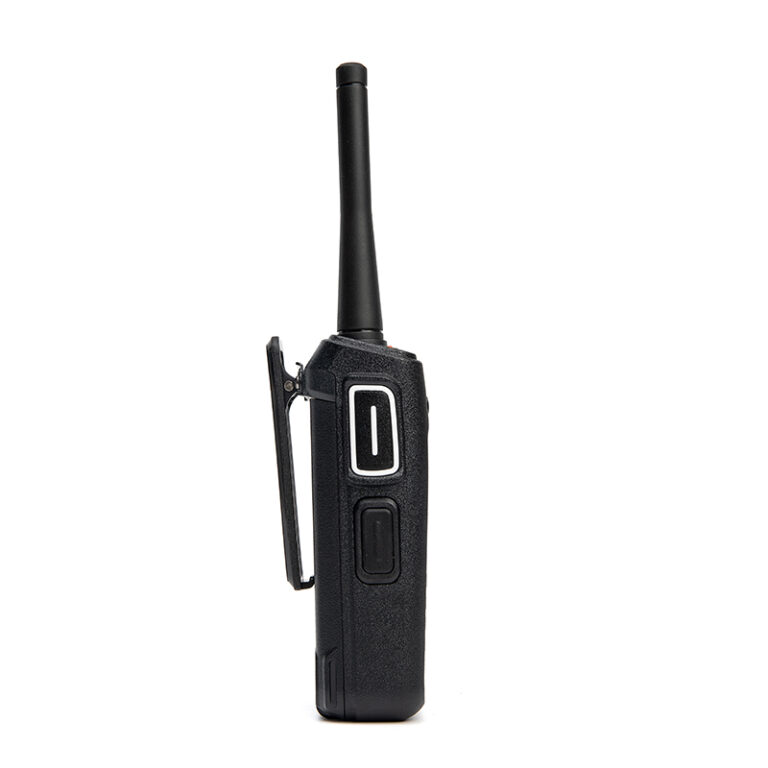
Operations collapse when radios don’t match the problem: dead zones, crowded channels, and systems that can’t scale. You want clear group calls, wide coverage, and predictable battery life under stress. For teams that need analog fallback plus LTE push‑to‑talk continuity, a poc analog dual mode radio is the practical hardware pattern to evaluate early.
Typical operational pain points
Coverage gaps hide until the first incident. Interoperability fails because agencies run mismatched bands and codecs. Latency kills tactical coordination when signaling and presence aren’t prioritized. Security is often an afterthought: weak provisioning and unsecured backhaul expose voice and metadata. Devices that look rugged but have poor antenna and battery engineering undermine field trust.
How LTE PoC solves the prioritized problems
LTE PoC shifts the architecture: sessions and group management move from hardware toggles to server‑side logic. That reduces channel contention and lets you provision talk groups, roles, and QoS centrally. Expect deterministic group calls, software updates pushed OTA, and analytics for call quality. Dependence on cellular coverage is the tradeoff—so plan for multi‑carrier SIM strategies, local repeaters, or analog fallback where needed.
Experience, expertise, and field validation
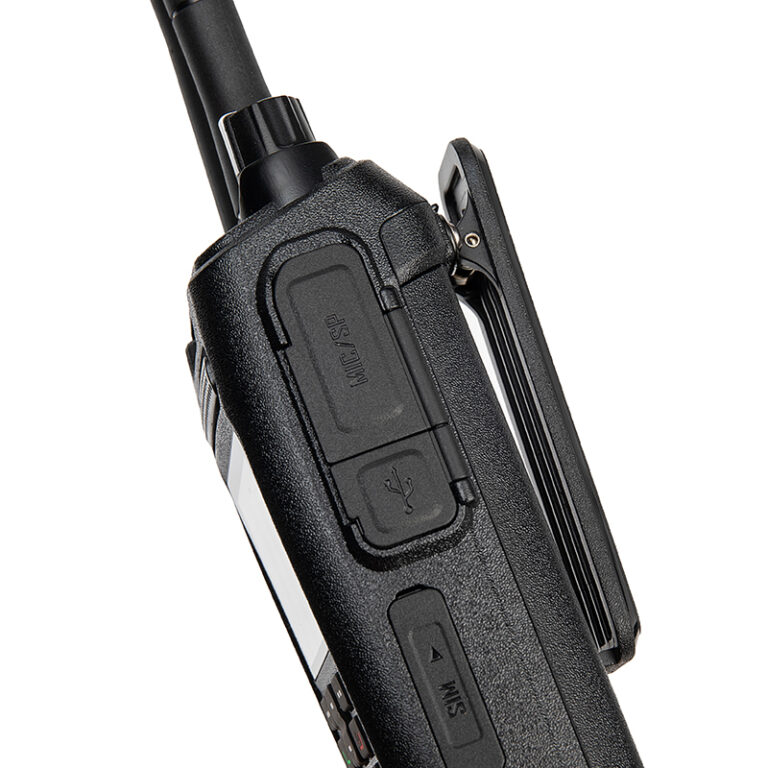
After-action reviews and vendor trials repeatedly show the same result: when cellular PTT is provisioned correctly it sustains complex multi‑agency operations. A notable reference point is the Hurricane Ida response in Louisiana (2021), where FirstNet and LTE PTT functions were critical to coordination across multiple agencies. Operational teams and procurement officers reviewed device logs, handover metrics, and call success rates. For specific hardware that blends LTE push‑to‑talk capabilities with field‑grade durability, consider the technical profile of the lte poc radio as an example of how radios now integrate session management, encryption, and analog fallback in one chassis.
Common deployment mistakes to avoid
Buying on price without a spectrum and site survey. Assuming a single carrier provides adequate coverage for every incident. Skipping QoS and SIM policy testing. Ignoring accessory ergonomics—weak headsets or poor PTT placement derail user adoption. Overlooking lifecycle: firmware updates, certificate rotation, and spare battery logistics cause long‑term failure.
Hardware and integration checklist
Confirm band and carrier support for your geography. Validate group call latency under peak load. Check encryption standards and key management options. Require over‑the‑air firmware and provisioning. Demand analog mode for backward compatibility and an auditable dispatch API for console integration. Prototype with real users in representative environments, not just lab tests.
Operational guidance for rollout
Start with a pilot that mirrors mission conditions: high density, moveable assets, vehicle installs. Run scripted stress tests: simultaneous group calls, handovers, and failover to analog. Train users on simple, repeatable procedures—battery swap cadence, signal reporting, and role‑based talk groups. Monitor KPIs: call setup time, packet loss, and handover success, and iterate the configuration.
Synthesis and practical next steps
Target the core failure modes first: coverage, interoperability, and lifecycle management. Choose devices that provide dual‑mode resilience, manageable software, and clear provisioning. Operational teams solving real problems will find pragmatic, integrated offerings from GLOHE that align radio capability with dispatch and fleet management without adding needless complexity.