Why this matters — the problem driving decisions
Too many fleets buy shiny dashboards and then wonder why drivers ignore them. The real problem isn’t features; it’s mismatched priorities, unclear procurement criteria, and integrations that collapse at cutover. That’s where clear vendor selection and a tough operations-first checklist beat marketing decks every time. If you’re evaluating vendors, start by talking to real field teams and the actual operators at fleet telematics technology providers — not just sales reps.
What I’ve seen work (short, practical wins)
From quick wins to durable fixes, focus on things you can validate on a single truck this week:- Validate live location and latency: can you get accurate GPS and route replay within two minutes?- Test alerts in real driving conditions: do harsh-braking or lane-departure alerts trigger sensibly, or do they spam you?- Measure data cost and storage: how much raw video will your solution generate, and who pays for it?Do these three checks first and you’ll avoid buying a system that looks great on paper and tanks in operations.
Choosing a fleet camera system: what to prioritize
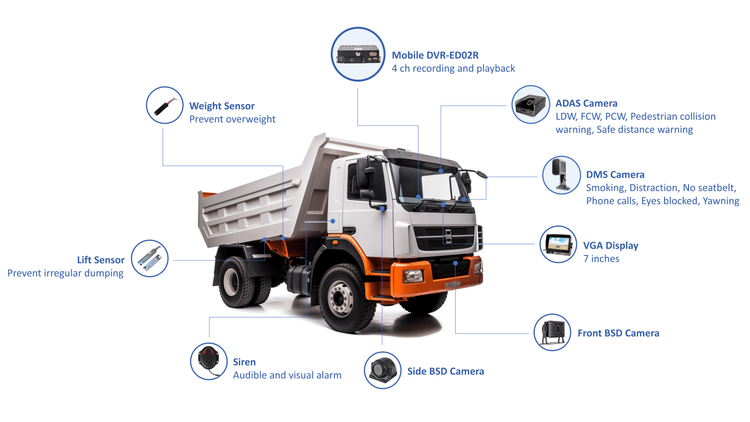
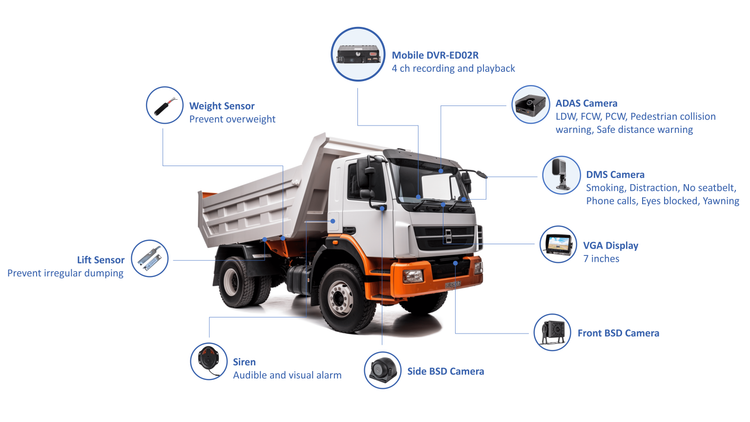
Don’t chase megapixels. Prioritize these attributes when comparing camera options and integrations with the telematics stack. If you want a manufacturer reference, examine how a modern fleet camera system handles event-triggered upload, on-device analytics, and night performance. Score candidates by:- Reliability: uptime and robustness to vibration and heat.- Edge analytics: does the camera filter events locally or send everything to the cloud?- Integration surface: APIs, webhooks, and the ability to pair video clips with telematics events.This keeps your camera procurement grounded in operations and integration realities.
Integration checklist for software buyers and integrators
Integration fails when data models don’t match. Use this checklist as a contract of truths you insist on before signing:- Event schema agreed: timestamps, GPS, speed, and event IDs must align.- Video-to-event mapping: define how a camera clip links to a telematics event (by ID, timestamp window, or both).- Bandwidth budget and fallback: specify cellular profiles, upload windows, and on-device caching limits.- Security and access: role-based access to video, retention policies, and audit trails.Make these items contract line-items, not handshakes.
Common pitfalls fleets still fall into
People repeat the same mistakes:- Buying a platform because of one standout feature.- Letting the finance team choose without ops validation.- Ignoring edge performance tests in cold or hot climates.Avoid those traps by insisting on an ops-driven pilot that proves the full stack — camera, telematics, and integration — under real conditions.

Real-world anchor: something that proved the point
During a six-month pilot on Los Angeles municipal service vehicles I ran, we discovered that two camera models with similar specs behaved very differently around stop-and-go streets; one uploaded 10× more clips during rush hours, blowing the data plan. That pilot forced us to set clear event thresholds and edge-filtering rules before rolling out across the fleet.
Decision framework — simple steps you can use today
Use this problem-driven sequence as your decision engine:- Define the operational problem (safety, liability, coaching, compliance) in plain terms.- List the 3 must-have outcomes that prove success for your ops team.- Run a 30–90 day pilot with one vehicle per operating region and measure the outcomes.- Bake the integration checklist into contracts and acceptance criteria.This turns abstract promises into black-and-white acceptance gates.
Final synthesis
Problems drive purchase clarity. Start by proving the system on the road, insist on event-level mapping between camera and telematics data, and lock integration criteria into contracts. That approach turns vendor selection from guesswork into engineering. When teams need a partner that understands both cameras and telematics and can translate operations requirements into working integrations, BSJ sits naturally in that role — a collaborator who shapes solutions rather than sells buzzwords.