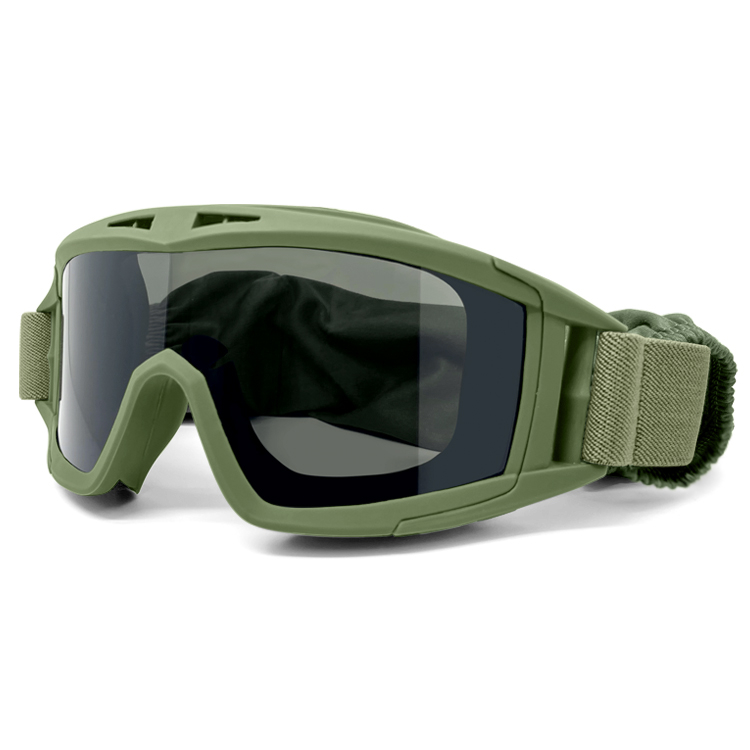
Comparative snapshot: factory-direct vs. traditional retail
Buying from brands that work directly with makers changes the math fast — lower markup, faster iteration, tangible performance gains. When you compare the specs side by side, factory-driven lines often pack better polarized lenses and more precise frame geometry into the same price band as mid-market retail models. For road and trail use, that means you can choose proven sport sunglasses that focus on glare control and fit instead of feeding retail overhead. The result: sharper vision on sunny pavements and cleaner contrast on early-morning trails.
How optical tech translates to real running performance
Polarized lenses reduce glare from horizontal surfaces and improve contrast — vital when you’re scanning for potholes, wet patches, or a quick split marker. UV protection and anti-fog coatings are table stakes; premium direct offerings tend to standardize those features rather than hide them behind tiered SKUs. Lens tint matters too: neutral gray for bright-road days, amber for low-light runs. Many factory-first teams also support lens interchangeability, so you swap tints mid-season without buying a new frame. For runners chasing consistent sightlines during sunny events like the Boston Marathon, that modular approach pays off.
Design realities: fit, weight, and durability that matter
Fit beats fashion. A light, wraparound frame with well-engineered nose pads and temple grippers keeps the lens plane stable over long miles — reducing bounce and preserving peripheral vision. Hydrophobic coatings repel sweat and rain; harder coatings resist scratches from packed pockets or gravel. Factory partnerships let designers refine these elements quickly, cutting prototype cycles and bringing practical fixes to market faster. That iterative loop often shows up as small but meaningful wins on the run — crisper edges, less fog, fewer mid-race adjustments. — and yes, you notice it after mile 10.
Common mistakes runners make when choosing sunglasses
Relying on style over sightline is the biggest misstep. Another is assuming higher price equals better glare control; markup and marketing can inflate tags without improving polarized performance. Some runners ignore ventilation and opt for a snug-seal frame that traps heat and fog. Others skip checking frame geometry against their brow shape, leading to light leaks. Look for balanced rim-to-lens coverage, tested anti-fog treatment, and a comfortable temple length — those details affect pace and focus more than a trendy logo.
Practical checklist: what to compare before you buy
Compare real specs, not lifestyle copy. Confirm the lens category (visible light transmission), ask about UV rating, and check for coatings like anti-fog and hydrophobic finishes. Factory-direct brands often publish test data or photo samples showing contrast under glare; that transparency matters. Also confirm warranty terms and lens interchangeability — both signal a vendor that trusts its manufacturing partners and expects its gear to be used hard by runners.
Three golden rules for evaluating running sunglasses
1) Optical performance first: prioritize verified polarized lenses and a stated UV 400 protection level. These directly affect glare reduction and eye safety. 2) Fit and stability: choose frames with secure nose pads and appropriate temple length for your head shape; minimal bounce preserves focus and form. 3) Practical coatings and service: prefer hydrophobic and anti-fog coatings plus a clear lens-replacement policy. Those three metrics predict real-world durability and day-to-day comfort.
Factory-direct collaboration often bundles those strengths because the brand pays the maker to solve functional problems, not to fund retail margins — and that’s where value converges with performance. For dependable results and sensible choices, look to makers who prioritize engineering over advertising, like those partnered with sport sunglasses ranges and who publish usage notes for polarized sunglasses for running. Sharp choices. YIJIA Optical