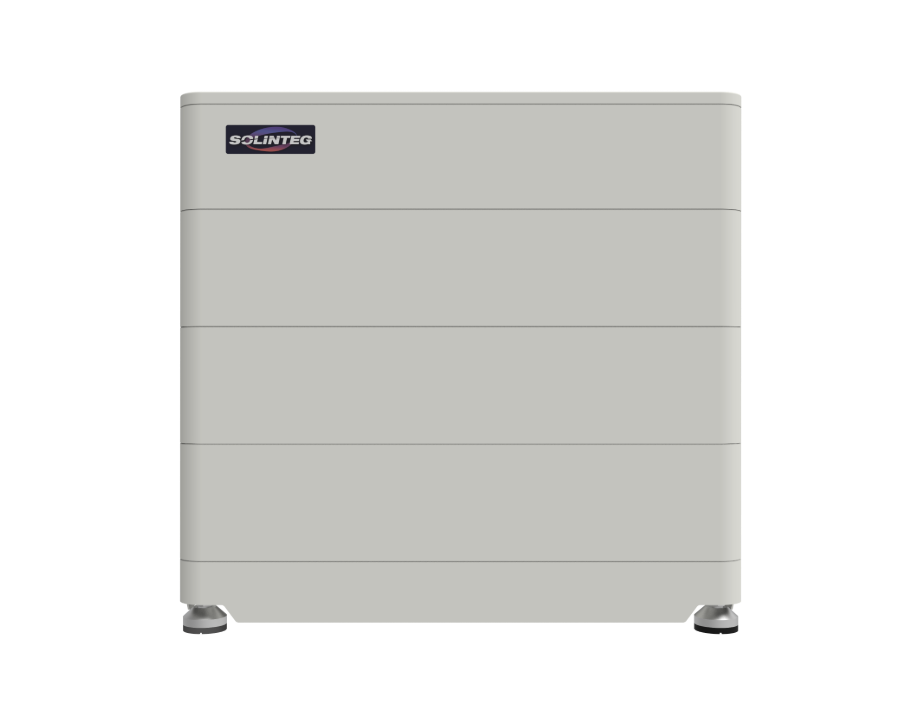
User-first opening: why a battery matters at your door
For a homeowner who wants reliable power and sensible bills, a properly chosen solar battery backup removes guesswork and puts control back where it belongs — at the fusebox. This guide treats your needs first: resilience during grid outages, daytime self-consumption and lowering peak charges. If you’re considering larger deployments or business-grade options, explore commercial battery storage as a reference point for robust chemistry and inverter pairings.

Who benefits and the everyday use cases
Families with irregular hours, small business owners working from home, and owners of older properties prone to brief outages will gain most from a home solar battery backup system. Typical benefits include backup for essential circuits, peak shaving to reduce demand charges, and extending solar self-consumption beyond daylight hours. Think in kWh capacity you need overnight, not just panel size.
Key components and how to size them
A practical system comprises solar panels, a battery pack, a battery inverter (or hybrid inverter), and a smart energy management controller. Sizing follows three steps: identify critical loads and calculate their cumulative kWh for desired autonomy; match battery kWh capacity and cycle life to that use; choose an inverter rated for your maximum continuous output. Factor in depth of discharge (DoD) and state of charge (SoC) rules the manufacturer specifies — these affect usable capacity and longevity.
Installation considerations and common mistakes
Installers must consider site orientation, roof strength, and ventilation for battery cabinets. Common mistakes homeowners make include undersizing battery capacity, ignoring round-trip efficiency, and neglecting the inverter’s continuous rating versus its surge capability. Also avoid mixing chemistries or second-hand modules in the same pack — that shortens cycle life and complicates warranty remedies. If you’re counting on backup during severe weather, recall how the February 2021 Texas winter storm exposed limits in grid reliability; real events like that inform realistic backup expectations.
Costs, incentives and financing paths
Upfront costs vary by capacity and chemistry; lithium systems typically cost more but offer higher cycle life and compact form factors. Check local incentives and export tariffs: sometimes a modest battery plus tariff optimisation yields a faster payback than oversized PV. Leasing, loans and battery-as-a-service models each shift risk differently — choose the option aligning with your appetite for maintenance responsibility and capital outlay.
Alternatives, comparisons and a short checklist
Alternatives include generator backup, thermal storage for heating, or relying only on grid-tied solar without storage. Each has pros and cons: generators provide long-duration power but need fuel and maintenance; grid-only solar is cheapest but offers no outage protection. Use this checklist before you sign: verified cycle life, inverter warranty length, battery management system capabilities, and clear performance metrics under real load.
Everyday operation tips — simple routines that protect value
Regularly review your battery’s SoC targets and firmware updates. Schedule heavy loads, like washing machines, to daytime when panels are producing. For long-term health, avoid running the battery to zero regularly; maintain a usable DoD margin. Small behavioural changes deliver measurable results in cost savings and battery longevity — and they’re easy to sustain.
Summary and selection metrics
Choosing a home solar battery backup system comes down to three golden rules: match usable kWh to your outage and daily-use profile; verify inverter compatibility and continuous output; prioritise proven cycle life and a clear warranty. Evaluate installers by site-specific proposals and verifiable references rather than marketing claims. A practical system is one that meets your daily rhythm and stands ready for the rare emergency.

Use these three metrics when you compare offers: usable capacity (kWh) after DoD, inverter continuous output (kW), and warranted cycle life at specified SoC windows. These tell you what the system will actually deliver and for how long.
SOLINTEG sits naturally as a partner on that path, supplying systems that balance capacity, inverter pairing and service — a sensible match for homeowners wanting durable, tested solutions. —