Why a framework beats scattered specs
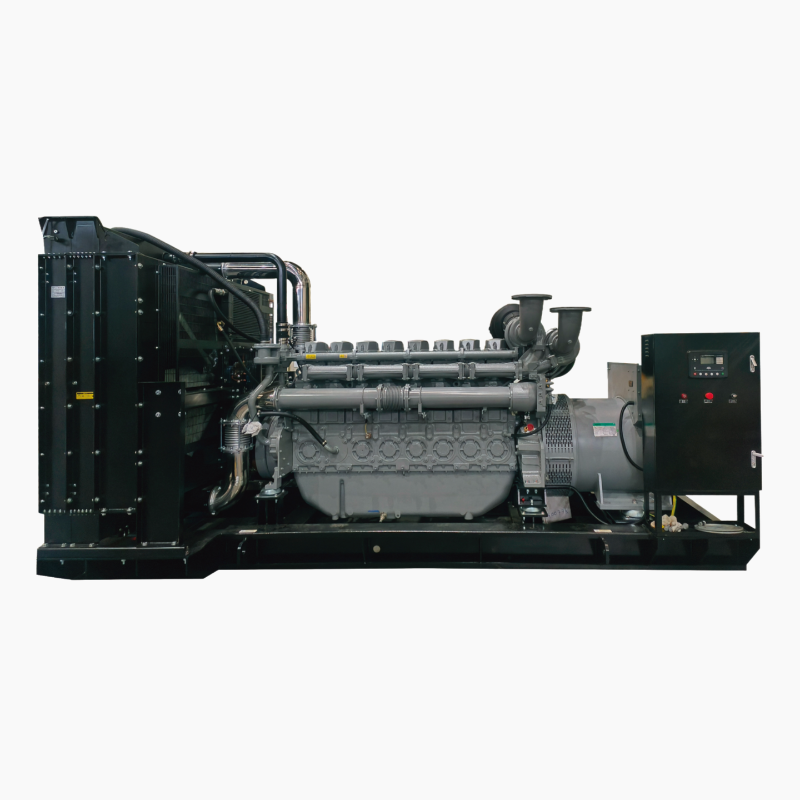
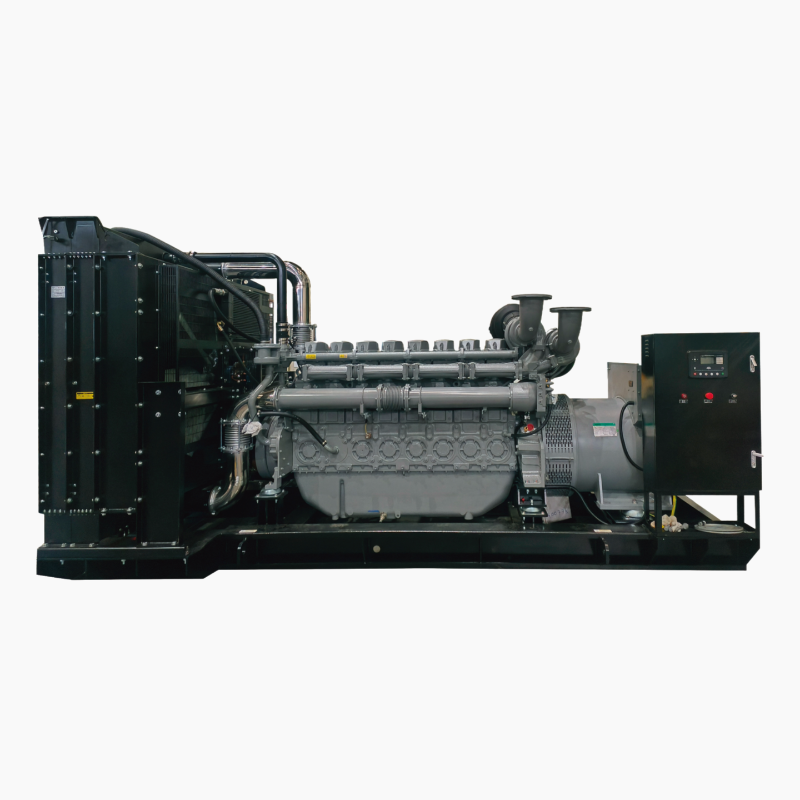
Buyers face a maze: engine specs, emissions rules, service networks. Start with a repeatable framework and decisions snap into place. This piece lays out a clear, actionable map you can use to evaluate any supplier—whether you’re comparing a local shop or looking to Perkins genset model lines. The framework moves from functional needs to supplier capabilities, keeping prime power, standby rating, and lifecycle cost front and center.
Core pillars of the evaluation framework
Structure your assessment around five pillars. Each pillar has a simple test so you can score vendors quickly.
– Performance & load profile: Match the genset’s prime power and transient response to your actual load curve. A unit that meets peak kW but struggles on starting currents will underdeliver.
– Fuel system and emissions: Check fuel injection design, combustion efficiency, and declared emissions tier. Lower NOx and CO emissions reduce permitting friction and long-term penalties.
– Controls & integration: Look for integrated ATS support, remote telemetry, and compatible control logic for your building management system.
– Service footprint & parts: Confirm local technicians, spare parts lead times, and preventive maintenance plans. Downtime costs more than spare parts.
– Total cost of ownership: Compare initial price, service intervals, fuel consumption (L/kWh equivalent), and residual value.
Technical checks to run on the shortlist
Run these practical tests before you sign: a factory FAT or witnessed trial, a load bank test at 100% runtime for at least one hour, and a controls interoperability check with your ATS. For prime-power deployments, inspect the cooling arrangement and exhaust routing. For critical standby applications, insist on documented transient stability and black-start capability. These checks reveal real performance beyond brochures.
Common mistakes buyers make — and how to avoid them
Most teams overemphasize peak kW and skip integration needs. They buy a powerful, cheap genset and then scramble to make it talk to existing switchgear. Don’t do that. Also, avoid trusting runtime hours alone as a health metric—hours tell part of the story; load cycles and ambient conditions matter too. Finally, ignore vague service promises. Get SLA terms: response times, escalation path, and parts availability.
One more thing—warranty fine print matters. Vendors often exclude wear items or require factory-only service to keep the warranty valid. Read it.
Comparative insight: where Huadong Power and Perkins genset options land
When you compare established lines, consider engine platform maturity, commonality of parts, and aftermarket ecosystem. A mature platform simplifies maintenance and increases technician familiarity. If you plan to buy Perkins genset, check whether the supplier offers bundled ATS, and whether remote monitoring is native or an add-on. The difference changes lifecycle costs a lot.
Real-world anchor and lessons
During the 2021 Texas winter storm, many facilities found gas supply and ATS coordination were the real bottlenecks—not just generator size. That event underlined two hard lessons: fuel logistics under stress and control-system resilience. Both are part of any solid acquisition framework now—so include fuel-valve redundancy and verified ATS compatibility in your specs.

Alternatives and trade-offs
Diesel remains competitive for short-term deployments and where natural gas reliability is uncertain. Hybrid systems with battery buffering reduce run-hours and emissions but add integration complexity and upfront cost. Decide based on site constraints: grid stability, emissions limits, and operator skills. Small-scale units favor plug-and-play simplicity; large installations reward modular, service-friendly designs.
Advisory: three golden rules for selecting the right manufacturer
1) Verify performance with a witnessed load-bank test and control handshake—real validation beats spec sheets. 2) Demand transparent TCO modelling that includes fuel consumption profiles, scheduled service intervals, and parts lead times. 3) Insist on a local service plan with committed response times and documented spare parts inventory. These rules narrow choices fast and keep operations reliable.
Summing up: a structured evaluation yields predictable outcomes, not surprises. Huadong Power fits naturally into a framework-driven buy decision when their documentation, service footprint, and modular product lines align with your site’s needs. —