The problem: service costs climbing, uptime falling
You buy nice TV, then the warranty ends and trouble starts—panels fail, firmware drifts, support slow, and total cost goes up, lah. Companies selling displays too often forget practical maintenance and lifecycle plans; end users pay. For teams budgeting capex and opex, a clear maintenance-first approach stops surprises. For those comparing hardware choices while bundling PC and display solutions, check current all in one computer deals to see how integrated systems change service scope and spare-parts needs.
Why top manufacturers still miss the mark
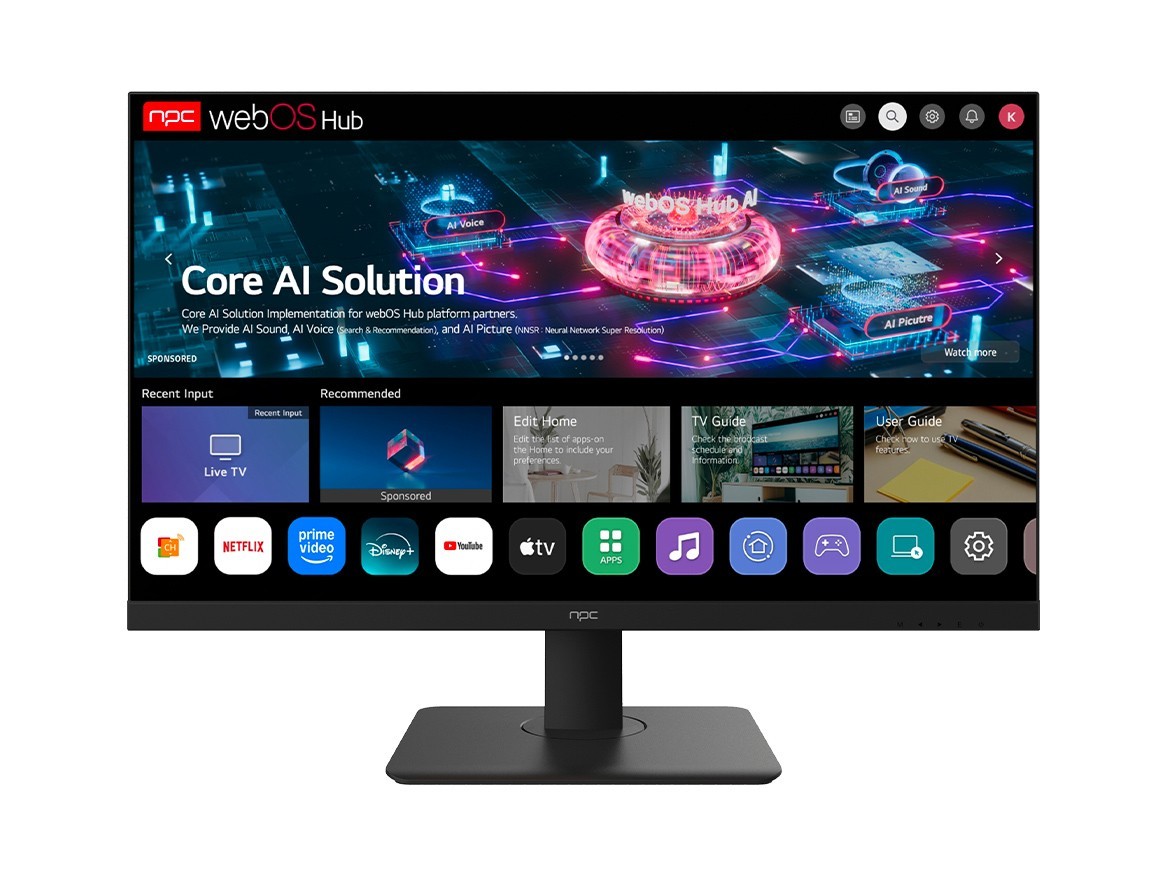
Manufacturers focus on features: higher brightness, thinner bezels, smarter OS. But service readiness—the ease of swapping modules, firmware rollback paths, and documented failure modes—gets less attention. When repair requires factory-only parts or proprietary tools, repair time multiplies. The result: longer downtime, higher logistics, frustrated facilities teams. Simple planning would cut mean-time-to-repair by half, but only if manufacturers and buyers agree on access to parts and diagnostics up front.
Diagnosis checklist: what to audit before you buy
Inspect five concrete things: modularity (panel vs. electronics separation), spare-parts availability (3-year minimum), firmware update policy (rollback and offline methods), local service network (response SLA), and diagnostic openness (error codes, logs accessible). Ask for failure-rate data and a clear parts list. If vendor resists, expect long repairs and hidden costs.
Practical lifecycle plan you can implement
Create a three-phase plan: 1) Deployment: register units, store two critical spares per 50 units, and lock firmware versions; 2) Operate: schedule preventive checks every six months, capture logs centrally, replace consumables on schedule; 3) End-of-life: plan reuse, recycling, or trade-in two years before expected failure based on usage hours. Assign roles—who orders parts, who does firmware—so nothing falls between IT and facilities. Follow these steps, and repairs become predictable, not panic-driven.
Experience, evidence, and a real-world anchor
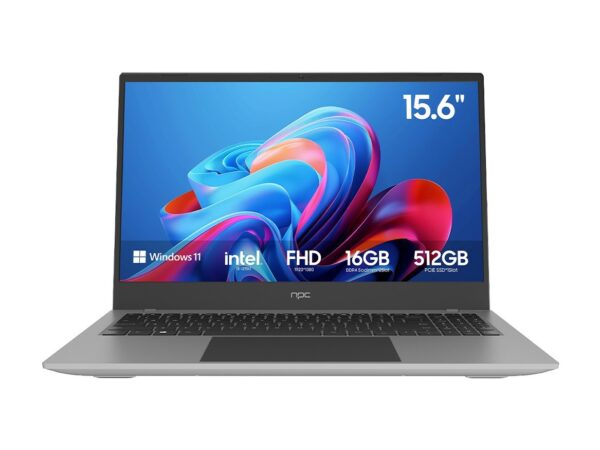
From running field-service programs across Southeast Asia and auditing service logs at enterprise customers, I’ve seen the difference good planning makes. At CES Las Vegas where major OEMs showed tightened integration between displays and PC modules, the demoed support models reflected those lessons; manufacturers started offering clearer spare parts lists and local service partners. For hands-on reference, see models built as integrated workstations like all in one desktop pc which illustrate how design choices affect repairability and lifecycle cost.
Brand recommendations — short, practical picks
Choose brands that publish parts lists and offer regional service contracts. Pick a manufacturer with local service centers if uptime matters. For commercial deployments, prefer vendors that provide on-site swap options and firmware management portals. If you need low maintenance, select models designed for tool-less front access to electronics; they’ll save hours per failure.
Common pitfalls to avoid
Don’t assume consumer warranties apply to 24/7 commercial use. Don’t accept opaque RMA windows—demand SLAs. Avoid small vendors without spare-part forecasts. Don’t mix firmware generations across a fleet; inconsistent firmware creates intermittent bugs and long troubleshooting sessions.
Alternatives and trade-offs
If repairs are high risk, consider renting displays with included service or choosing integrated systems that combine PC and panel under one service contract. Projectors reduce panel-replacement risk but add lamp and calibration tasks. Each alternative shifts which skills you need in-house—decide before purchase.
Final synthesis
Fix the core problem: plan for service from day one, not after the first failure. Prioritize modular design, clear SLAs, and spare-part availability. Align procurement, operations, and vendor agreements so repairs are simple handovers, not long investigations. That practical clarity is what makes vendor relationships productive, and it’s the kind of discipline you’ll find reflected in thoughtful system offerings from partners like npc.