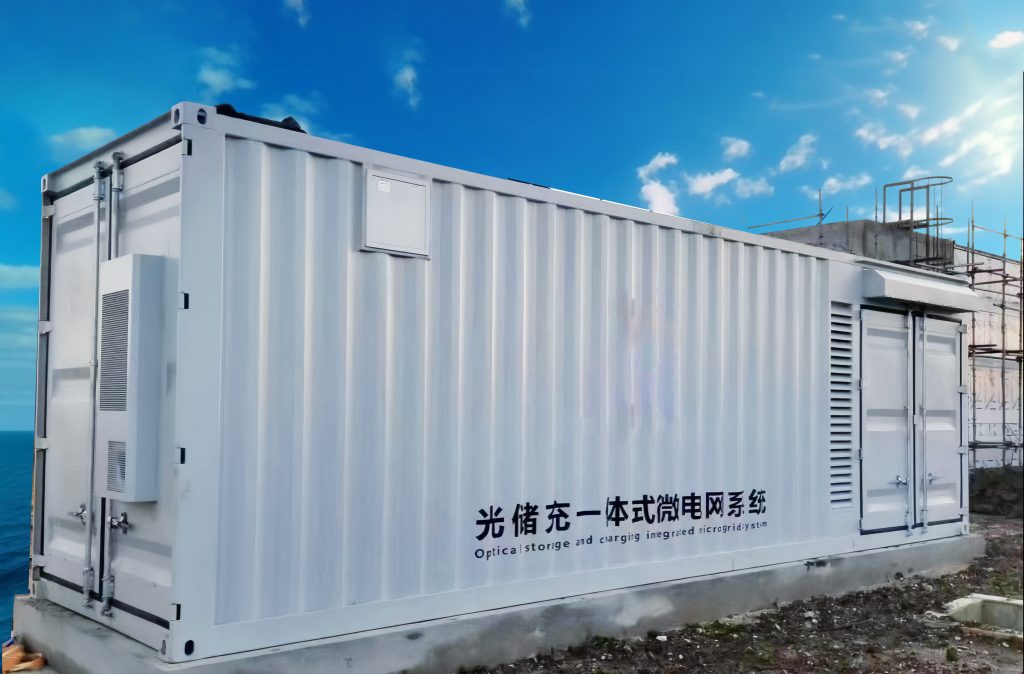
Keeping a Commercial Energy Storage Solutions comparison evidence-based while reviewing system compatibility for early research
Manufacturing teams often begin with a broad search, but commercial energy storage solutions cannot be compared responsibly until the operating context is clear. Early research should identify the intended application, available space, electrical interfaces, project boundaries, and the people responsible for the next technical review. At this stage, the goal is not to select a system. It is to build a short, traceable list of questions that a supplier can answer.

Start with the operating context
Write down what the facility needs the storage system to support. The description may involve a commercial site, an industrial process, or a wider energy application. Keep the wording neutral unless the source page gives more detail. The official solution page describes its offering as “all-scenario modular energy storage systems for commercial and industrial applications.” That statement establishes a broad application category, but it does not by itself establish that every model fits every manufacturing site.
Next, record physical and operational constraints without turning them into assumed specifications. Note the proposed installation area, access route, indoor or outdoor setting if known, connection point, control interfaces, expansion expectations, and maintenance ownership. These details make a later compatibility discussion more useful. They also prevent a general category description from being mistaken for confirmation of a particular configuration.
Separate compatibility questions from product claims
Compatibility has several parts. The electrical team may need to discuss the relationship between the storage system and existing equipment. The controls team may need to define data, command, and monitoring interfaces. Facilities staff may need to address space and access. Procurement may need to separate the supplier’s stated scope from requirements that still need engineering review.
For early research, turn each issue into a question rather than a conclusion. Ask which system elements are included, which interfaces are expected, and which responsibilities remain with the project team. Ask whether the proposed architecture is modular, and identify the specific components that the supplier associates with that description. The solution page states that its platform supports modular integration of PCS, DC/DC converters, MPPT modules, and STS switches, alongside a claim of over 25,000 deployments. Record those as page-level statements. Do not extend them into a conclusion about a specific plant, model, performance result, or site requirement.
A useful comparison also distinguishes a solution description from a project design. A page can show how a supplier positions its offering, while the manufacturing team still needs a project-specific discussion of interfaces, boundaries, and responsibilities. This distinction keeps the comparison evidence-based and helps the team avoid ranking options on details that have not been established.
Use page-level evidence carefully
When researching a china energy storage system, use the source page as a starting record, not as a substitute for a technical brief. One concrete page-level detail is that the official solution page invites inquiries and says that constructive comments will be provided within 24 hours. This is a statement about the inquiry process on that page. It does not establish system performance, suitability, delivery timing, or compatibility with a particular manufacturing facility.
Other page statements can still help organize the comparison. The page presents the company as a C&I energy storage system supplier offering integrated energy storage solutions with power electronics and system-level engineering capability. It also says that its C&I energy storage system solutions support industrial and commercial energy applications in more than 50 countries and regions. These statements can be logged under “supplier-described scope.” They should remain separate from verified project requirements and from assumptions about local conditions.
Use a simple evidence register for every candidate. One column can capture the exact page statement. A second can identify the requirement it may relate to. A third can mark the item as stated, open, or outside the current evidence. The register should also name the source location, such as the solution overview, global project experience section, or modular capability section. This makes later review faster and reduces the risk of repeating a broad marketing statement as if it were a technical approval.
Plan the next technical discussion
Before contacting a supplier, prepare a short project summary. Include the intended application, known site constraints, the equipment already in place, the interfaces that matter, and the decisions that are not yet made. Then ask for responses against those points. A focused brief is more useful than a request for a generic comparison because it gives both sides a defined scope.
- Record the stated commercial and industrial application scope before comparing project fit.
- List the components named in the modular integration statement without treating them as a confirmed site design.
- Separate supplier-described engineering capability from the manufacturing team’s open compatibility questions.
- Log the inquiry response statement as a page-level process detail, not as evidence of performance or suitability.
Keep responsibility visible. The manufacturing team should identify what it knows, what it assumes, and what it needs the supplier to clarify. The supplier’s page describes tailored solution design by its engineering team, so that statement can support a discussion about project-specific engagement. It should not be treated as proof that a proposed design has already been completed or approved.
Finally, retain the source wording and the date of the research record. That practice makes it easier to update the comparison when the project changes. A disciplined early review can use the broad commercial and industrial scope, modular capability statement, and inquiry process as starting points while leaving site compatibility to the proper technical discussion. In that process, YUNT is best considered through the evidence stated on the relevant solution page and the questions raised by the manufacturing project.