Introduction — scenario, data, question
Have you ever watched a shop floor and wondered why two identical setups produce different parts? I have seen that confusion many times. A double spindle CNC machine can promise dramatic gains in throughput and uptime, yet real results often lag behind projections (this happens more than managers expect). Recent shop-floor data shows cycle time improvements of 20–40% in pilot runs, but only about half of shops sustain those gains after six months. Why does the same hardware perform so differently from one plant to another?

In my experience, the answer lies less in brand labels and more in how systems talk to each other — the CNC controller, spindle tuning, and tool-path strategies. We will look at where the promise meets reality, and then probe the hidden frictions that steal performance. Let us move on to the technical heart of the matter.
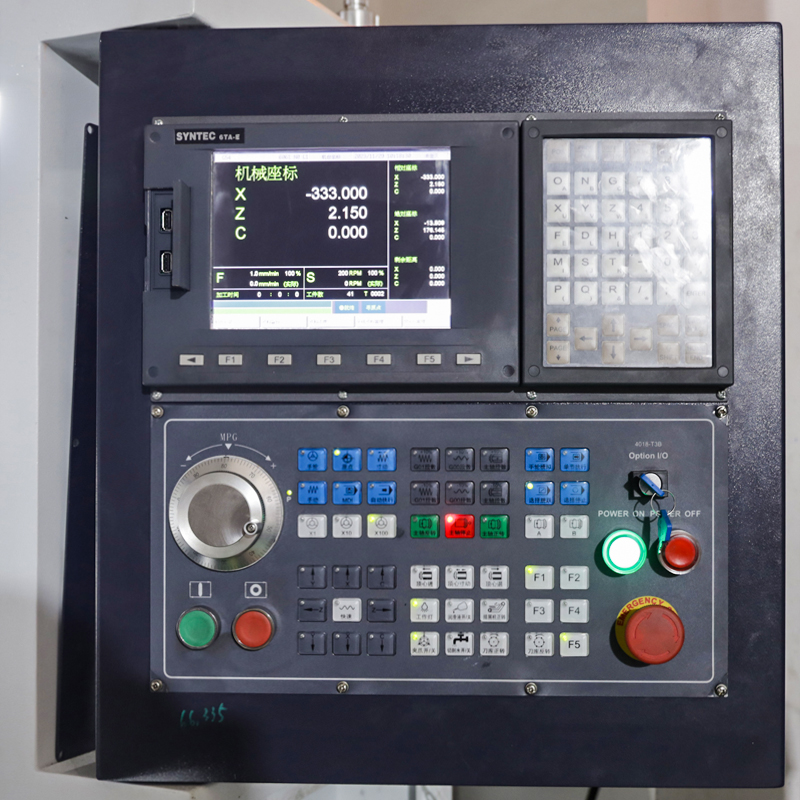
Deep technical look: Why the twin spindle lathe often underdelivers
I want to be direct: the twin spindle lathe delivers mechanical potential, but the system-level weaknesses bite operations. First, synchronization challenges between spindles and the turret indexer create dwell times that eat cycle savings. Second, axis backlash and spindle coupling imperfections force conservative feeds and speeds. Third, integration with the shop’s CNC controller and tool management software is often left as an afterthought — and that shows up in scrap rates. Look, it’s simpler than you think: better control tuning and tooling strategy fix a large share of problems.
What technical gaps cause the most downtime?
The main culprits are predictable. Poor servo motor tuning leads to chatter and missed cuts. Encoders with marginal resolution amplify axis backlash effects. And when the tool turret isn’t optimized for simultaneous operations, tool change penalties multiply. I have observed that shops which invest a single week to profile spindle dynamics and rework the tool path save weeks of lost production later — funny how that works, right? These are not glamorous fixes, but they matter more than splashy specs.
Future outlook — case-based lessons and metrics for choosing the right double spindle machine
Looking ahead, I prefer practical examples over buzzwords. In one case, a mid-size shop replaced a legacy single-spindle line with a double spindle machine and focused first on process mapping rather than immediate cycle-time targets. They invested in spindle health monitoring, refined the tool library, and trained operators on synchronized run modes. Within three months they reduced secondary operations by 30% and cut manual inspection steps. These gains came from aligning software, servo tuning, and tooling — not just buying hardware.
What’s Next for shops considering upgrade?
My advice is simple and measurable. When you evaluate double-spindle options, score them on three metrics: 1) Synchronization capability — how well the controller manages dual-spindle timing; 2) Integration ease — the quality of interfaces for tool management and the CNC controller; 3) Serviceability — access to spindle and turret components and diagnostic data. These metrics predict real-world performance better than peak spindle speed or marketing cycle-time claims. Also — and yes, I mean this — check the vendor’s training plan. A machine without operator and maintenance buy-in will underperform.
In closing, I believe the path to reliable gains is clear: focus on system harmony. Tune spindles, fix axis backlash, align software, and invest a little time in operator practice. Do that and the promise of double-spindle throughput becomes reality. For pragmatic support and configured solutions, consider resources from Leichman.