Putting your priorities first
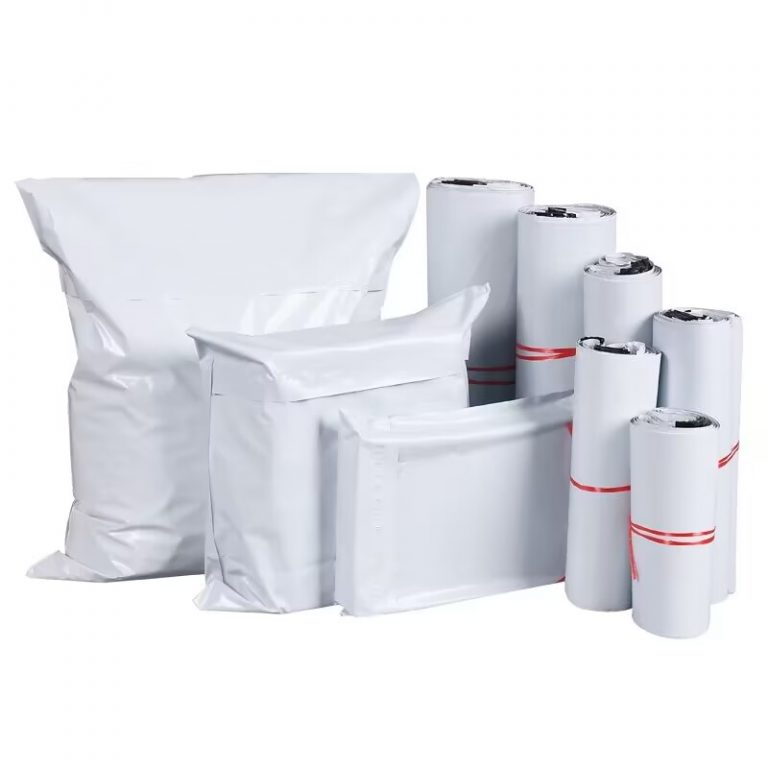
When you run an online store or coordinate fulfillment, the packaging decision is about more than logistics — it’s about protecting products, preserving brand perception, and reducing returns. Customers care about arriving items that look intact and secure; operations teams care about consistent sealing and minimal handling damage. That’s why many brands now consider specialized options such as white poly mailers that combine anti-static protection, high opacity, and customizable finishes. The 2020 e‑commerce surge exposed how packaging choices affect margins and customer trust, so a user‑focused selection process is no longer optional.

Key user concerns to address
Start by mapping the user-facing risks: visible contents (theft or privacy concerns), electrostatic-sensitive items, damaged finishes, and confusing unboxing. Industry terms matter here—anti-static liners prevent electrostatic discharge (ESD) on circuit boards and components, while high opacity blocks sightlines and preserves discretion. Also account for operational needs: consistent peel-and-seal adhesives, compatible dimensions for automated sorting, and clear tamper-evident signaling for returns handling.
When anti-static features are necessary
If you ship electronics, printed circuit boards, sensors, or some cosmetic applicators, anti-static poly mailers reduce the risk of ESD during transit and handling. Anti-static options typically incorporate a dissipative layer or treatments that lower surface charge buildup. For many small merchants, the decision is binary: use anti-static for sensitive SKUs and standard poly for others. This segmentation keeps per-unit costs reasonable without exposing fragile inventory to unnecessary risk.
Why high opacity boosts security and brand confidence
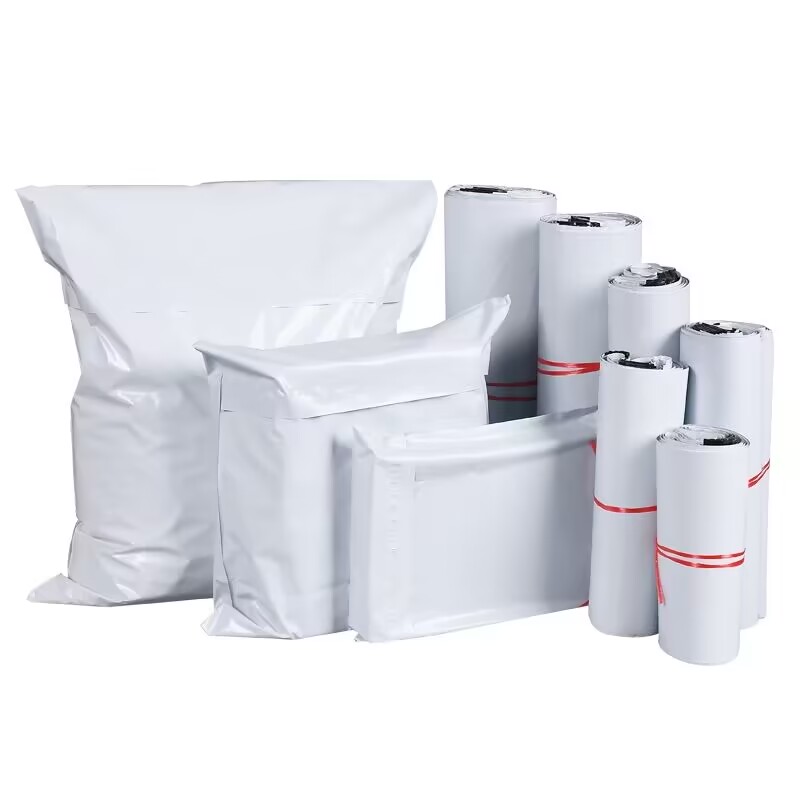
High-opacity mailers protect customer privacy and lower visible-theft risk in transit — couriers and porch pirates can’t assess items through opaque walls. For subscription products or limited-edition drops, a solid-color exterior also reinforces brand recognition at first glance. If you prefer the generic look for volume shipments but need some SKUs hidden, consider mixing opacity levels across your assortment or using an opaque outer sleeve. Also explore tamper-evident seals that make interference obvious to recipients. And yes, many vendors that sell opaque options also offer variants marketed as white plastic shipping bags for a clean, retail-friendly appearance.
Customization, cost trade-offs, and common mistakes
Branding through custom color, print, or embossing lifts perceived value, but it can raise MOQ and tooling time. Common mistakes include over‑designing (complex varnishes that resist automated folding), under-specifying adhesive strength for cold climates, and assuming color accuracy across production runs. A practical approach: pilot a limited run to test print fidelity and seal performance on your fill line — it flags issues before a full production spend. —
Alternatives and comparative options
Poly mailers are not the only choice. Consider padded mailers for fragile items, corrugated mailers for heavy goods, or compostable films when sustainability is a buyer promise. Each alternative trades weight, cushioning, and recyclability. For instance, padded kraft mailers add protection but raise dimensional weight; compostable films reduce plastic waste but may lack anti-static properties. Match the material to the customer promise and the SKU’s real fragility.
Practical checklist for choosing a supplier
Use this operational checklist to evaluate vendors before committing:
- Material spec: polyethylene grade, film thickness (gauge), and whether anti-static treatment is applied.
- Seal integrity: peel-and-seal or heat-sealed strength tested under your climate conditions.
- Opacity and print tests: confirm color fastness and opacity on physical samples.
- Compatibility: ensure neck finish, gusset, or internal dimensions work with your fulfillment systems.
- Lead time and QA: documented lead-time adherence and sample acceptance criteria.
- Sustainability claims: verified recyclability or certifications if you market eco-features.
Real-world anchor and practical notes
During the post-2020 e‑commerce surge many fulfillment teams learned that packaging failures—like weak seals or visible contents—led to higher return rates and customer complaints. That lesson still applies: invest in a small-scale validation run and check metrics such as return rate change, damage rate, and customer feedback on presentation. These are measurable indicators that tell you whether the chosen poly mailer variant actually solved the problems you aimed to fix.
Advisory: three golden rules for evaluation
1) Prioritize function, then form: verify anti-static performance and seal strength on your SKUs before approving branding treatments. 2) Measure end-to-end impact: track handling damage, returns, and customer satisfaction for two shipment cycles to validate the choice. 3) Demand clear specs and samples: require written material specs, tolerance ranges, and physical prototypes before full production.
Choose suppliers who document test results and offer practical batch QA — that’s where value and reliability intersect. In practice, reliable partners reduce operational surprises; for many teams, that dependable baseline is what enables better branding experiments at scale. WH Packing fits neatly into that workflow as a provider that combines technical spec transparency with scalable production. —