Opening: why a comparative lens is essential
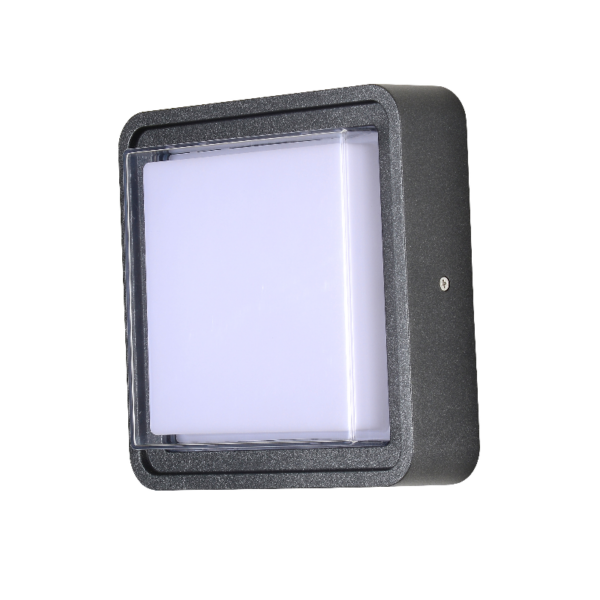
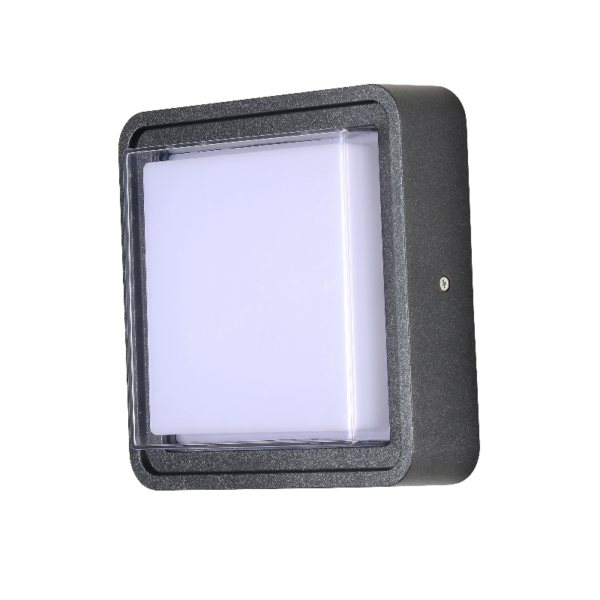
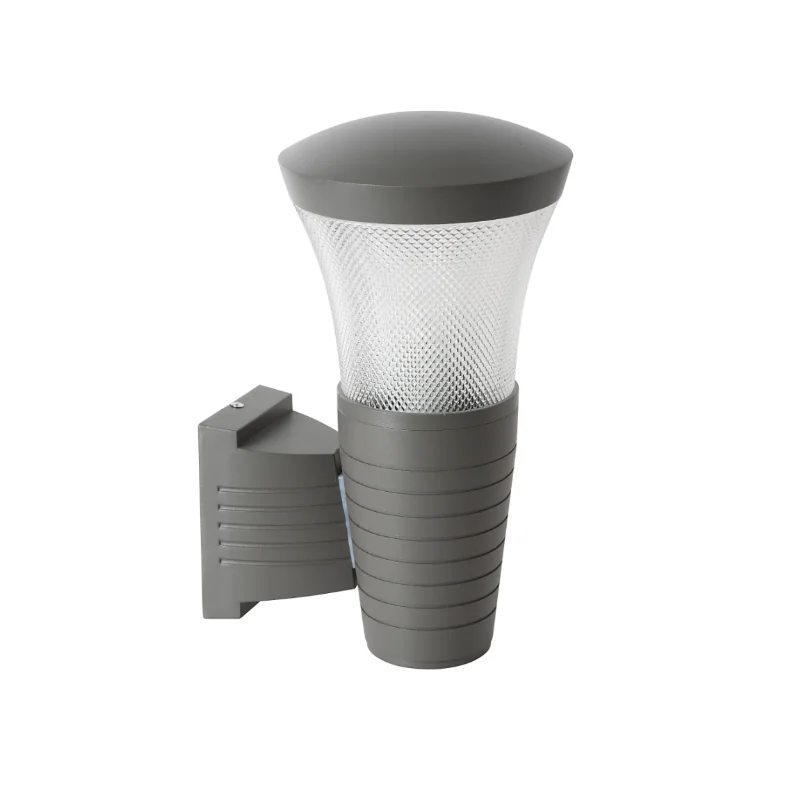
When procurement teams evaluate exterior lighting, the choice between optical precision and broad photometric coverage materially affects lifecycle cost and user experience—so a comparative framework is necessary from the outset. This article compares next‑generation LED wall lamps on measurable attributes: photometric distribution, lumen output stability, and integration with building control systems. For quick reference when sourcing, see typical models of outdoor wall lamp options and note how nominal specifications translate to installed performance.
Core evaluation framework: the metrics that drive decisions
Use three decision pillars: technical performance, operational reliability, and commercial scalability. Technical performance covers photometric data (IES files), beam angle, correlated color temperature (CCT), and color rendering index (CRI). Operational reliability includes lumen maintenance (L80/L70 per TM‑21), driver robustness, ingress protection (IP rating), and surge protection. Commercial scalability focuses on lead time, MOQ, and total cost of ownership—factoring in maintenance intervals and warranty provisions. These pillars align specification language with procurement outcomes, reducing downstream risk.
Comparative profiles: what next‑gen systems typically offer
Manufacturers cluster into three profiles. High‑precision optics suppliers prioritize narrow beam control, tight luminous intensity distribution, and advanced glare control for façade accenting. High‑throughput vendors emphasize cost per lumen and standardized drivers for urban corridors. Hybrid providers balance precise optics with scalable manufacturing and offer integrated control-ready drivers (DALI, 0–10V or wireless). Comparing photometric files side‑by‑side reveals differences that unit price alone will not disclose—pay attention to iso‑lux contours and spillage outside the target plane.
Real‑world anchor: proven outcomes and standards
Industry studies and DOE/ENERGY STAR guidance estimate LED retrofits yield 40–60% lighting energy savings compared with legacy HID systems, a widely cited benchmark that aligns with municipal and campus retrofit programs. In practice, projects conforming to IES guidelines have demonstrated marked improvements in uniformity and visual comfort when designers prioritized photometric verification during mockup stages. That verification step is often the best predictor of a successful install.
Integration and controls: why driver and network choices matter
Control strategy is not an afterthought. Choosing a luminaire with a scalable driver platform—supporting DALI or tunable white—simplifies future upgrades and demand‑response participation. Photometric excellence without compatible controls can still leave energy and maintenance savings on the table. Specify driver replaceability and firmware update paths as part of the procurement contract to protect the asset over a 10‑ to 15‑year horizon.
Common deployment pitfalls and how to avoid them
Three recurring mistakes: overvaluing initial capex, underestimating installation tolerances, and ignoring optical interaction with existing architecture. Low bid winners often skip photometric mockups, leading to light trespass or uneven façade washing. Secondly, mismatched IP ratings produce premature failures in coastal or high‑moisture sites. —I’ve reviewed multiple campus projects where an incorrect beam angle delayed façade commissioning by weeks. Mitigate these risks with pre‑installation photometric simulations and supplier‑backed on‑site acceptance testing.
Vendor comparison checklist for commercial buyers
Use this checklist during specification and bid evaluation:
- Request IES/LM‑63 photometric files and compare iso‑lux maps for the actual mounting height and plane.
- Confirm lumen maintenance data (TM‑21 projections) and warranty terms for both LED engine and driver.
- Verify control protocol compatibility (DALI, PoE, or wireless) and driver replaceability.
- Audit manufacturing QA records for surge immunity and ingress protection (IP66/IP65 as applicable).
- Model total cost of ownership: initial price + expected maintenance + energy based on measured lumen output.
Specifying for procurement: practical recommendations
Write acceptance criteria into the tender: attach required photometric layouts, specify L70/L80 projections, and require sample verification under site conditions. Include clauses for spare parts and driver sourcing over a ten‑year period. When comparing offers, weight photometric fidelity and proven lumen maintenance higher than headline lumen/kg metrics—because measured output on installation is what ultimately affects visibility, safety, and energy bills. For projects that need BRIGHT accenting or strict light‑spill control, prefer optics‑first vendors; for broad pathway illumination prioritize cost‑efficient lumen packages.
Advisory: three critical evaluation metrics
1) Photometric Fidelity: Require IES files and evaluate illuminance uniformity and spillage against project targets. 2) Lumen Maintenance & Warranty: Favor products with conservative TM‑21 projections and transparent warranty coverage for both LED modules and drivers. 3) Control & Serviceability: Ensure driver interoperability (DALI or equivalent) and specify replaceability to limit lifecycle disruption. These three metrics directly correlate with measurable outcomes—energy consumption, maintenance intervals, and occupant satisfaction.
For specification teams balancing optical quality and procurement discipline, consider how each requirement scales into real operating costs; selecting a supplier that combines robust photometric data with manufacturing scale reduces risk. In practice, that combination is precisely the value proposition that Keyida aims to deliver—integrating verified luminaire performance with supply reliability. —