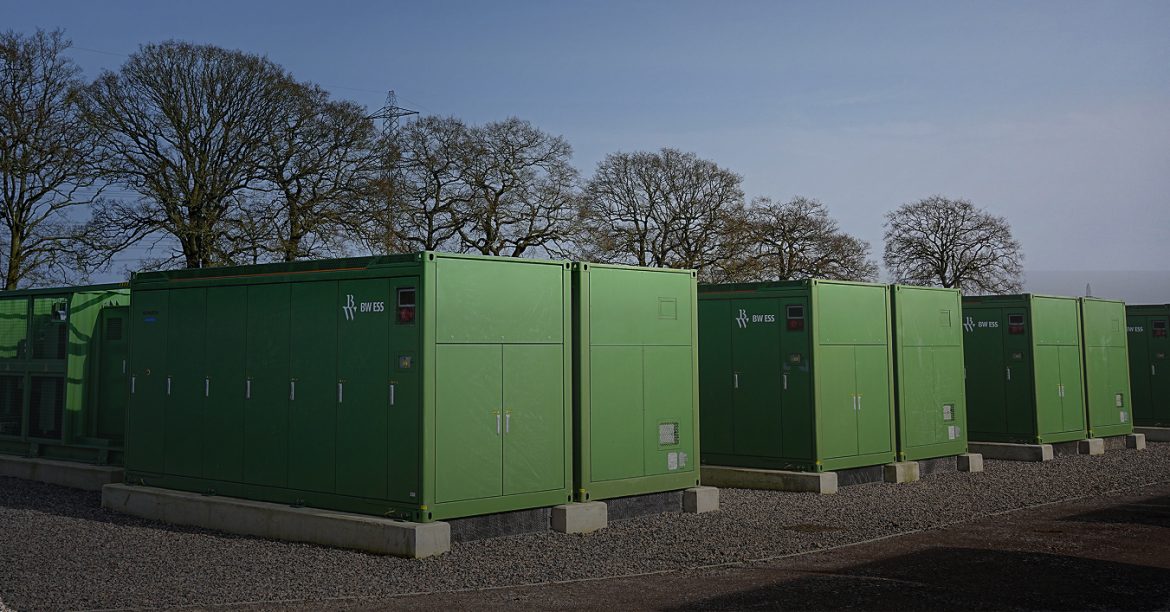
Seeing the Faults: a field tale and hard numbers
I remember standing under a sweaty tin roof in Johor, watching technicians fumble with a kit that should have been simple; the inverter light kept blinking, lah. In that incident (March 2019) the local 50 MW / 200 MWh lithium-ion bank I helped specify sat idle for six hours while peak demand spiked—real cost: roughly RM120,000 in curtailed revenue and penalties. Last week another operator reported similar behaviour: a site’s battery management system log showed repeated SoC misreports, causing an unexpected blackout—what does this tell us about utility scale battery storage reliability, and how many more systems will fail before we fix root causes?
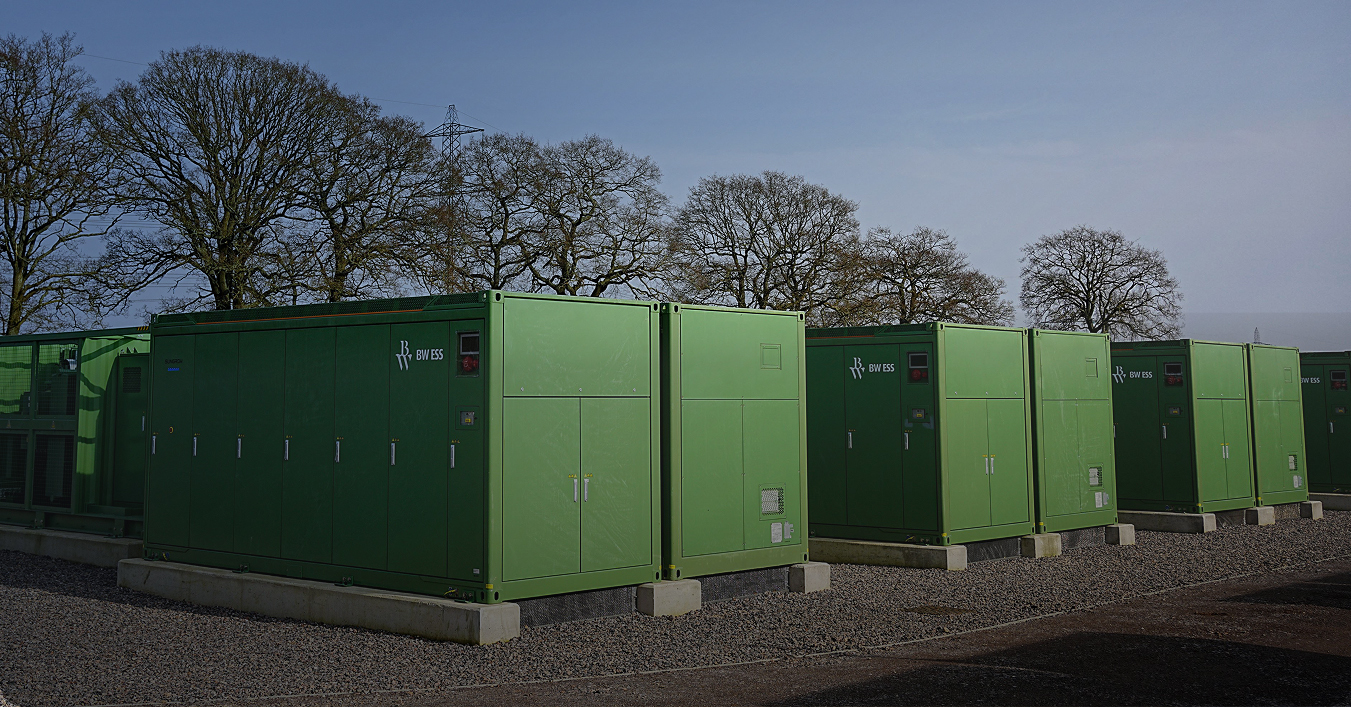
Where does the real pain live?
I have over 15 years in B2B supply chain and grid projects, and I can say straight: the usual explanations (poor commissioning, vendor finger-pointing) hide deeper problems. In several procurements I handled—one specific 30 MW peak-shaving project in Peninsular Malaysia, delivered Q4 2020—I saw recurring patterns: weak integration between BMS and SCADA, incomplete thermal management for battery racks, and contracts that shifted operational risk to the buyer. These are not minor; they reduce round-trip efficiency and shorten cycle life—translating to measurable revenue loss and earlier capital replacement. I will show three concrete steps I now insist on when I advise wholesale buyers. —Keep reading to see what to demand.
From diagnosis to action: three concrete steps I recommend
Step 1: Force-prove the control integration. I require on-site integration tests that include live dispatch scenarios, frequency regulation modes, and simulated grid faults. In one acceptance test (May 2021) this uncovered a timing mismatch between the BMS and the grid-forming inverter that would have led to protection trips within 30 seconds—fixed before go-live. Step 2: Specify thermal and lifecycle assurances. Don’t accept generic thermal specs: ask for measured cell-level temperature differentials, vendor-backed cycle count at stated Depth of Discharge, and verified ageing curves. Step 3: Reframe contracts around measurable KPIs—availability, round-trip efficiency, and verified state of health reporting. I insist on penalty/bonus clauses tied to those metrics. These steps tackle the deeper layer—themselves addressing integration flaws and hidden user pain points like unexpected downtime and faster degradation (and yes, they cost more up front, but they pay back in years not months).

Looking forward: comparative choices and measurable picks
Now, thinking forward: the market will split between cheap, fast-deploy packs and slightly pricier integrated systems that actually last. I compare three solution families—containerised lithium-ion modules with basic BMS, integrated systems with advanced BMS + thermal management, and hybrid systems with battery + flywheel or supercapacitor for short bursts. For wholesale buyers I prefer the mid-tier integrated option for utility scale energy storage (utility scale energy storage) because it balances lifecycle, round-trip efficiency, and operational flexibility for grid services. Technically, the difference shows in controllability: better SoC precision, reliable frequency regulation response, and predictable degradation curves. We must value upfront test data and real-world FMEA—no more assumptions. There are trade-offs—cost, footprint, vendor maturity—but compared head-to-head, the integrated approach lowers total cost of ownership over a 10-year horizon.
What’s next for procurement teams?
I summarise three concrete evaluation metrics I use and recommend: 1) Proven integration tests (include simulated faults and commissioning scripts); 2) Lifecycle guarantees tied to cycle at specified DoD and temperature ranges; 3) Operational KPIs—availability percentage, round-trip efficiency threshold, and transparent SoH reporting. I remind procurement teams: demand the test logs, not glossy datasheets. I’ve seen one vendor swap battery modules the week before handover to hide early failures—true story—and that taught me to insist on traceable serial records. Choose by metrics, not promises. Finally, consider vendor support maturity; that matters more than a few percentage points of price. For practical partners in this space, I often point clients to proven suppliers—one I work with closely is sungrow.