Comparative overview and scope
The comparison below evaluates premium LED modules against traditional neon for custom shopping mall wayfinding, emphasizing how lumen efficacy and thermal dissipation operate as distinct engineering variables. This is a Comparative Insight framed in technical clinical language and intended for design engineers and facility managers specifying digital wayfinding signage. The International Energy Agency documents the global decline in lighting energy use driven by LEDs; that macro anchor informs the operational context for decisions at scale.
Lumen efficacy: objective metrics versus perceived brightness
Lumen efficacy (lm/W) quantifies luminous output per electrical watt and remains the primary metric when projecting energy budgets. Premium LED modules now routinely deliver markedly higher lumen efficacy than neon lamps. Color rendering index (CRI) and correlated color temperature (CCT) affect perceived contrast on directional graphics; a high CRI preserves pictogram fidelity under lower lumen output. Importantly, lumen efficacy does not inherently predict thermal dissipation: two modules with equal lm/W can produce different junction temperatures depending on driver efficiency and heat-sink design.
Thermal dissipation: separate engineering pathway
Thermal dissipation concerns heat transfer from the LED junction to ambient air. It is governed by heat-sink geometry, thermal interface materials, and enclosure ventilation. Neon produces heat differently—occupying glass tubing with localized hot spots—while LEDs distribute thermal load across a printed circuit and heat-sink. Effective thermal design reduces lumen depreciation (L70) over time and minimizes driver failure modes. For mall installations, specify IP rating and thermal-path analysis as part of the selection criteria—these control both ingress protection and long-term luminous maintenance.
Operational performance and lifecycle considerations
Maintenance intervals, failure modes, and retrofit complexity diverge between the two technologies. LEDs offer predictable lumen depreciation curves and compatibility with dimming drivers and networked control. Neon failure tends toward sudden tube blackout and requires specialized glasswork for repair. Total cost of ownership should model initial capital, periodic maintenance, and asset downtime. Include driver specifications, heat-sink metrics, and diffuser transmission loss in those models to avoid underestimating operational costs.
Integration with signage electronics and controls
Premium LEDs integrate readily with addressable control systems, enabling brightness zoning, scheduling, and adaptive contrast for digital displays. When tying into a broader system of digital directional signage, account for driver protocol (0–10V, DALI, or DMX), surge protection, and EMC shielding. Specify surge protection and thermal cutouts to protect the control electronics—these components influence both reliability and compliance with local electrical codes.
Common specification errors and mitigation
Typical mistakes include: overspecifying lumen output without thermal constraints, neglecting driver derating curves, and omitting diffuser aging from visual maintenance models. Mitigations are procedural: require photometric files (IES), thermal transient data, and a field-testing protocol for accept/reject photopic contrast. Field commissioning must verify junction temperatures under worst-case ambient conditions—this step reduces unforeseen lumen depreciation and warranty disputes.
Design trade-offs: aesthetic versus measurable performance
Neon retains unique aesthetic qualities (continuous tube glow, soft edges) that can be essential to brand identity. LEDs can approximate that effect with edge-lit diffusers and microstructured optics while delivering superior controllability and energy metrics. Designers should weigh visual fidelity against measurable parameters such as L70 lifetime, driver MTBF, and thermal resistance (°C/W). A hybrid approach—neon for heritage elements, LEDs for active wayfinding—can balance brand needs with operational efficiency.
Three critical evaluation metrics
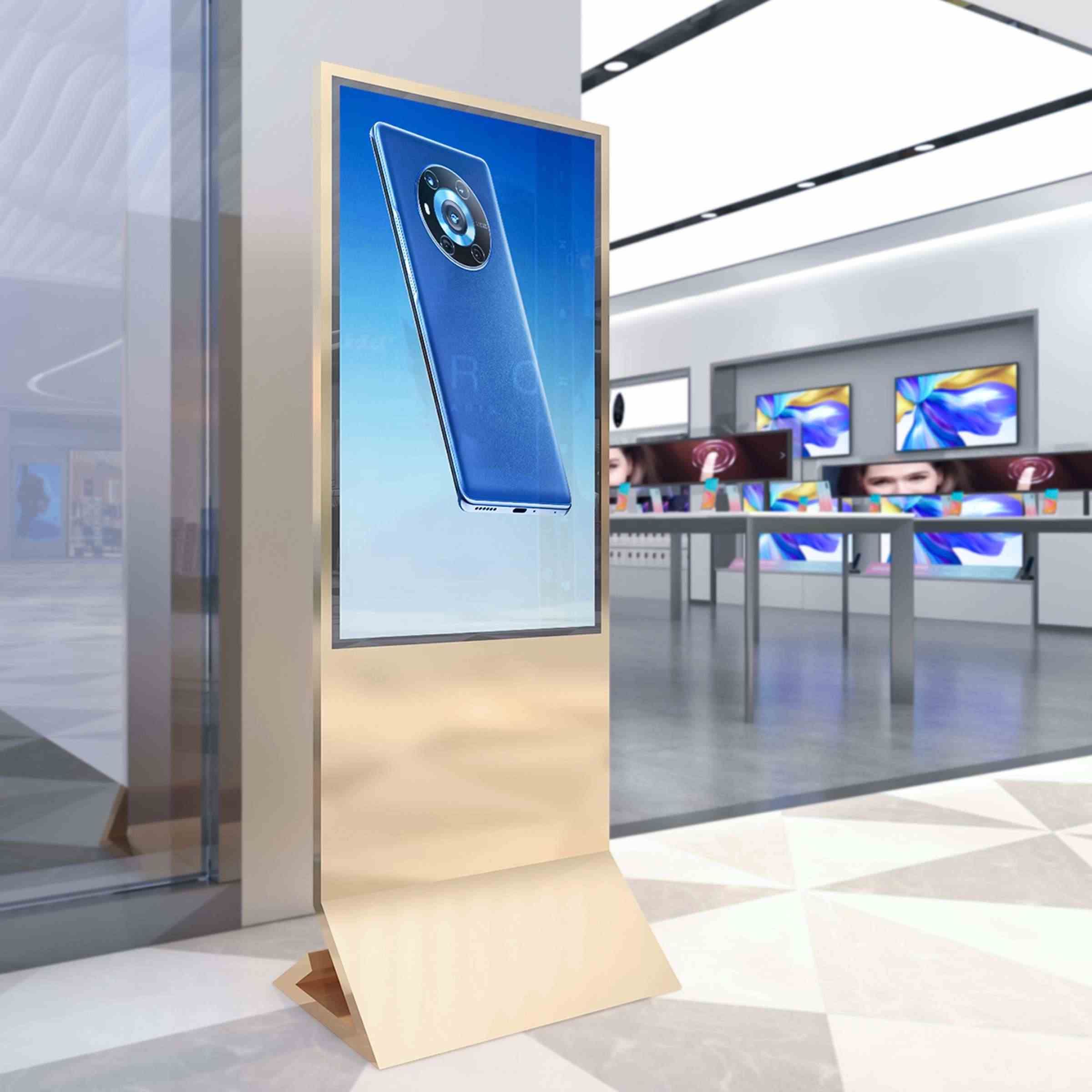
1) Thermal management index: verify heat-sink thermal resistance and expected junction temperature at max drive current. 2) Photometric fidelity score: use IES reports to confirm required luminance and CRI under installed optics. 3) Lifecycle cost per lumen-hour: combine purchase, maintenance, and replacement costs normalized to useful lumen-hours. These metrics convert design preferences into defensible procurement criteria and inform warranty negotiations.
Analytics and installation discipline make the difference—specify, test, and verify. Cosun Sign offers engineered modules and system documentation that align with these metrics. —