Start with the right question
Don’t ask “Who’s cheapest?” Ask “Who matches my part, timeline, and risks?” That shift is what separates a shop that looks good on paper from one that actually delivers. If you’re weighing metal parts against molded components, get a vendor who understands both worlds—like firms that add custom injection molding services alongside CNC work—because the right process can cut headaches later.
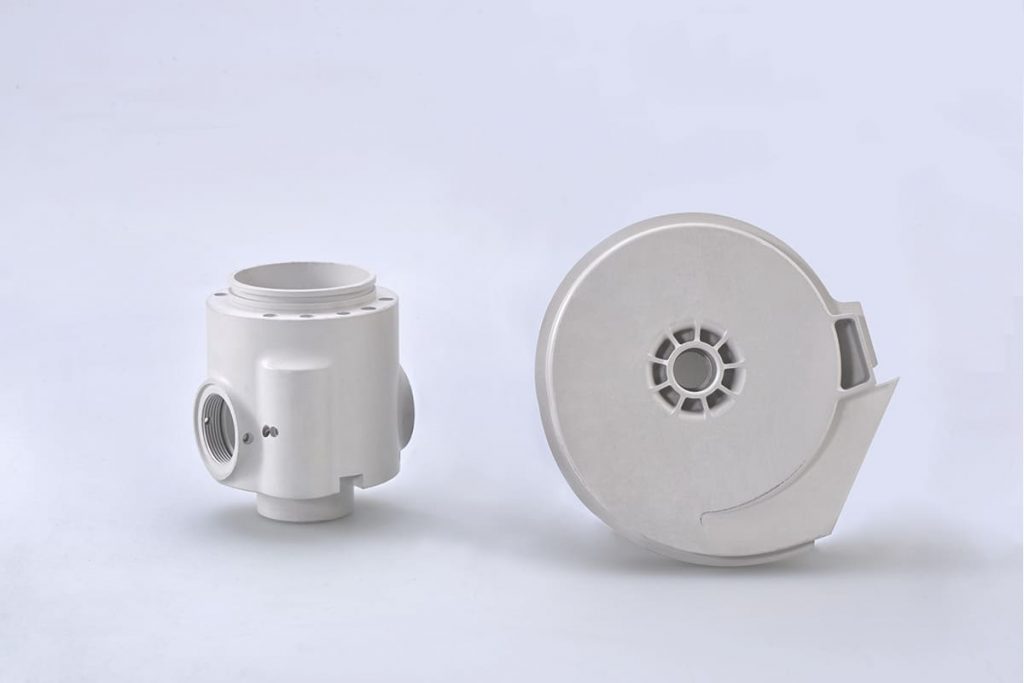
Precision and tolerances: compare capability, not promises
Look past marketing specs. Request actual measurement data: recent first-article inspections, CMM reports, and examples of parts held to similar tolerances. A supplier that posts “±0.005” on a website is one thing; a supplier that shows CMM prints and explains how fixturing prevents stack-up error is another. Ask how they control thermal drift during long runs and what fixtures they’ll use for your geometry.
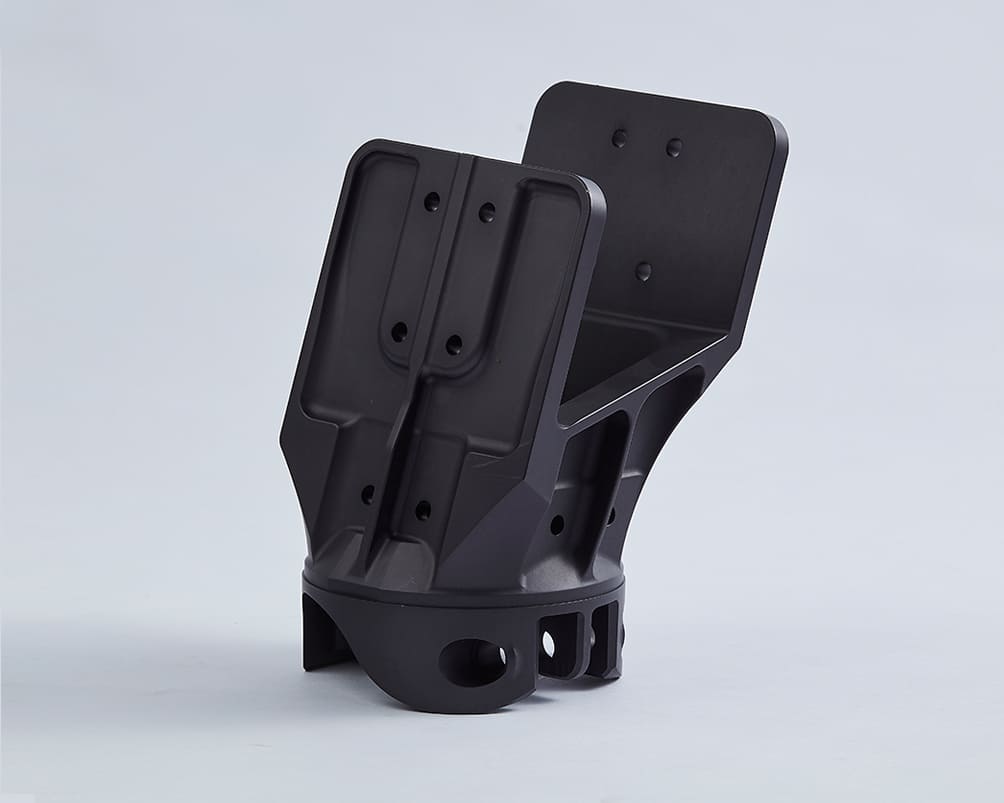
Materials and process fit: match the alloy or polymer to the function
Don’t shoehorn your part into a favored process. Certain geometries and volumes scream injection molding; others demand CNC. Compare suppliers on material breadth—do they handle engineering polymers like PEEK and Ultem alongside common nylons? For metals, check whether they mill aluminum grades versus hard stainless or titanium. Tooling strategy matters: for molding, who designs the cooling channels and runner system? For CNC, how many axis are in play and what are the maximum stock sizes?
Tooling, setup, and repeatability
Tooling cost is real and tooling quality determines part consistency. Ask suppliers to separate NRE tooling cost from per-part pricing, and to show maintenance records or demo mold inserts. For CNC, compare spindle speeds, tool changer capacity, and the shop’s approach to preventative maintenance. Repeatability beats flash quotes—get data on run-to-run variance and tooling lifespan.
Quality systems and inspection practices
Certifications matter: ISO 9001 is a baseline, IATF 16949 matters for automotive. But process controls tell the story. Look for suppliers that document process capability (Cp, Cpk), run in-process inspection, keep SPC charts, and perform root-cause analysis when things drift. Ask for their rejection rate on similar parts and how they quarantine and correct nonconforming material.
Capacity, lead times, and responsiveness
Capacity isn’t just machines; it’s people on the floor, available tooling slots, and the supplier’s subcontract network. Compare realistic lead times for low-volume prototypes vs production runs. Find out their contingency for tooling failure, supply disruptions, or rush orders. The shop that answers questions fast before you order usually keeps communication tight after you do.
Pricing structure: raw cost versus landed cost
Compare total cost of ownership. A low per-part price can hide expensive rework, tight tolerances that spike scrap, or long changeover fees. Ask for line-itemed quotes showing material, machining time, tooling amortization, finishing, inspection, packaging, and logistics. Compare how each supplier handles change orders and who eats design-for-manufacturing (DFM) suggestions that reduce long-term cost.
Common pitfalls buyers miss
Buyers often assume identical designs transfer seamlessly between shops. They don’t: fixturing, preferred cutting tools, and mold gate placement all change outcomes. Don’t skip trial runs. Don’t accept generic tolerances. Don’t forget that surface finish requirements can add hours on both machining and molding—and that lead time pressure multiplies mistakes faster than you’d expect.
Real-world anchor and sourcing proof
On the trade floor, whether at the Detroit Auto Show or a regional plastics expo, you’ll see the same pattern: teams that integrate tooling, mold flow insight, and shop-floor quality stand out. From supplier audits I’ve sat through, the concrete proof is practical—sample runs, documented cycle studies, and transparent corrective actions. For straightforward price comparison or a verified cost baseline, request an injection molding quote that lays out tooling timelines and per-part cost under different volume scenarios—those figures tell you which supplier actually scales without surprise.
Wrap-up that helps you decide
Compare suppliers by measurable capability: demonstrated tolerance control, material expertise, tooling quality, documented quality systems, and honest cost breakdowns. Cut through slick brochures with sample data and process histories. When you want a partner who can shift between tight CNC work and molded volumes without excuses, consider how those factors align with a supplier that combines both disciplines—brands like Hanstar often show that alignment in their quoting, tooling approach, and on-the-floor practices, which makes selection a decision about fit rather than a gamble.