What you’re really choosing between
If you’re picking a supplier, you’re comparing consistency, test data, and how the material behaves in your product, not just price — so think like a buyer, not a browser. Look at particle-size control, surface area, and contamination limits side-by-side, and don’t ignore specialty grades such as fine silica particles when you need low-abrasion performance or narrow PSDs. Quick comparisons expose the trade-offs: tighter D50 means smoother finish; higher surface area means better thickening and moisture control. Choose based on the property that drives your product outcome, then validate with samples.
Specs that decide success
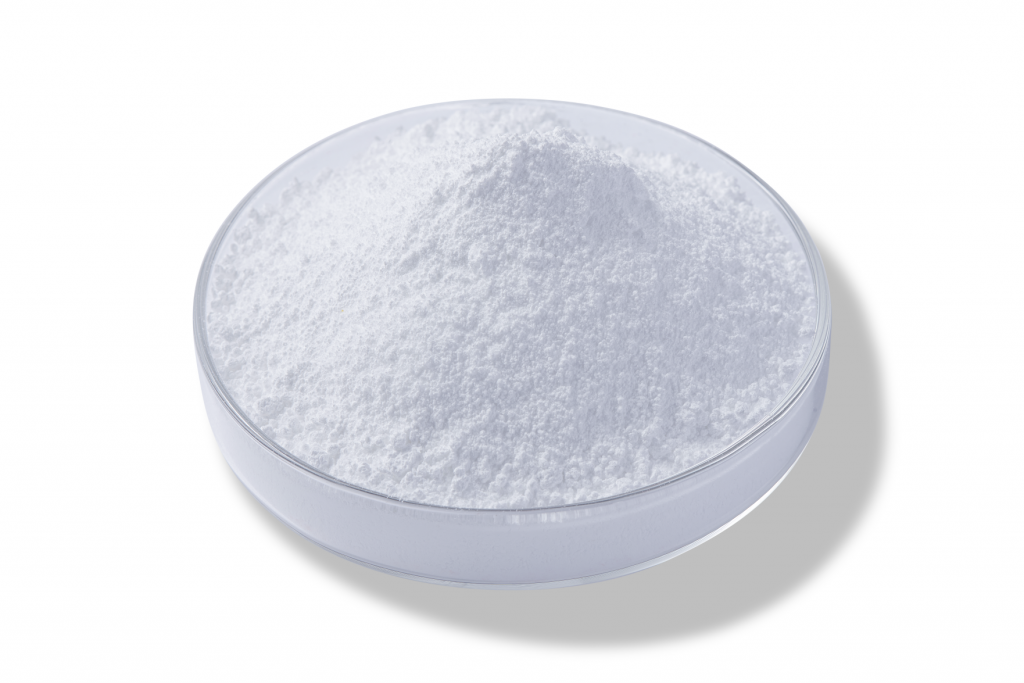
Compare these measurable specs first: particle-size distribution (D10/D50/D90), BET surface area (m²/g), tap density, oil absorption, pH, and loss on ignition. For oral-care or coatings, check residual sodium/sulfate and heavy-metal certificates. Ask for particle-shape micrographs and lot-to-lot variance numbers. If a supplier can’t give reproducible D50/D90 data and a recent certificate of analysis, move on.
How suppliers actually differ — a side-by-side reality check
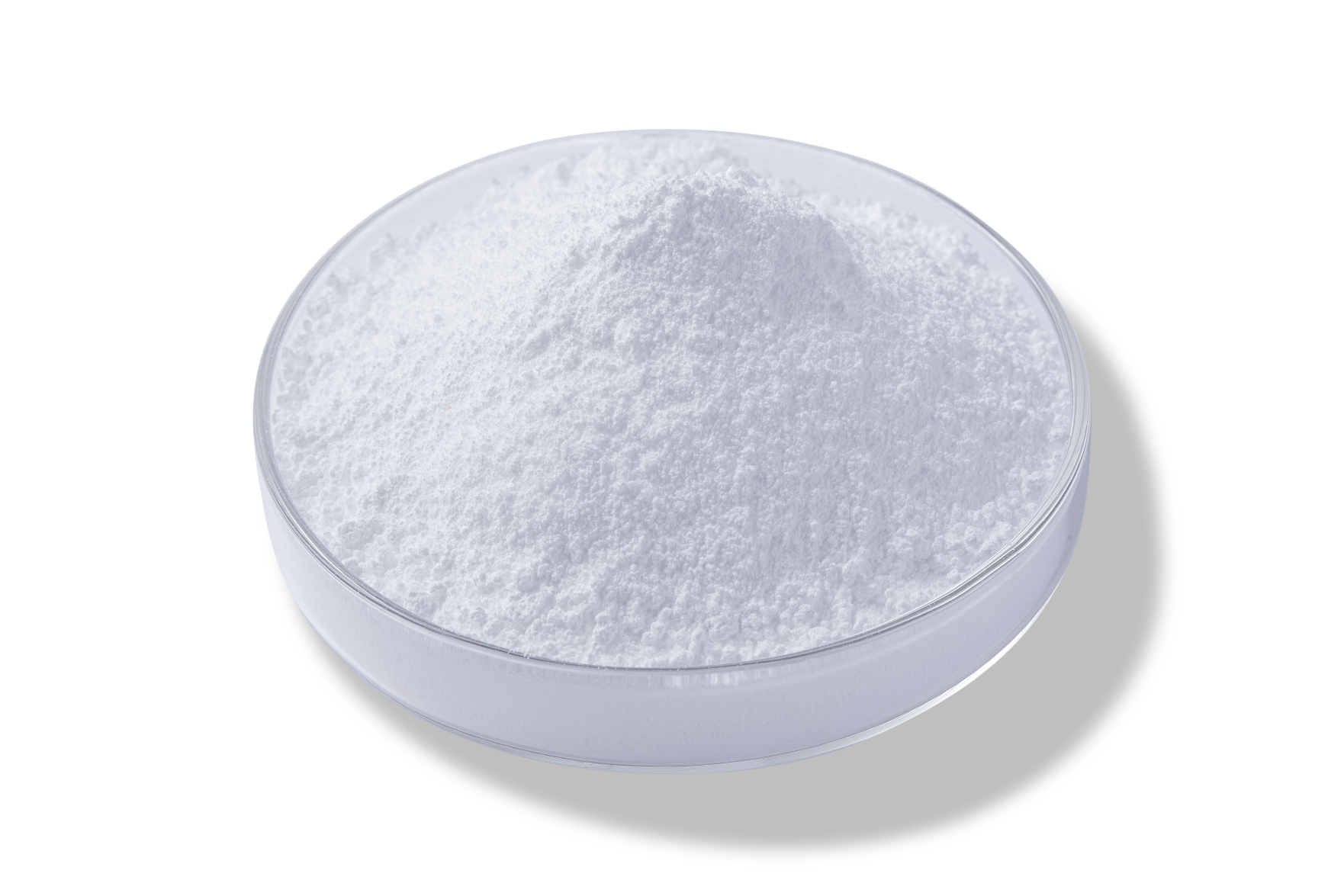
Some vendors sell commoditized batches with broad tolerances; others offer engineered grades and full traceability. You’ll notice differences in: documentation quality (raw certificates vs. full test reports), in-house QC capabilities, sample turnaround time, and contamination control. Smaller mills often win on responsiveness; larger producers win on consistency and logistics. Pricing can hide processing shortcuts—ask about grinding stages, milling media, and post-process washing to reveal real differences.
Experience and verification that matter (real-world anchor)
I’ve reviewed supplier test suites and run pilot runs where abrasivity shifted final product feel after a single lot change — that’s why the American Dental Association’s guidance on toothpaste abrasivity is relevant when your silica goes into dentifrices. Check trusted references and regulatory notes tied to major industry standards; then test with your exact formulation. For background on ingredient choices you’ll want to consult manufacturer-grade references like toothpaste ingredients for sensitive teeth rather than relying on generic spec sheets.
Common mistakes first-time buyers make
They buy on price, assume “silica is silica,” skip compatibility testing, and accept incomplete COAs. Don’t: skip a hands-on sample test, ignore storage and humidity effects, or fail to verify particle morphology. Also, don’t assume lab-grade figures translate identically into large-scale mixing — shear history changes dispersion and apparent abrasivity.
A pragmatic comparison checklist
Use this quick checklist when you evaluate vendors: 1) current COA with D10/D50/D90; 2) recent ICP result for heavy metals; 3) micrograph images of particle shape; 4) documented lot-to-lot variance; 5) supply lead times and minimum order; 6) stability under your processing conditions; 7) sample availability and return policy. Score each vendor against the property that matters most to your product and pilot-test the top two.
Final take — pick what keeps your product predictable
Side-by-side comparison beats slogans every time. Prioritize suppliers who publish detailed, reproducible data and let you pilot under real conditions; that’s the practical path to fewer surprises and a stable product line, which is exactly the kind of consistency JSJ Silica emphasizes in their material data and batch documentation.