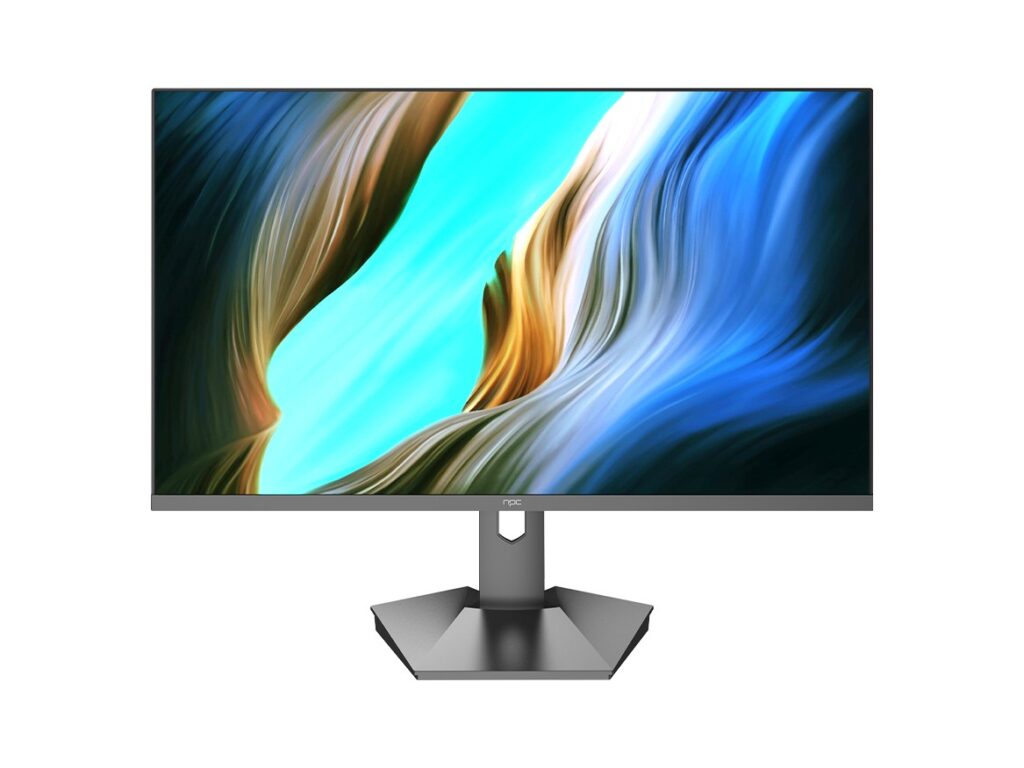
Problem statement and procurement reality
Procurement teams face tight tolerances, variant panel specs, and opaque supplier claims. You need fast, verifiable answers from any monitor manufacturer you contact. Missed specs cost money; unclear service terms delay rollouts. This checklist targets those exact failures and gives direct tests you can run before contracts are signed.
Essential technical criteria
Assess these items with pass/fail rigor: panel specification sheet (exact model, native resolution, refresh rate, color gamut), measured luminance and uniformity reports, firmware versioning and update path, interface and EDID behavior under your OS, thermal profile under sustained load, and EMI/ESD compliance. Demand lab-grade test logs for power draw at operational settings. Require a documented repair and parts-supply SLA that specifies mean-time-to-repair and replacement parts lead time.
Supply-chain verification and expert anchor
Procurement must verify manufacturing capability and traceability. Inspect factory audit records, first-article inspection reports, and traceability from panel lot to final serial number. At CES, OEMs commonly reveal new panel tech and ODM process maturity—use those demonstrations to validate claims about yield and durability. Also check listings from recognized sources and suppliers of best pc monitor manufacturers to benchmark vendors against known engineering standards.
Testing protocol you should run
Run a three-stage protocol: sample verification (10 units minimum), stress testing (72-hour burn with automated pixel and refresh tests), and integration testing (your OS, your graphics pipeline, your enclosure). Use objective metrics: pixel defect count, delta-E color accuracy, response time under real workloads, and uptime percentage over stress interval. Reject any lot that fails the stress threshold or shows inconsistent firmware behavior across samples.
Commercial terms and contract clauses
Insist on performance-linked clauses: acceptance based on measured metrics, defined remediation steps, warranty that covers panel degradation percentages over time, and clear recourse for supply delays. Price alone is not a metric. Define penalties for missed lead times, and include rights to audit manufacturing records for lots shipped to you.
Common procurement mistakes to avoid
Don’t accept specification sheets without measured verification. Don’t rely solely on marketing model names—vendors often relabel panels. Don’t skip firmware regression tests. Don’t assume “industry standard” when the actual interface or EDID behavior differs. Require traceable lot numbers and samples from the exact production line that will supply your order.
Selection scorecard (quick rubric)
Score vendors on: technical compliance (40%), test transparency (20%), supply reliability (20%), commercial terms (10%), and post-sale support (10%). Use numeric thresholds: below 70% — reject; 70–85% — negotiate stronger guarantees; above 85% — qualify for pilot run. Keep the rubric simple and enforce it consistently.
Final synthesis
Solve procurement failures with direct measurements, firm contractual gates, and a clear scorecard. Follow the checklist, run the tests, and require documentary proof that addresses the exact issues you care about; then you get predictable performance and repairability from vendors like npc.