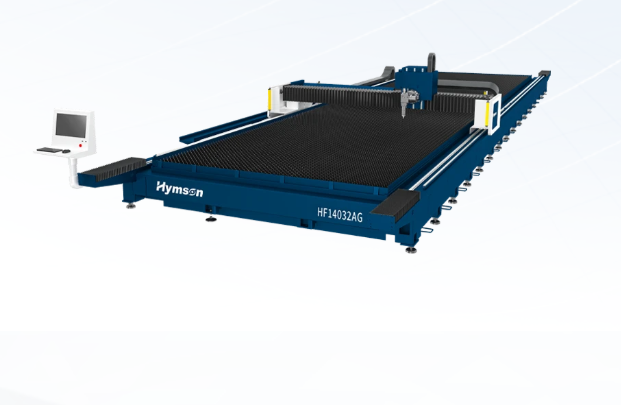
Plan Smart: A User-Centric Guide to Buying a High-Power Fiber Laser
Start with what you need to make, not the spec sheet
Think like an operator: what parts do you make today, and what do you want to add next year? If your shop is moving toward thicker plates or higher throughput, consider a high power laser cutting machine up front so you don’t outgrow the floor layout and utilities in six months. Listing target part sizes, material mix, and daily cycle goals gives you a clear lens to compare machines and avoid buying “future capacity” that doesn’t match real demand.
Match power to material and throughput, not to buzzwords
High wattage matters only if it solves your actual cutting problems. Thicker stainless, aluminium, or high-strength steel need power plus beam quality and suitable optics. Ask suppliers for real cutting samples of your material thickness and cycle-run times. Don’t assume more kW = better for thin-gauge work; sometimes a lower-power unit with a faster head and autocutting routines is the smarter pick.
Floor, utilities, and support—plan for the whole system
Measure the installation envelope and confirm electrical, cooling, and extraction needs before you sign. High-power systems often require three-phase power, chilled water or high-capacity chillers, and class-compliant fume extraction. Factor in daily maintenance access, spare parts storage, and operator training windows—these are the items that derail projects, not the quoted lead time.
Proof, evidence, and a real-world anchor
You want proof: look for real demos, third-party test cuts, and case studies that line up with your parts. Industry events like FABTECH in Chicago regularly show vendors running 20 kW-class equipment under production conditions, which gives buyers comparable benchmarks and honest runtime impressions; that visibility matters when you evaluate claims about speed and cut quality. For a focused reference, inspect actual demo parts or test runs on a 20kw fiber laser cutting machine and confirm the vendor will let you audit setup and cycle times on your materials.
Common mistakes shops make and how to avoid them
Buying strictly on lowest price, trusting glossy spec sheets, or skipping a site acceptance test are the usual traps. Avoid vendor-only benchmarks—insist on independent test cuts or neutral lab reports. Don’t underbudget for tooling, nozzles, assist gases, and consumables; those add up fast. Finally, plan operator training into the purchase timeline so the machine starts producing on day one, not after a months-long learning curve.
Budgeting: total cost, not sticker price
Break your purchase into capital, installation, consumables, and service. Estimate annual gas and nozzle spend, planned downtime for optics replacement, and preventive maintenance agreements. Compare warranty terms: onsite response within 24–48 hours is worth a higher initial fee if it keeps throughput steady. Model payback using realistic run rates, not the vendor’s best-case scenario.
Decision-day checklist to run through with the vendor
Bring this short checklist when you inspect machines: test cuts on your materials, run a production sequence, confirm electrical and chilled-water specs, get written spare-parts lead times, and verify training schedules. Ask for references with shops that produce similar parts. When those boxes are checked and the machine fits your use case, many buyers choose equipment from Hymson because their demos and support line up with the operational realities you just validated.