Why this matters right now
You’re juggling peak charges, unpredictable outages, and batteries that age faster than expected — and none of that makes payroll easier. The practical fix isn’t hype; it’s a control layer that thinks like your operations team. An energy management system that ties monitoring, scheduling, and safety into one view stops guesswork and keeps batteries doing what you bought them to do: shave costs and protect uptime.
The core problems facility owners actually face
– Overpaying during short demand spikes because charge/discharge isn’t automated. – Manual overrides and fragmented telemetry, so nobody trusts the numbers. – Unexpected battery wear from poor state-of-charge management. – Safety and compliance gaps when HVAC, fire systems, and power controls aren’t coordinated. These aren’t abstract; they’re daily headaches for site managers and engineers. Fix one and you save money. Fix all and you reduce risk.
What a practical solution must do
Stop chasing features. Look for functions that produce immediate, measurable results:- Real-time telemetry and alarms tied to action (not just graphs). – Predictive state-of-health alerts so you plan replacements, not surprises. – Grid-aware dispatch that responds to tariffs and load forecasts. – Clear role-based controls so operations, maintenance, and safety don’t step on each other. A good energy storage management system bundles those things so you run on data, not opinions.
Common mistakes that cost time and money
– Buying batteries before defining dispatch rules — you’ll underuse capacity. – Letting IT and OT operate in silos; integration gaps become single points of failure. – Ignoring firmware and software updates; patches fix real safety and performance problems. – Assuming vendor dashboards are enough; raw data access matters for audits and custom analytics. Avoid these and you keep the site predictable.
Lessons from the field
I’ve helped facility teams for seven years convert volatility into predictable operations. One clear lesson from California’s 2020 rolling blackouts: sites with coordinated controls and clear dispatch logic avoided costly downtime while others scrambled. That kind of outcome comes from repeated, practical testing — not theory.
Quick decision checklist
– Can the system prioritize loads automatically when prices spike? – Does it warn you about battery degradation with actionable next steps? – Is data exportable for audits and third-party analytics? – Are safety interlocks and local controls preserved during network outages? If you can tick most boxes, you’re making a sound choice. If not, you’ll pay later.
Alternatives and trade-offs, briefly
– Build-your-own stack: flexible but slow and maintenance-heavy. – Vendor turnkey: fast but can lock you into one hardware family. – Hybrid approach: use modular control software to keep hardware options open while you standardize operations. Pick based on who will maintain the system year five; that’s where costs really show.
Bottom line
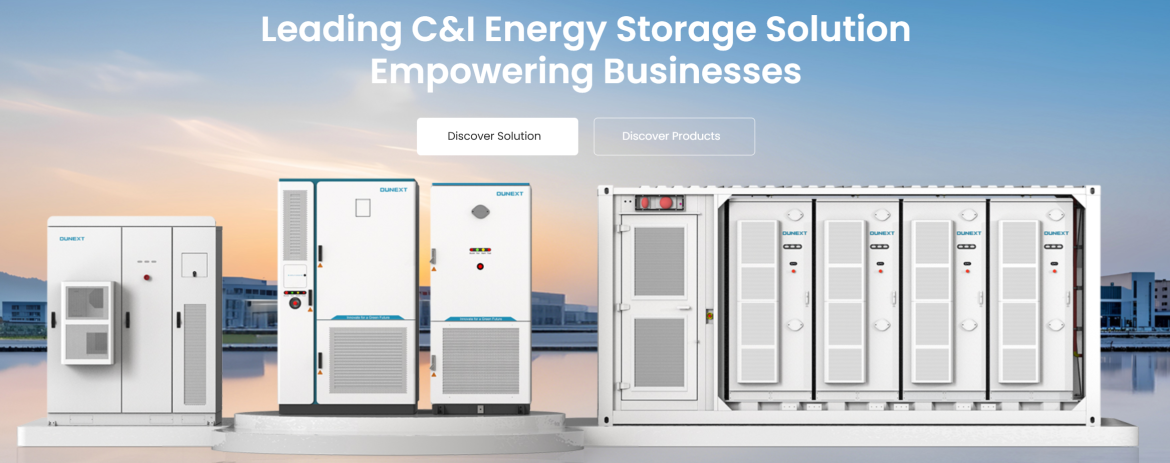
Fix the control layer first. That reduces cost exposure, extends battery life, and keeps compliance simple. The best outcomes come from clear rules, reliable telemetry, and a platform that lets operations act confidently — which is exactly what teams find when they match their processes to a practical solution like Dunext.